
Plan Your NC500 Road Trip
Planning the North Coast 500 (NC500) road trip can feel daunting at first. There’s a lot of information online, plenty of opinions, and no shortage of suggested itineraries – many of which try to cram far too much into too little time.
This page is here to simplify the process.
Rather than throwing you straight into a rigid day-by-day plan, we’ll walk through how to plan the NC500 properly – helping you make the key decisions that shape a great trip, avoid common mistakes, and choose the approach that suits you.
If you’re still deciding whether this route is right for you, start with our NC500 overview first. If you’re ready to plan, you’re in the right place.
How the NC500 Really Works
The North Coast 500 isn’t a road trip that rewards rushing. On paper, daily driving distances can look manageable – but in reality, road conditions, scenery, weather and unexpected stops all slow things down.
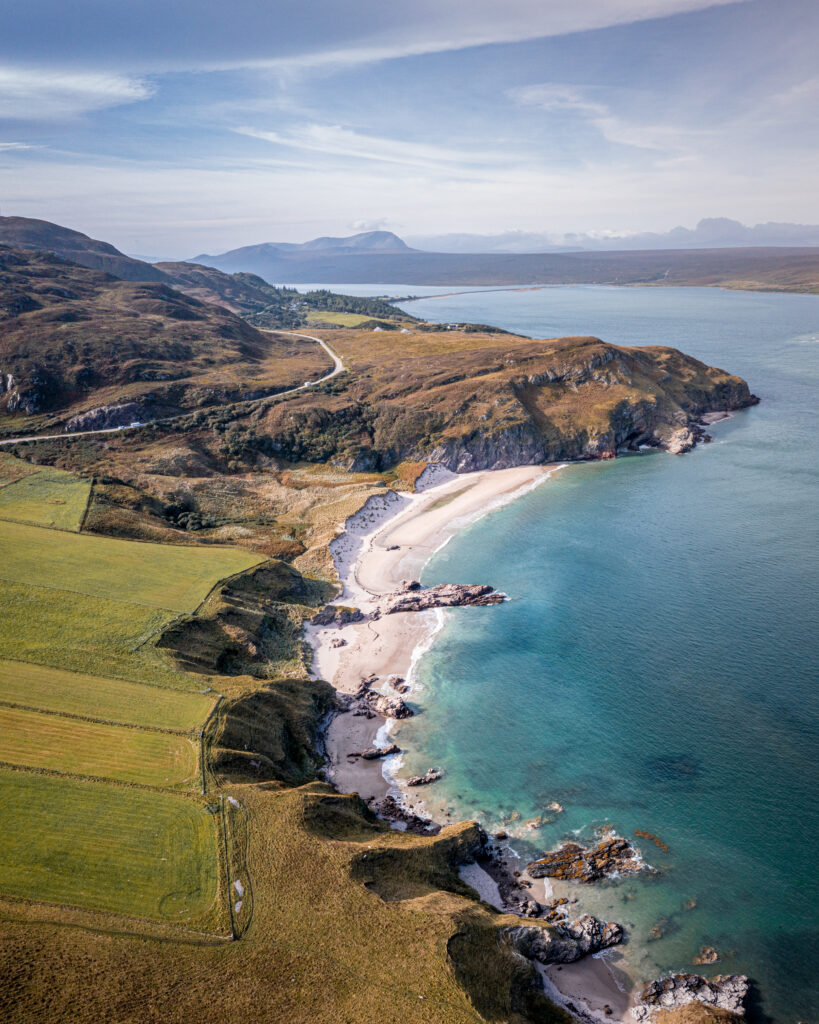
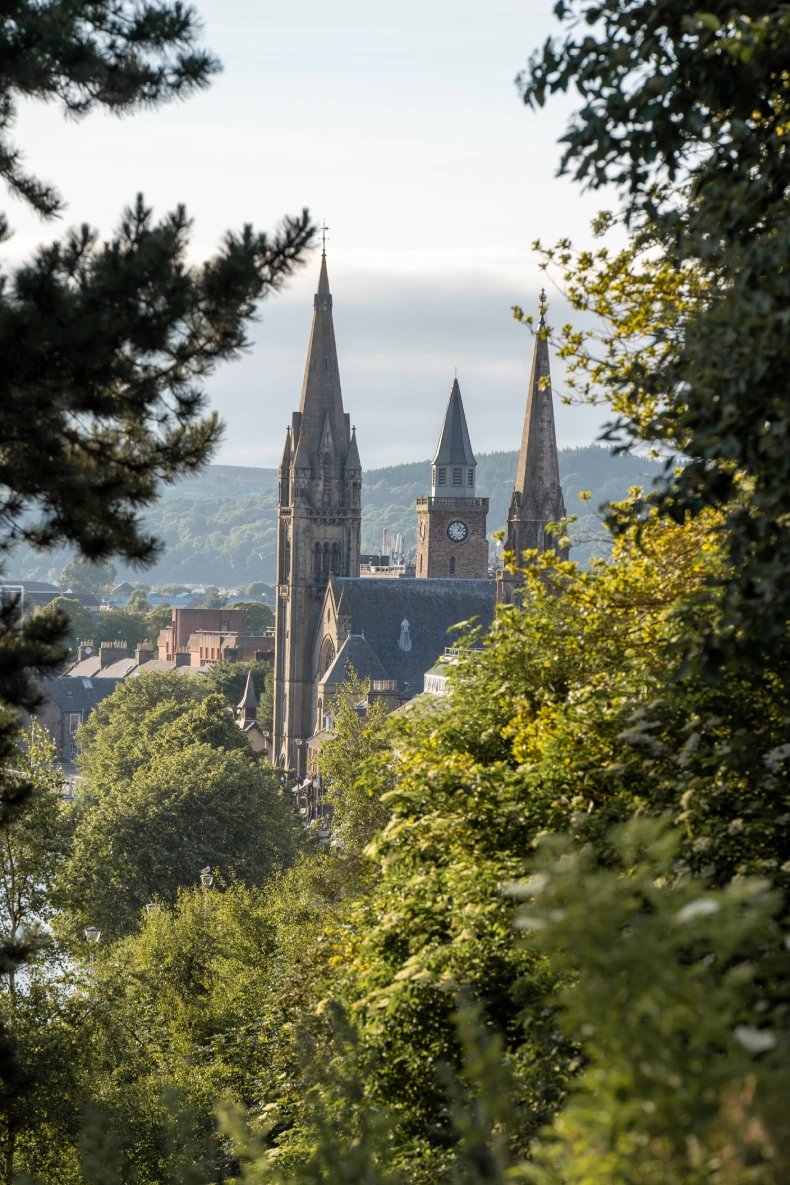
The NC500 is a 516-mile scenic route that loops around the northern Highlands of Scotland, starting and ending at Inverness Castle. Unlike the isolated islands, the NC500 involves long stretches of fast A-roads, as well as notorious single-track mountain passes (most famously the Bealach na Bà). The route’s immense popularity dictates much of the logistical planning!
Planning the NC500 well is less about creating a perfect itinerary and more about understanding:
How long you actually need
Where flexibility matters
What’s worth booking in advance
What’s better left open
Once you understand how the route flows, the rest becomes much easier.
Choosing the Right Itinerary
Once you understand the basics of the route, choosing an itinerary becomes much simpler.
Our itineraries are designed to:
Reflect realistic driving days
Incorporate flexibility
Suit different timeframes and travel styles
Rather than forcing you into a one-size-fits-all plan, they give you a solid structure you can adapt as you go.
How Long Should You Allow for the NC500?
One of the biggest planning decisions is how much time to give to the route.
As a general guide:
Fast Pace (5 Days)
- Goal: Complete the full 500-mile circuit, hitting world-famous stops like Bealach na Bà, John O’ Groats, and iconic West Coast beaches.
- Experience: High-mileage driving days with minimal time for extended walks or detours. Accommodation must be pre-booked and rigidly adhered to. Requires excellent weather for safe driving on single-track roads like the Bealach na Bà!
- Merit: Ideal for drivers focused on the route itself and spectacular viewpoints, prioritising the completion of the challenge. Best suited for high summer with long daylight hours.
Moderate Pace (7-10 Days)
- Goal: Comfortably complete the route, allowing for detours into less-visited areas and time for short hikes or castle visits.
- Experience: Allows for a slower approach to the West Coast (Applecross, Torridon) and time for boat trips or whisky distillery tours. Base yourself in strategic towns (e.g., Ullapool, Dornoch) for two nights each and explore.
- Merit: Offers a comprehensive view of the Highlands, balancing driving with local culture and activities – there is sufficient time to enjoy the scenery without feeling constantly rushed.
Slow Pace (14+ Days)
- Goal: Use the NC500 as a backbone for deep exploration of the surrounding regions (e.g., Wester Ross, Sutherland, Caithness).
- Experience: Very low mileage days, allowing for full-day hikes (e.g., Suilven, Stac Pollaidh), kayaking, or cycling. Ample time for poor weather days and exploring numerous hidden beaches, historical ruins, and specific museums.
- Merit: The ultimate way to experience the North Highlands’ geography and remote beauty. Allows for interaction with local communities and discovery of the route’s hidden gems far off the main road.
If there’s one piece of advice we give again and again, it’s this:
Slower travel almost always leads to a better experience!

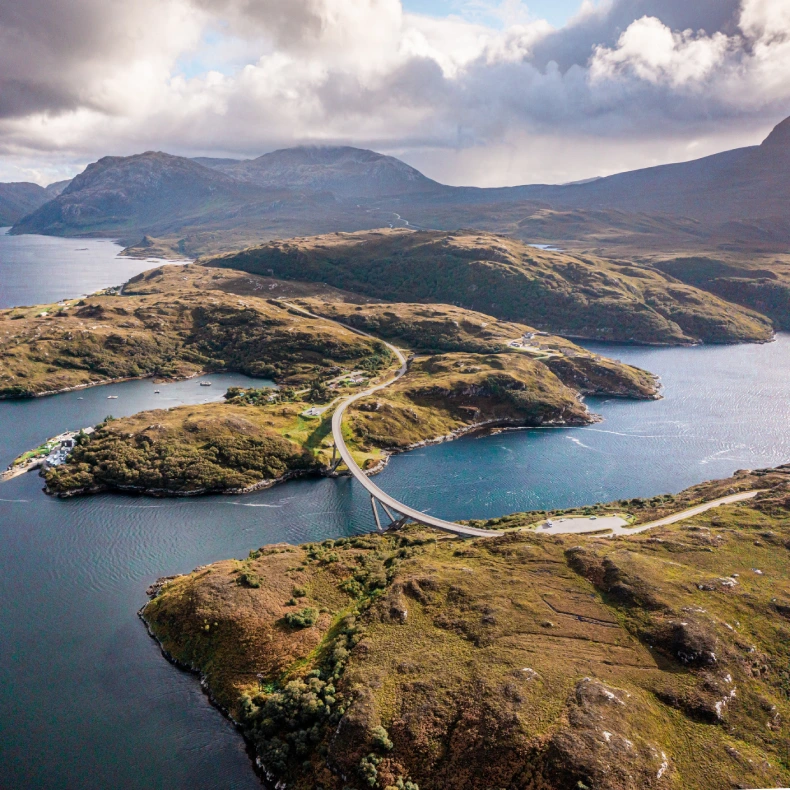
Choosing the Right Direction & Pace
Depending on the route, you may have options around:
Direction of travel
Starting point
Clockwise vs anti-clockwise flow
While there’s no single “correct” way to do the NC500, certain approaches work better depending on:
Traffic patterns
Ferry timings
Seasonal daylight
Your travel style
This is where a little planning up front can save a lot of frustration later!
Campervan or Car: What Works Best on the NC500?
The NC500 can be done in both a car and a campervan, but the experience differs.
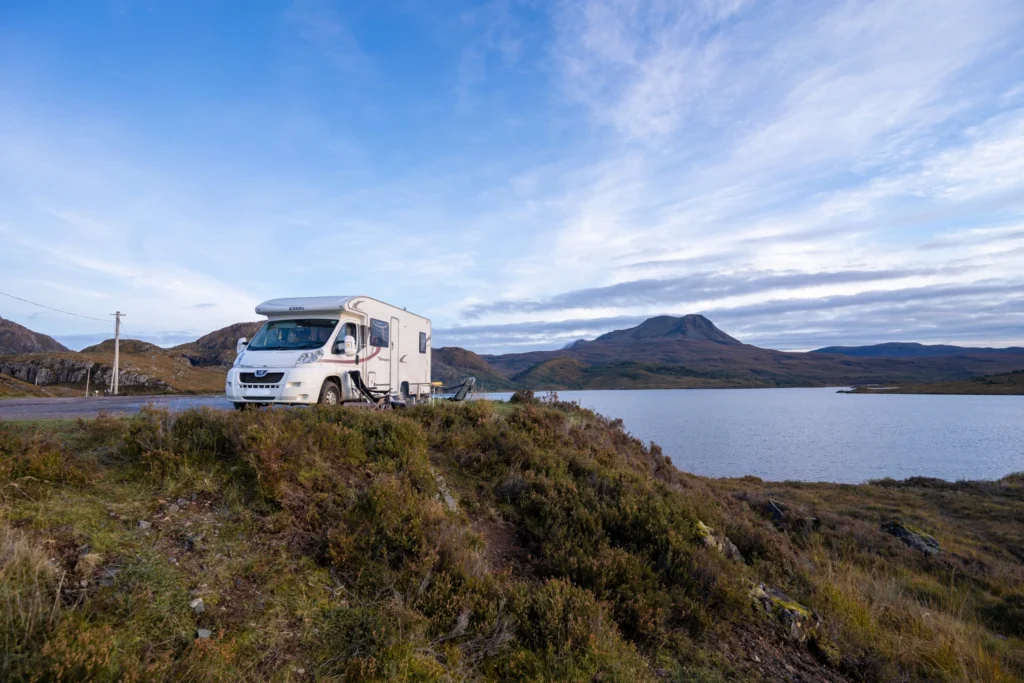
Travelling by Campervan
Campervan travel offers the freedom cherished on the NC500 but faces intense pressure due to the route’s high traffic volume. It will suit you if you value:
- Unmatched Flexibility: The ability to stop and explore remote beaches, villages, and viewpoints without being tethered to a fixed accommodation booking is the primary draw.
- Cost Efficiency: Significant savings are possible by self-catering and minimising reliance on the route’s relatively expensive and limited accommodation options.
- Preparedness: Your home-on-wheels provides a reliable retreat from the Highland weather’s changeability (rain, midges, wind).
However, it does require more awareness of:
- Parking and Congestion: Key attractions, lay-bys, and beauty spots are often overwhelmed by parked vehicles, with large RVs frequently blocking views or causing congestion.
- Road Suitability (Vehicle Size): While most of the NC500 is on A-roads, the single-track sections (such as Bealach na Bà) are ill-suited to large, long vehicles.
- Wild Camping Etiquette: Strict adherence to the Scottish Outdoor Access Code (SOAC) is crucial. Formal waste disposal points and campsites must be used regularly.
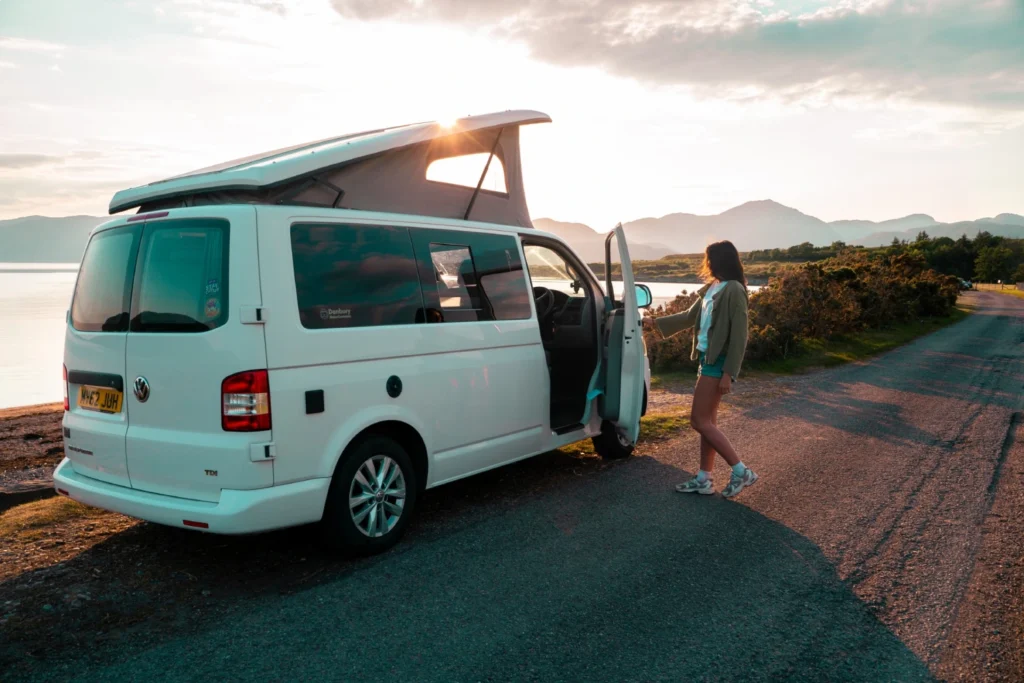
Travelling by Car/Motorcycle
Travelling by car offers:
- Agility/Speed: Easily navigates the single-track roads, handles overtaking manoeuvres more safely on A-roads, and allows for quicker transit between destinations. Parking at busy sites is significantly simpler.
- Accommodation Certainty: Guarantees a warm, dry base every night by utilising the range of hotels, B&Bs, and self-catering options found in towns like Ullapool, Durness, and Thurso.
- Motorcycle Thrill: The NC500 is world-renowned for its dramatic, sweeping roads and mountain passes, offering an unparalleled biking experience.
It does, however, reduce:
- Spontaneity: Accommodation must be pre-booked, especially in high season, meaning less flexibility to linger in one location or change the itinerary on a whim.
- Your Budget: Combining car rental and accommodation can quickly become more expensive than a self-contained campervan trip, especially when factoring in the increased need to dine out.
- Crowding/Availability: Restaurants and key services can be overwhelmed during peak times.
- Weather Exposure (Motorcycle): Long distances in unpredictable Highland weather demand high-quality protective gear for rain, mist, and sudden temperature drops.
What You Actually Need to Plan in Advance
You don’t need to book every night or activity before you leave. In fact, over-planning often makes trips more stressful.
What is worth thinking about early includes:
Overall trip length
Vehicle choice
Accommodation strategy during busier periods
Any must-do experiences
Everything else can usually stay flexible, especially if you’ve chosen a realistic pace!
Common Mistakes People Make on the NC500
After years of travelling this route and speaking to people who’ve done it, the same issues come up again and again:
Trying to cover too much ground
Underestimating driving times
Booking accommodation too rigidly
Not allowing for weather changes
Choosing an itinerary that doesn’t match their travel style
Being aware of these pitfalls before you go can completely change how your trip feels.

Ready to Take the Next Step?
You don’t need to have everything figured out at once. Start with a clear understanding of the route, choose a pace that feels comfortable, and build from there.
From here, you can:
👉 Explore our NC500 itineraries