
Plan Your NE250 Road Trip
Planning the North East 250 (NE250) road trip can feel daunting at first. There’s a lot of information online, plenty of opinions, and no shortage of suggested itineraries – many of which try to cram far too much into too little time.
This page is here to simplify the process.
Rather than throwing you straight into a rigid day-by-day plan, we’ll walk through how to plan the NE250 properly – helping you make the key decisions that shape a great trip, avoid common mistakes, and choose the approach that suits you.
If you’re still deciding whether this route is right for you, start with our NE250 overview first. If you’re ready to plan, you’re in the right place.
How the NE250 Really Works
The NE250 isn’t a road trip that rewards rushing. On paper, daily driving distances can look manageable – but in reality, road conditions, scenery, weather and unexpected stops all slow things down.
The North East 250 (NE250) is a circular route through the counties of Aberdeenshire and Moray, tracing a path through the Cairngorms National Park, the Speyside whisky region, the scenic Moray Firth coastline, and the Granite City of Aberdeen. While shorter and generally less congested than the NC500, the NE250 features a diverse range of driving environments, iconic locations and cultural attractions along a highly accessible circuit. It’s clear to see why this route is growing in popularity so quickly!
Planning the NE250 well is less about creating a perfect itinerary and more about understanding:
How long do you actually need
Where flexibility matters
What’s worth booking in advance
What’s better left open
Once you understand how the route flows, the rest becomes much easier!

Choosing the Right NE250 Itinerary
Once you understand the basics of the route, choosing an itinerary becomes much simpler.
Our itineraries are designed to:
Reflect realistic driving days
Incorporate flexibility
Suit different timeframes and travel styles
Rather than forcing you into a one-size-fits-all plan, they give you a solid structure you can adapt as you go.
How Long Should You Allow for the NE250?
One of the biggest planning decisions is how much time to give to the route.
As a general guide:
Fast Pace (5 Days)
- Goal: Complete the full circuit, focusing on core themes: a few key whisky distilleries, a quick drive through Royal Deeside, and the scenic stretch of the Cairngorms.
- Experience: High-mileage driving days (averaging 60-80 miles per day) with focused stops. Requires selecting 1-2 distilleries for tours/tastings and sticking to major viewing points in the Cairngorms. Accommodation needs to be booked rigidly in advance, often changing location nightly.
- Merit: Ideal for a quick introduction to the region, prioritising completing the drive and sampling core experiences (e.g., whisky, castles). Best suited for those with limited time or as an add-on to other Scotland tours.
Moderate Pace (10 Days)
- Goal: Comfortably complete the route, allowing significant time for the three main themes: in-depth whisky tasting, castle exploration, and moderate hiking in the Cairngorms.
- Experience: Allows for 3-5 distillery visits, a full day exploring the castles of Royal Deeside (Balmoral area), and 1-2 full-day hikes (e.g., Lochnagar). Base yourself strategically for 2-3 nights in areas like Grantown-on-Spey, Ballater, and the Aberdeen/Moray Coast.
- Merit: Offers a comprehensive view of the North East, balancing driving with local culture and activities. Sufficient time to recover from travel, enjoy local cuisine, and appreciate the variety of the landscape, from coastal villages to mountain passes.
Slow Pace (14+ Days)
- Goal: Use the NE250 as a framework for deep exploration of the surrounding regions, including all secondary roads, specific activities, and prolonged time in the Cairngorms.
- Experience: Very low mileage days, allowing for climbing, cycling, fishing, or pursuing specific interests (e.g., detailed study of the Whisky Trail, coastal birdwatching). Ample time for poor weather days and exploring numerous historical ruins, gardens, and hidden coastal villages off the main route. Allows for stays in smaller, more remote B&Bs or self-catering accommodations.
- Merit/Focus: The ultimate way to experience the geography, culture, and products of the North East without rushing. Allows for genuine engagement with local communities and the discovery of the route’s diverse hidden gems.
If there’s one piece of advice we give again and again, it’s this:
Slower travel almost always leads to a better experience!

Choosing the Right Direction & Pace
Depending on where you choose to access this circular route, you have options around:
Direction of travel
Starting point
Clockwise vs anti-clockwise flow
While there’s no single “correct” way to do the NE250, certain approaches work better depending on:
Traffic patterns
Seasonal daylight
Your travel style
This is where a little planning up front can save a lot of frustration later!
Campervan or Car: What Works Best on the NE250?
The NE250 can be done in both a car and a campervan, but the experience differs.
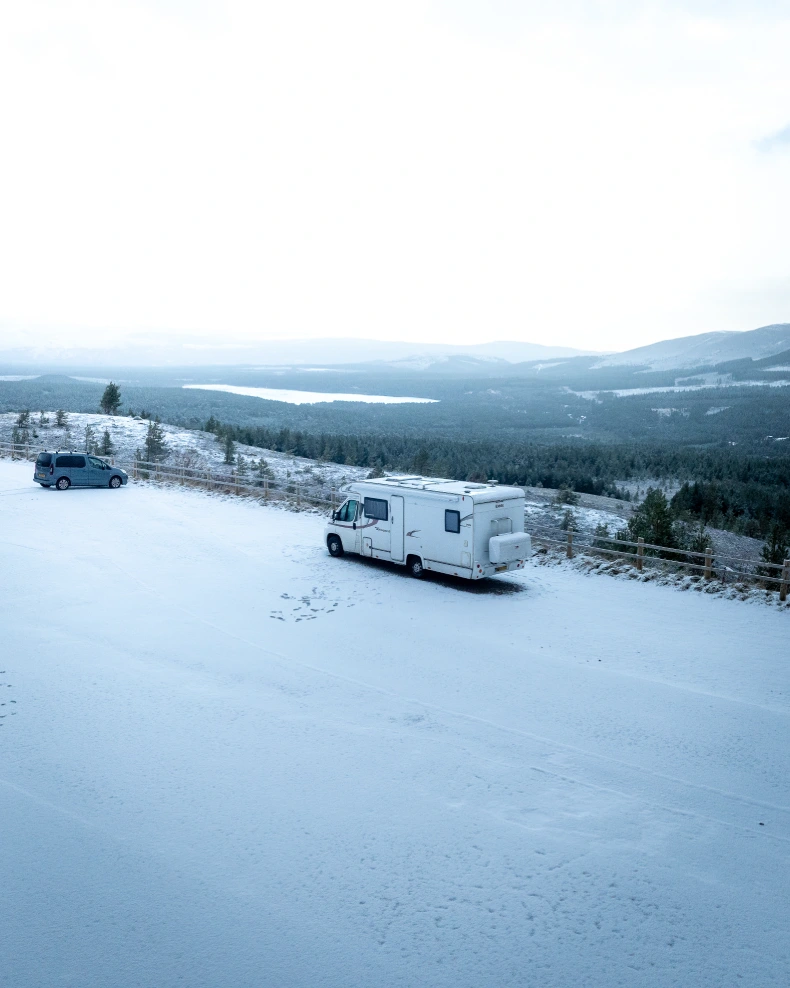
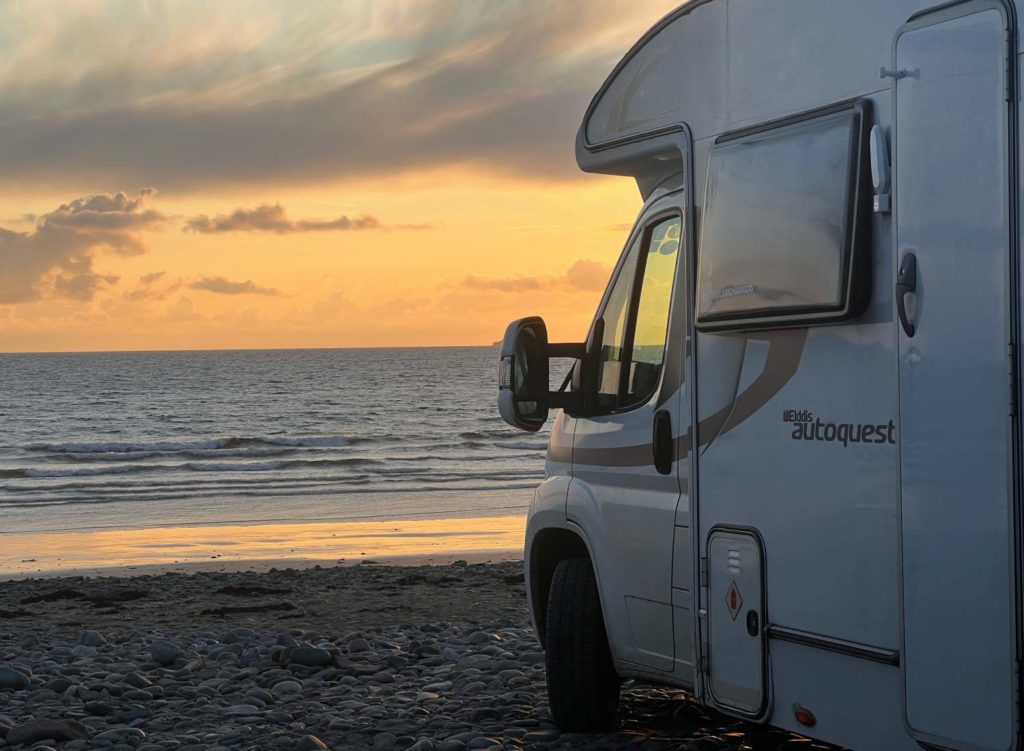
Travelling by Campervan
Campervan travel on the NE250 offers a blend of accessibility and the freedom to explore. Still, the need to integrate with a more populated and industrially active region (e.g., ports, oil/gas infrastructure) requires careful planning.
Campervan travel will benefit you if you value:
- Culinary Flexibility: Excellent for tasting and buying from numerous local food and drink producers (including the vast array of Speyside distilleries) without the constraint of restaurant hours. Self-catering significantly reduces costs in this relatively affluent region.
- Mountain Access: Provides immediate, convenient access for early-morning hikes and outdoor activities within the Cairngorms section of the route.
- Cost Management: Reduces reliance on hotels, which can be scarce or expensive, particularly in key towns or during peak whisky festival times.
However, it does require awareness of:
- Parking in Towns: Parking is often metered, limited, and poorly suited for larger vehicles, especially in historic town centres like Portsoy, Cullen, and parts of Aberdeen.
- Infrastructure: Campsite infrastructure is generally good, but demand can be high in summer.
- Road Variety: While major roads are good, many minor Speyside roads are narrow and winding. The mountain passes in the Cairngorms, while generally well-maintained, require caution in winter.
- Wild Camping Etiquette: As with all Scottish routes, respect for the environment and the Scottish Outdoor Access Code is paramount.
Travelling by Car/Motorcycle
Travelling by a standard vehicle or motorcycle is highly suited to the NE250, balancing speed on major sections with the agility needed for the more intricate parts of the route, such as the distillery trails and coastal villages.
Travelling by these offers:
- Agility: Ideal for navigating the intricate network of roads connecting Speyside distilleries and the small, historic coastal villages.
- Infrastructure: The route passes through several established towns and cities, offering a wide and reliable choice of accommodation, from luxury hotels to traditional B&Bs.
- Parking Ease: Simplified parking in all locations, including town centres, distillery parking lots, and coastal viewpoints.
It does, however, reduce:
- Accommodation Costs: Booking accommodation, particularly in high season or during major local events, can be expensive and requires planning.
- Reduced Flexibility: The need to adhere to a pre-booked itinerary reduces the spontaneity of stopping overnight in unexpected, remote spots.
- Driver Responsibility: The Speyside section involves passing numerous distilleries. If planning to sample, pre-arranged transport, a designated driver, or local taxis are essential.
What You Actually Need to Plan in Advance
You don’t need to book every night or activity before you leave. In fact, overplanning often makes trips more stressful.
What is worth thinking about early includes:
Overall trip length
Vehicle choice
Accommodation strategy during busier periods
Any must-do experiences
Everything else can usually stay flexible, especially if you’ve chosen a realistic pace!
Common Mistakes People Make on the NE250
After years of travelling this route and speaking to people who’ve done it, the same issues come up again and again:
Trying to cover too much ground
Underestimating driving times
Booking accommodation too rigidly
Not allowing for weather changes
Choosing an itinerary that doesn’t match their travel style
Being aware of these pitfalls before you go can completely change how your trip feels.


Ready to Take the Next Step?
You don’t need to have everything figured out at once. Start with a clear understanding of the route, choose a pace that feels comfortable, and build from there.
From here, you can: