
Plan Your Isle of Skye Road Trip
Planning an Isle of Skye road trip can feel daunting at first. There’s a lot of information online, plenty of opinions, and no shortage of suggested itineraries – many of which try to cram far too much into too little time.
This page is here to simplify the process.
Rather than throwing you straight into a rigid day-by-day plan, we’ll walk through how to plan Skye properly – helping you make the key decisions that shape a great trip, avoid common mistakes, and choose the approach that suits you.
If you’re still deciding whether this route is right for you, start with our Isle of Skye overview first. If you’re ready to plan, you’re in the right place.
How the Isle of Skye Really Works
Visiting Skye isn’t a road trip that rewards rushing. On paper, daily driving distances can look manageable – but in reality, road conditions, scenery, weather and unexpected stops all slow things down.
This sprawling island is a true Scottish jewel, well-known for its fascinating history, dramatic terrain and warm hospitality – it’s no wonder, then, that this is one of Scotland’s most popular locations. Many are attracted to its accessibility, seeking to tack the island onto a longer road trip or a multi-island hop with a brief visit, but leave amazed by how little they truly scratched the surface. This is part of what makes the island so special!
Planning Skye well is less about creating a perfect itinerary and more about understanding:
How long do you actually need
Where flexibility matters
What’s worth booking in advance
What’s better left open
Once you understand how the route flows, the rest becomes much easier!

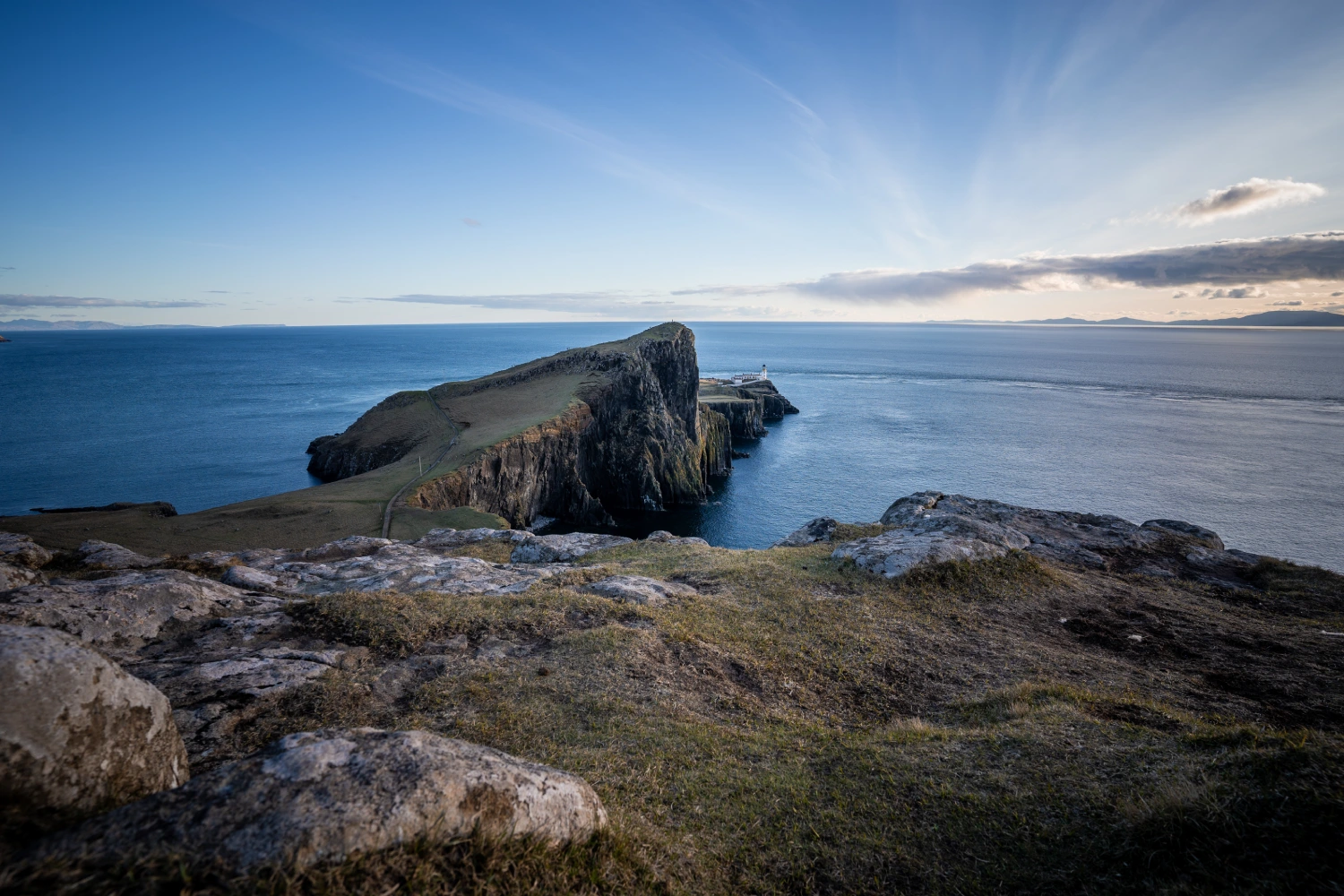
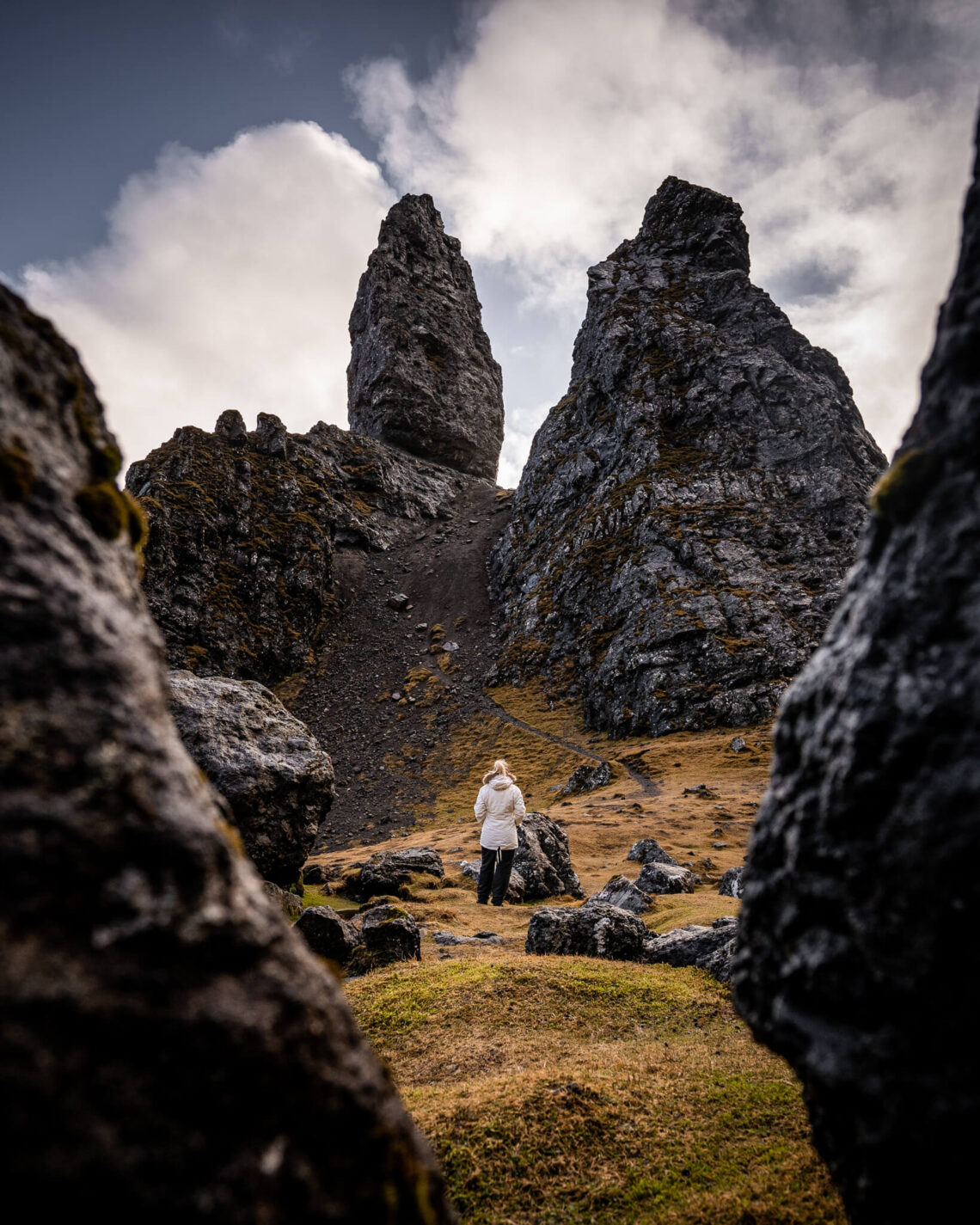
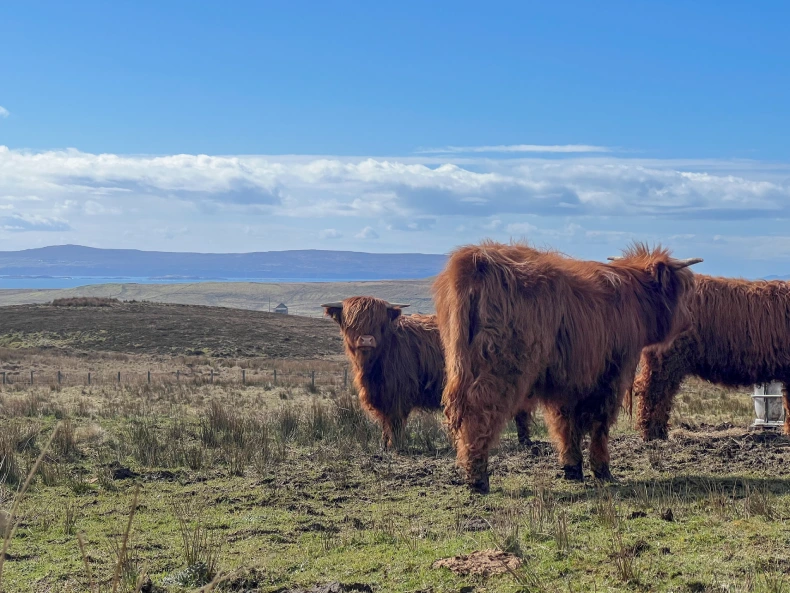
Choosing the Right Itinerary
Once you understand the basics of the route, choosing an itinerary becomes much simpler.
Our itineraries are designed to:
Reflect realistic driving days
Incorporate flexibility
Suit different timeframes and travel styles
Rather than forcing you into a one-size-fits-all plan, they give you a solid structure you can adapt as you go.
How Long Should You Allow for Skye?
One of the biggest planning decisions is how much time to give to the island.
As a general guide:
Fast Pace (3 Days)
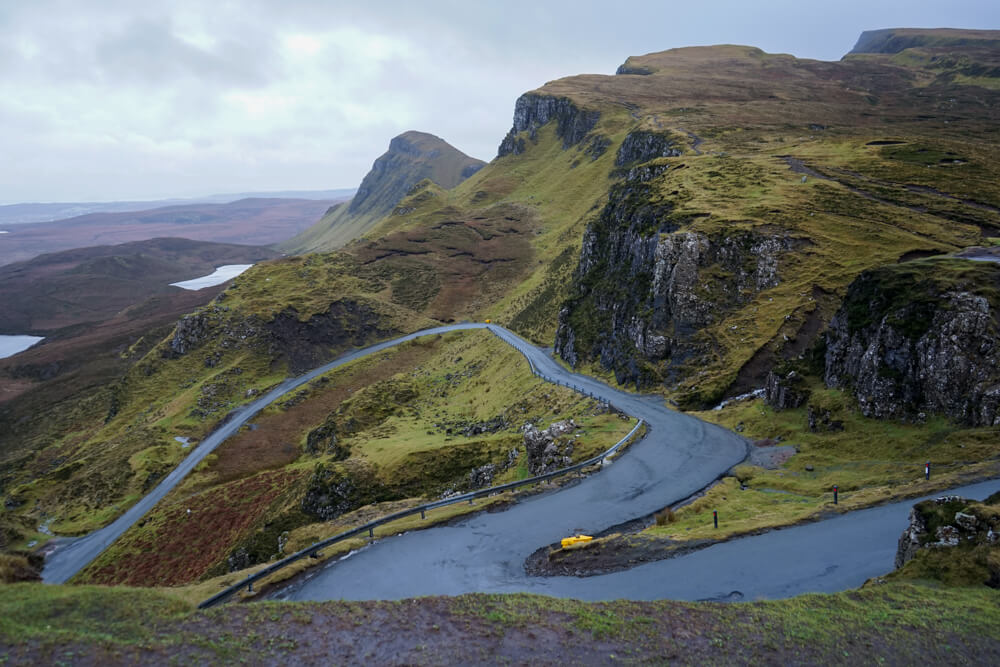
- Goal: See famous ‘postcard’ sights: Portree, the Old Man of Storr, Quiraing, Fairy Pools.
- Experience: Focused driving and short, essential hikes. Expect long queues and limited time at stops. Driving distances are low, but travel time is high due to narrow roads.
- Merit: Ideal for a quick addition to a mainland Scotland tour. Prioritises photography and checking off main sites, but requires booking accommodation far in advance.
Moderate Pace (7 Days)
- Goal: Cover all major highlights, allowing time for longer walks, exploring specific peninsulas, and boat trips.
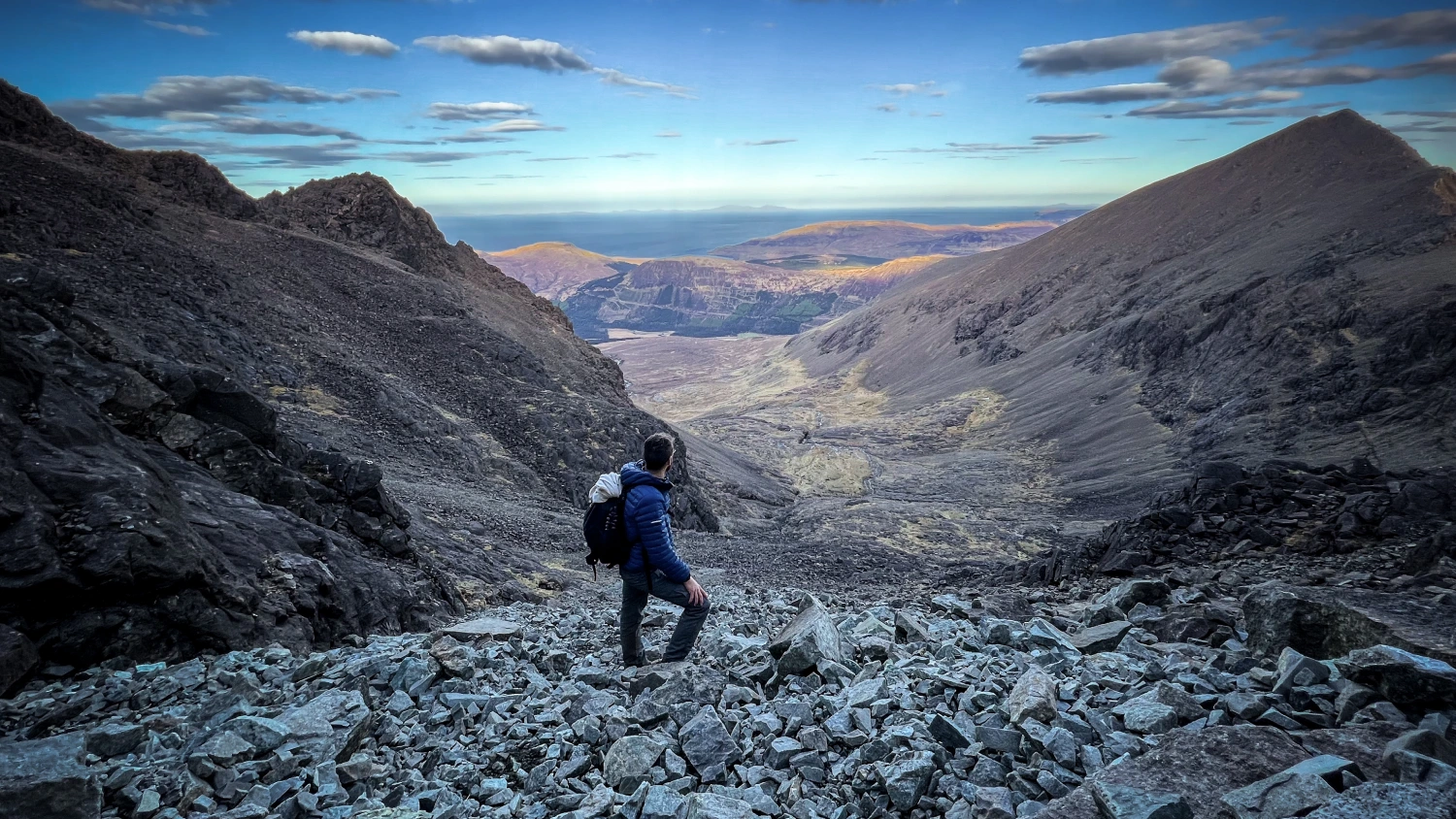
- Experience: Base yourself in two strategic locations over the stay (e.g., Portree/Sligachan area and Dunvegan/North West) to maximise exploration and reduce driving times. This also allows for 1-2 full-day hikes (e.g., the Quiraing loop or a Cuillin climb).
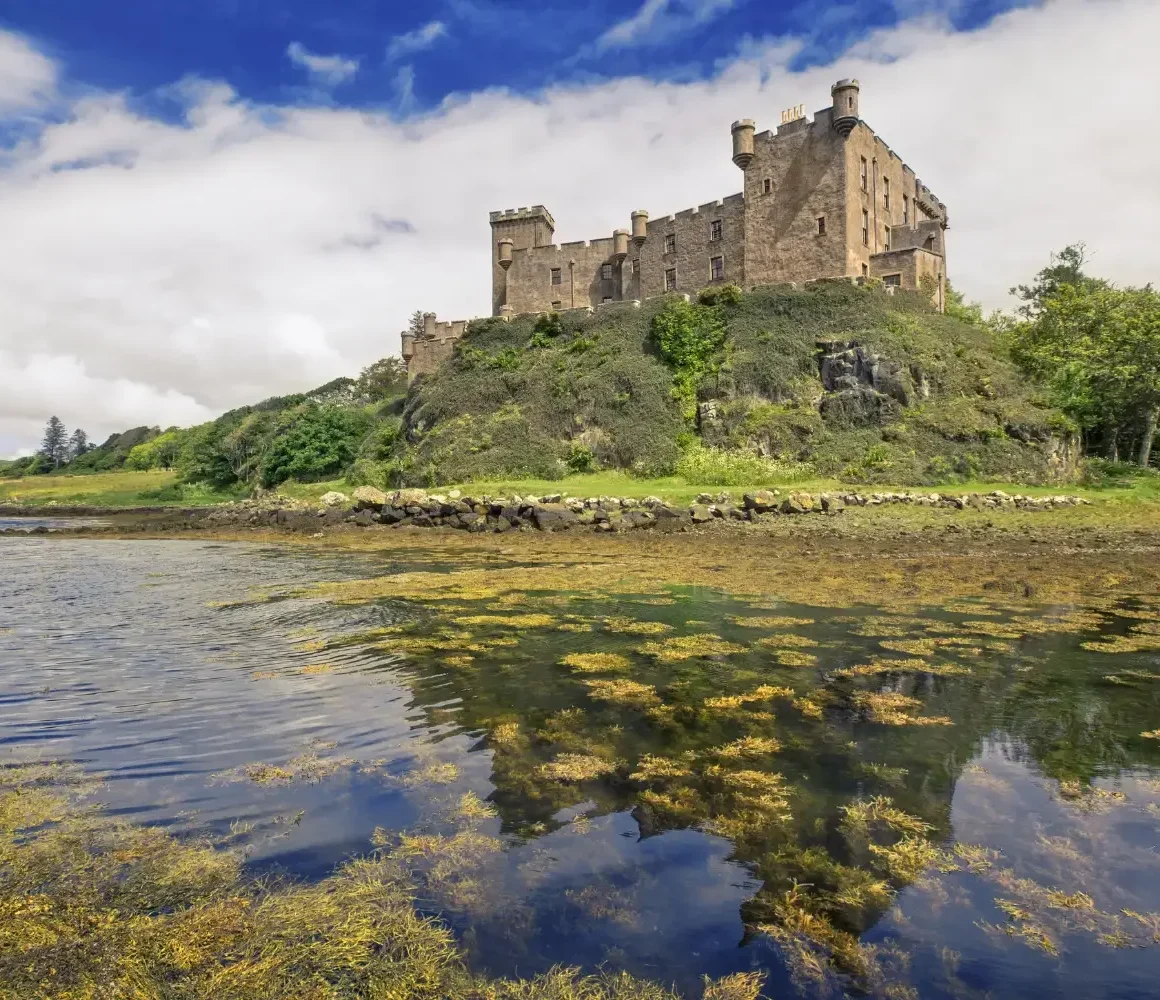
- Merit: Offers a balanced view of the island, including cultural sites (Dunvegan Castle) and natural wonders – sufficient time to recover from travel and to enjoy local cuisine.
Slow Pace (14+ Days)
- Goal: Full immersion – explore every major peninsula (Trotternish, Duirinish, Sleat), pursue specific activities (climbing, kayaking, detailed history), and linger in villages and smaller isles.
- Experience: Multiple nights in key, quieter locations (e.g., Broadford, Dunvegan, Staffin), allowing ample time for poor weather days, remote exploration, and hiking less-frequented trails.
- Merit: The ultimate way to experience Skye’s varied landscape and culture without rushing. Allows for spontaneous detours, day-trips and engagement with the local community.
If there’s one piece of advice we give again and again, it’s this:
Slower travel almost always leads to a better experience!
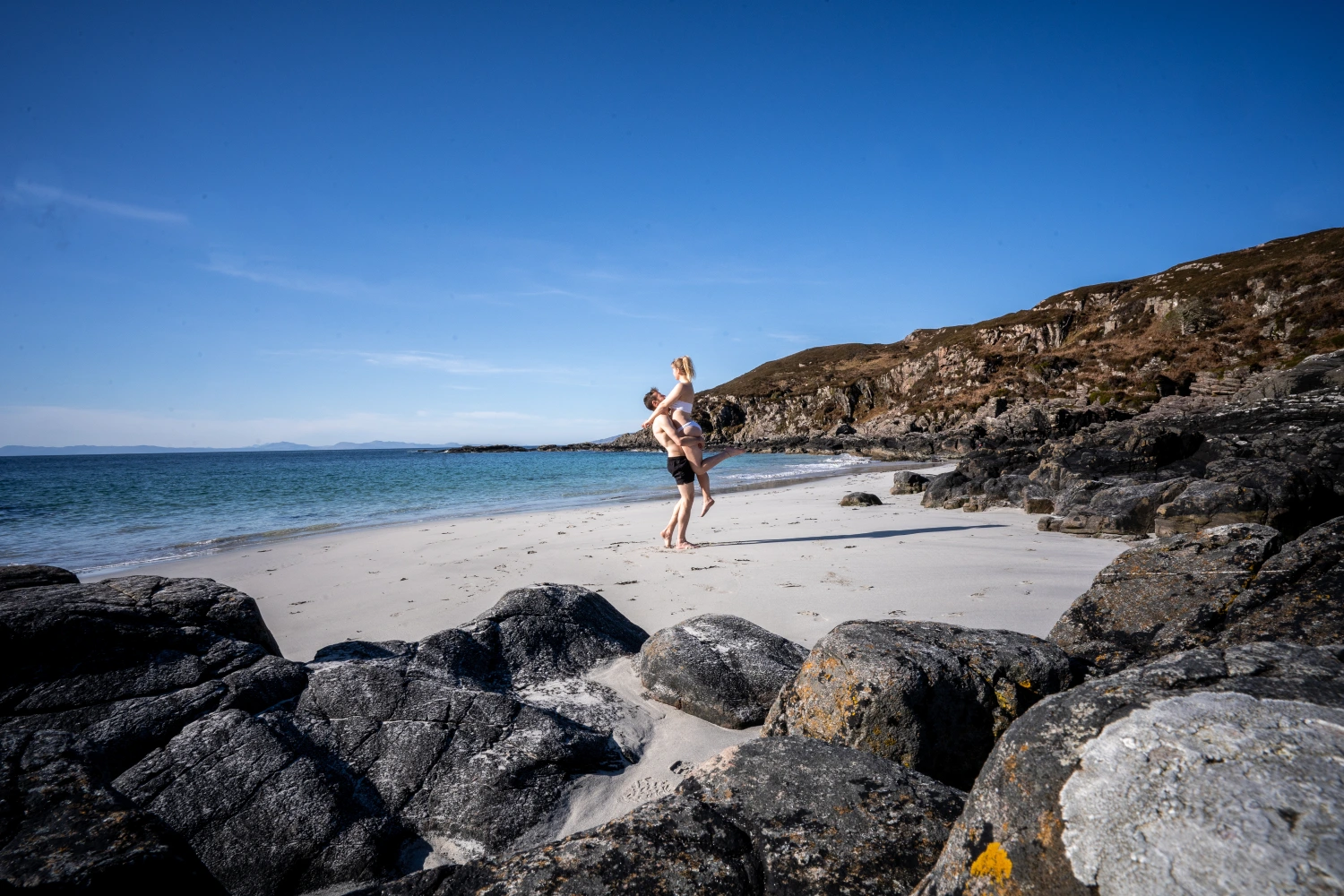
Choosing the Right Direction & Pace
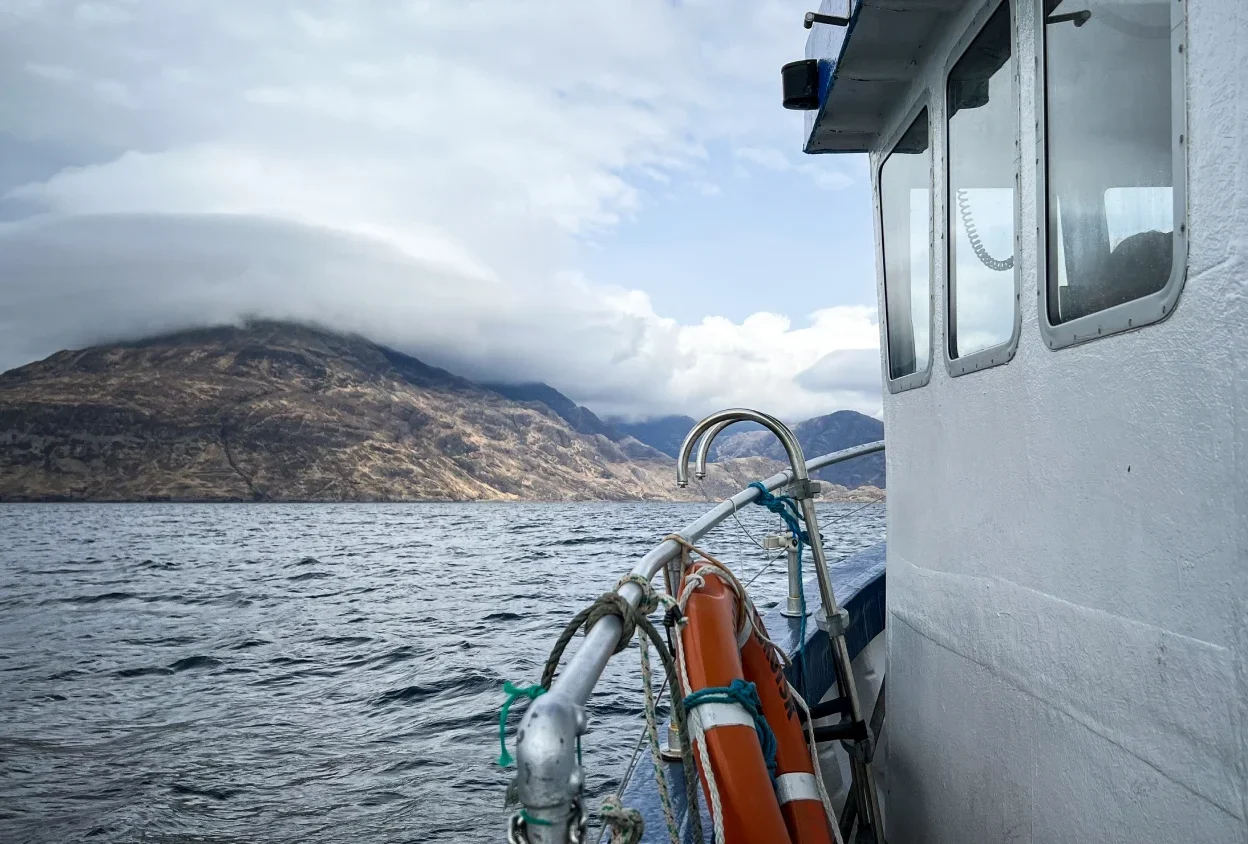
The primary access route to the island is via the Skye Bridge at Kyle of Lochalsh, meaning that no ferry crossing is required (although one can be taken from Mallaig to Armadale in the south of Skye). However, many main attractions can be highly congested during peak season, making effective itinerary planning crucial!
Depending on your itinerary, you may have options around:
Direction of travel
Starting point
Clockwise vs anti-clockwise flow
While there’s no single “correct” way to tour the Isle of Skye, certain approaches work better depending on:
Traffic patterns
Ferry timings (if coming from Mallaig)
Seasonal daylight
Your travel style
This is where a little planning up front can save a lot of frustration later.
Campervan or Car: What Works Best on Skye?
The sheer popularity of Skye, especially in summer, means busy roads and intense competition for limited parking and accommodation. As in the Outer Hebrides, a smaller, more manoeuvrable vehicle is strongly advised for navigating single-track roads and crowded sites on a tighter schedule.
Travelling by Campervan
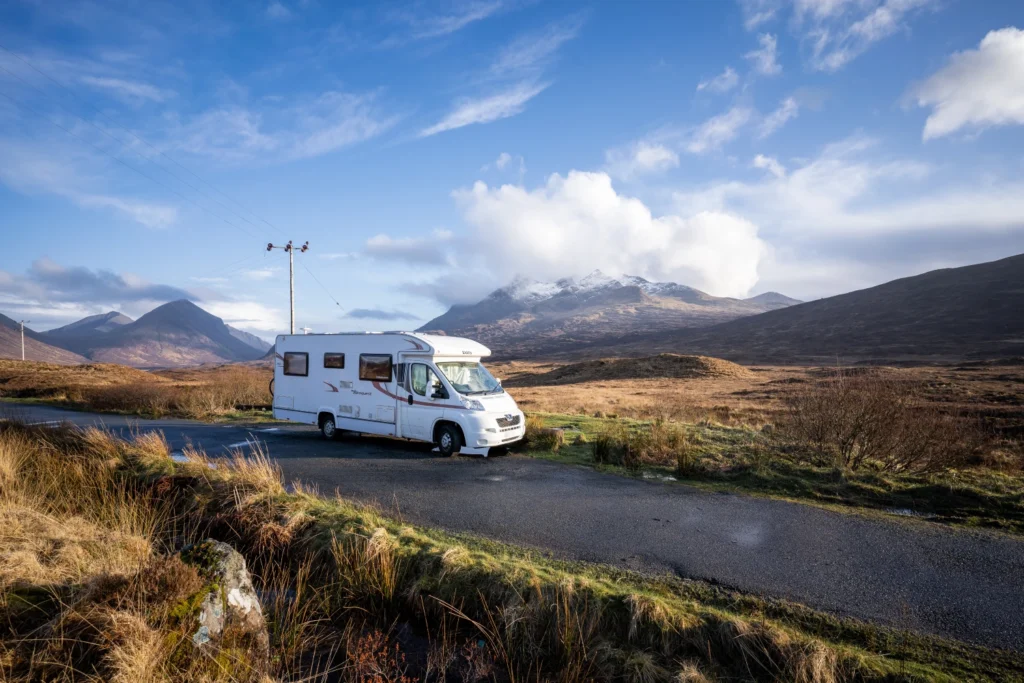
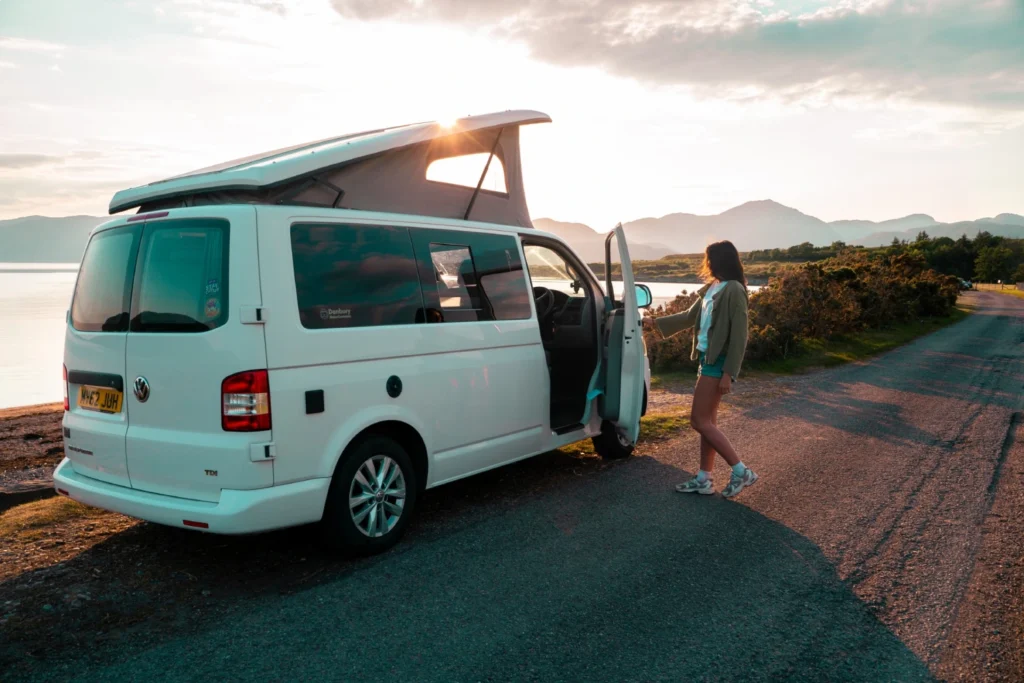
Campervan travel on Skye is an excellent angle to island exploration, especially if you value:
- Ultimate Flexibility: The ability to stop is crucial given the volume of attractions, but designated parking spots at major sites fill up extremely early. Spontaneous overnight parking is increasingly difficult and regulated.
- Cost Savings: Reduced reliance on expensive Skye accommodation is better for a budget.
- Authentic Experiences: An invaluable advantage to exploring more remote areas and navigating the major tourist circuit.
- Creature Comforts: A guaranteed dry, comfortable base is invaluable for dealing with the Skye ‘midge’ (a biting insect) and persistent rain.
However, it does require more awareness of:
- Road Challenges: Large RVs are strongly discouraged as they frequently cause significant bottlenecks and require risky manoeuvring in passing places.
- Parking Scarcity: Illegal or inconsiderate overnight parking is strictly policed and heavily frowned upon by locals.
- Wild Camping Etiquette: Strict adherence to the Scottish Outdoor Access Code (SOAC) and local regulations is essential. Use of formal sites for waste disposal and water is non-negotiable.
👉 Read the full guide to touring the Isle of Skye in a campervan
Travelling by Car/Motorcycle
Travelling by car offers significant advantages in terms of navigating the island’s tourist hotspots:
- Agility/Parking: Much easier to navigate busy, winding roads and significantly improves the chances of finding a legal parking spot at popular trailheads and town centres.
- Accommodation Variety: Full access to Skye’s diverse and often luxurious accommodation sector (B&Bs, hotels, hostels).
- Faster Pace: Easier to cover Skye’s many far-flung attractions in a shorter amount of time.
It does, however, reduce:
- Spontaneity: Accommodation must be booked months in advance during the peak season (May-September); last-minute travel is nearly impossible.
- Your Planned Budget: Accommodation costs on Skye are among the highest in Scotland.
- Protection From Elements (Motorcycle): Essential gear for rain, mist, and strong gusts is mandatory.
- Flexibility on Food: Reliance on restaurants and cafes, which can be busy and expensive.
What You Actually Need to Plan in Advance
You don’t need to book every night or activity before you leave. In fact, overplanning often makes trips more stressful.
What is worth thinking about early includes:
Overall trip length
Vehicle choice
Ferry crossings (if relevant)
Accommodation strategy during busier periods
Any must-do experiences
Everything else can usually stay flexible, especially if you’ve chosen a realistic pace!
Common Mistakes People Make on Skye
After years of visiting this island and speaking to people who’ve toured it themselves, the same issues come up again and again:
Trying to cover too much ground
Underestimating driving times
Booking accommodation too rigidly
Not allowing for weather changes
Choosing an itinerary that doesn’t match their travel style
Being aware of these pitfalls before you go can completely change how your trip feels.
Ready to Take the Next Step?
You don’t need to have everything figured out at once. Start with a clear understanding of the route, choose a pace that feels comfortable, and build from there.
From here, you can:
👉 Explore our Isle of Skye itineraries