
The Outer Hebrides: Your Campervan Guide
The Outer Hebrides, or Na h-Eileanan Siar (‘The Western Isles’), stand as the perfect opposite of crowded mainland routes like the NC500. This far-flung archipelago, stretching from Vatersay to Lewis, offers raw, unspoiled landscapes, white sandy beaches, and a vibrant Gaelic culture woven into daily life. For travellers seeking adventure, exploring in a campervan provides unmatched freedom to immerse themselves in the rugged moorlands, stunning beaches, and historic villages.
Travelling in the Hebrides requires a different approach, however. Infrastructure is limited; communities are small and close-knit; and local customs – especially regarding the environment and traditions – must be respected fully. This guide delivers thorough, practical, and authentic advice to help you enjoy this essential Scottish road trip successfully!
If you’re still deciding whether this route is right for you, start with our Outer Hebrides overview first. If you’re ready to plan, you’re in the right place.
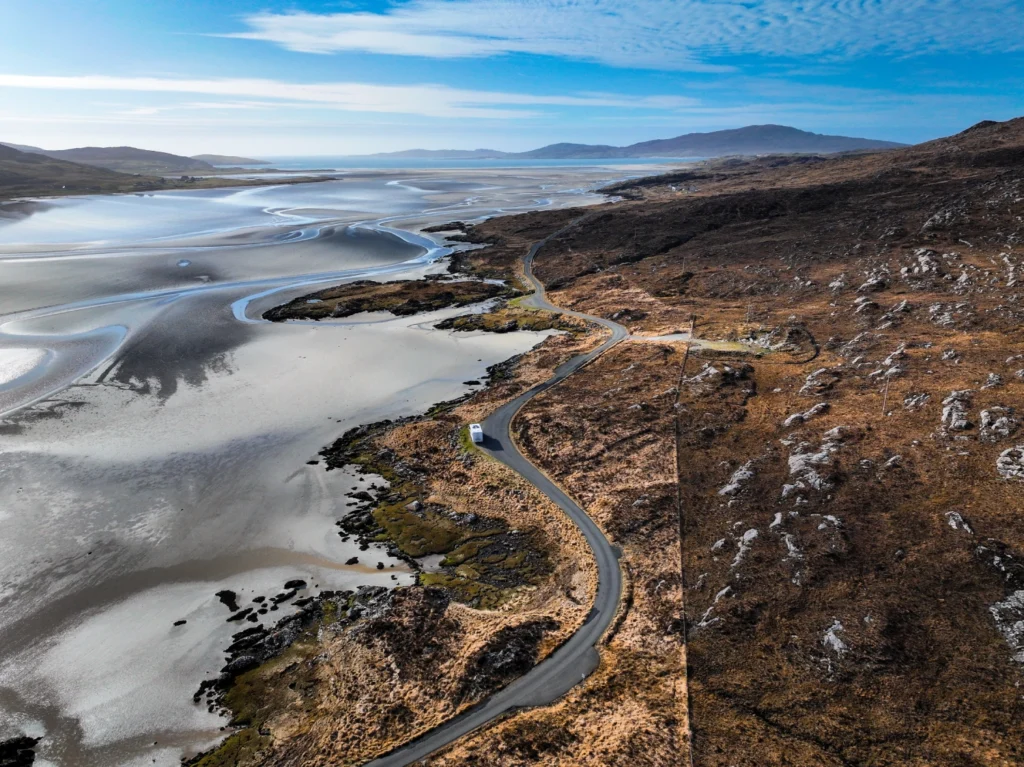
Planning Your Hebridean Campervan Trip
The Hebrides challenge self-sufficiency, requiring meticulous planning for fuel, waste, and utilities.
Essential Kit
- High-quality Waterproof Jacket/Overtrousers: Essential for heavy rain and wind.
- Thermal Base Layers: Crucial for wind chill, even in summer.
- Waterproof Walking Boots: Sturdy boots for terrain; sliders for van use.
- Quick-Drying Clothes/Microfibre Towel: Avoid moisture-retaining cotton.
- Paper Map (OS Maps): Mobile signal is unreliable; don’t rely solely on GPS.
- First Aid Kit: Don’t leave without medical supplies, and resupply where possible!
- High-Vis Vest, Head Torch: For emergencies and late-night setups.
- Levelling Blocks: To manage van levelling and maintenance.
- Cash: Useful for remote stalls/honesty boxes – there are not many ATMs across the more remote Isles.
Weather & Midges
The dynamic Hebridean weather dictates daily life.
- Wind Management: High winds are common and can make driving and parking a high-sided vehicle challenging. Ensure all awnings and external fixtures are retracted and secured when parked, particularly overnight. Be vigilant for CalMac updates; ferry departure times can be brought forward or delayed with little notice due to wind or sea swell.
- The Midge Factor: From late May to September, midges are present. The good news is that the constant wind often keeps them grounded. The bad news is they swarm instantly in sheltered bays at dusk. Carry Smidge or a strong repellent, and consider midge nets for ventilation.
Water, Waste, and Refuelling
- Chemical Disposal Points (CDPs): Public Elsan points are exceedingly rare. The vast majority of Chemical Disposal Points (for grey and black waste) are located at licensed, paid-for campsites. You must plan your itinerary around these sites to manage your waste ethically. Never dispose of garbage in public drains or the landscape.
- Fuel Strategy: Fuel stations are incredibly sparse. Strategic refuelling is primarily available in Stornoway, Tarbert (Harris), Balivanich (Benbecula), and Castlebay (Barra). Always top up your tank well before it drops below half full; the distance between stations can be considerable, especially across the Uists.
- Gas/LPG Supply: If your campervan relies on specific gas cylinders (e.g., Calor, Flogas), finding replacements can be challenging. Start the trip with a maximum supply to avoid a lengthy search.
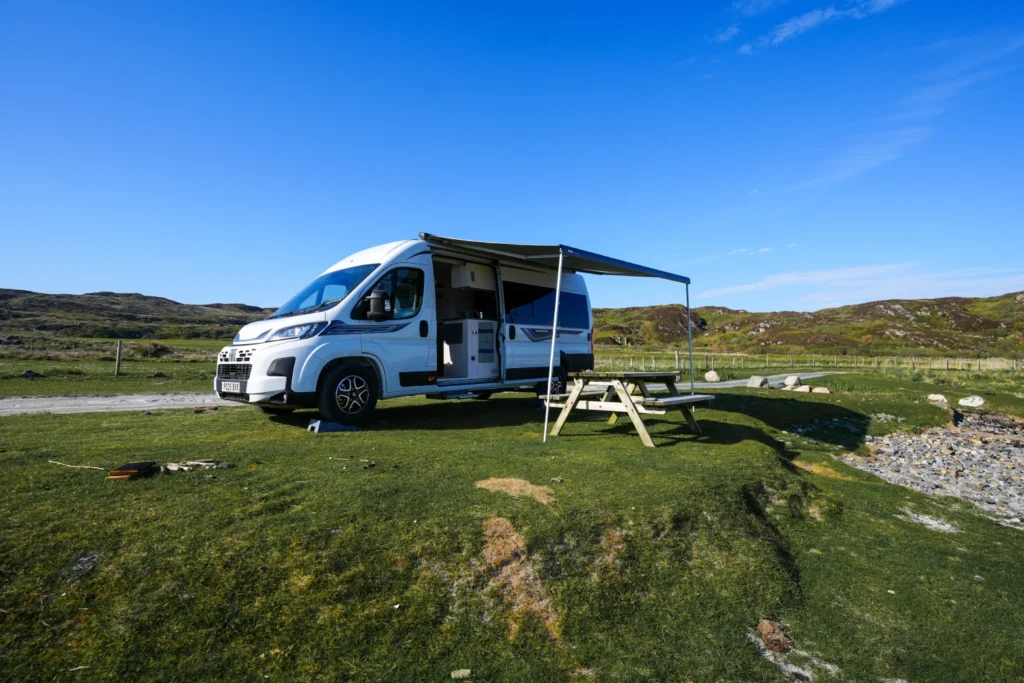
The Outer Hebrides: Route Awareness
The central route of this trip is the “Hebridean Way,” a 185-mile trail spanning ten islands, connected by six causeways and two key ferry crossings.
Navigating the Ferry System
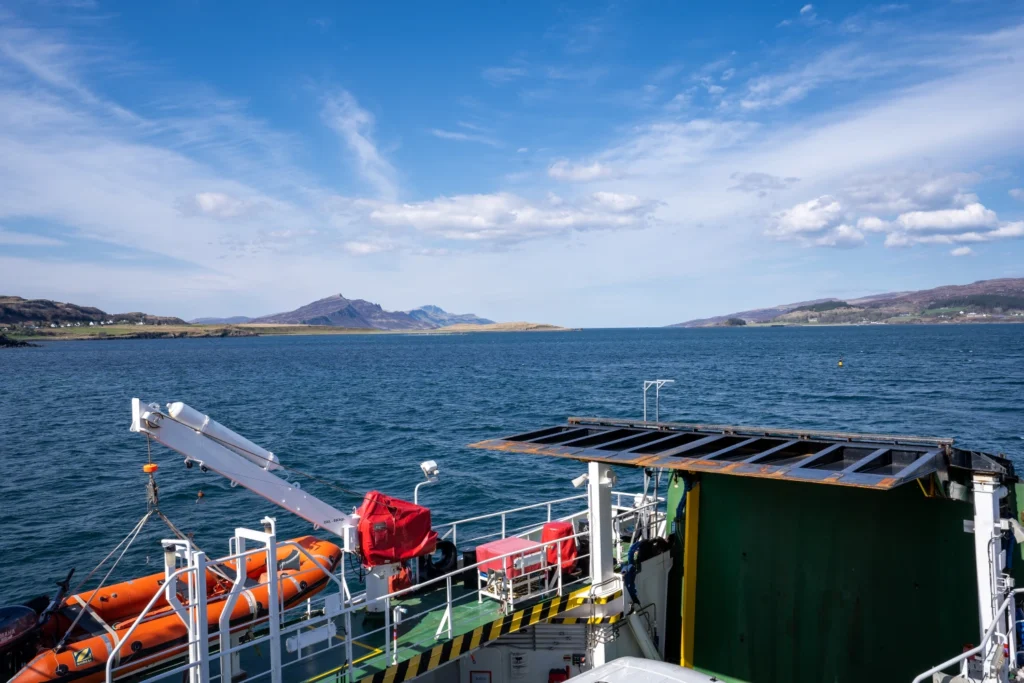
The Caledonian MacBrayne (CalMac) ferries are the only means of connecting your campervan to and between the islands. Planning these ferry trips carefully is the most crucial aspect of your trip!
- Mainland Access Points: The primary gateways from the mainland are:
- Ullapool to Stornoway (Lewis): The longest crossing, depositing you directly onto the most significant island.
- Uig (Isle of Skye) to Tarbert (Harris): A popular choice for combining the two regions.
- Oban to Castlebay (Barra): Perfect for those wishing to start the journey from the south and travel north.
- Inter-Island Crossings: Do not underestimate the need to book the shorter, essential inter-island ferries well in advance. Space for vehicles, especially high-sided campervans, is highly restricted on crossings such as Harris to North Uist and Eriskay to Barra. Waiting until arrival is a recipe for being stranded.
- Vehicle Accuracy: CalMac staff are meticulous in verifying vehicle dimensions (length, height, and bike-rack capacity). Any misrepresentation of size, particularly if your van is over 2.2m tall, could result in refusal of boarding without a refund, as larger vehicles occupy limited deck space. Be prepared for potential weather-related disruption; high-sided cars are often the first to be restricted in strong winds.
Pacing Your Road Trip
Minimum Duration: A bare minimum of 7 to 10 days is necessary to account for ferry schedules, the inevitable delays caused by weather, and the sheer volume of sights.
The Ideal Duration: 14 days is strongly recommended. This enables dedicated exploration of individual islands – such as the remote western coastline of Lewis, the beaches of Harris, and the birdlife of the Uists – without the pressure of constant movement.
Route Highlights
Location | Key Attraction | Practical Campervan Tips |
Lewis | Callanish Standing Stones (Calanais) | Ample, designated parking is availabl – visit early or late to avoid coach crowds. |
Harris | Luskentyre Beach & Golden Road | Park only in the official car park. Parking outside of designated bays on this fragile coast is prohibited. Do not attempt to drive onto the sand. |
North Uist | Balranald Nature Reserve | The single-track roads here are some of the narrowest on the route. Take extreme care and drive slowly for birdwatchers. |
Benbecula | Causeway Link | Located centrally, this is the most reliable island for finding an operational fuel station and the most comprehensive supermarkets across the Uists. |
South Uist | Askernish Golf Course | Services are very limited. Ensure you have planned for fuel, water, and food before departing Benbecula/North Uist. |
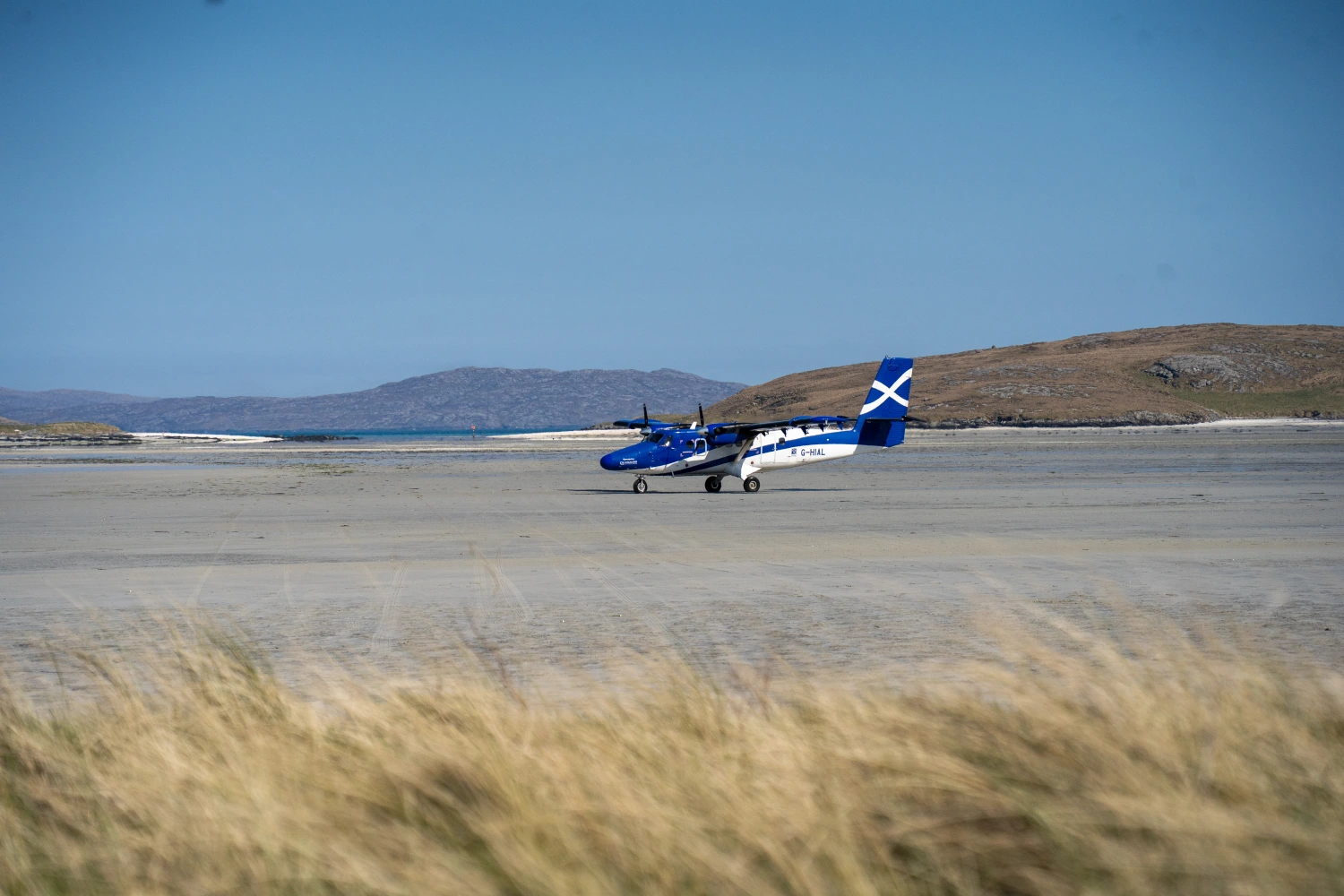
Barra/Vatersay | Barra Airport (Beach Runway) | Check tide times to see if the flight lands on the sand. The narrow road network here is exceptionally winding and tight, so plan extra time! |


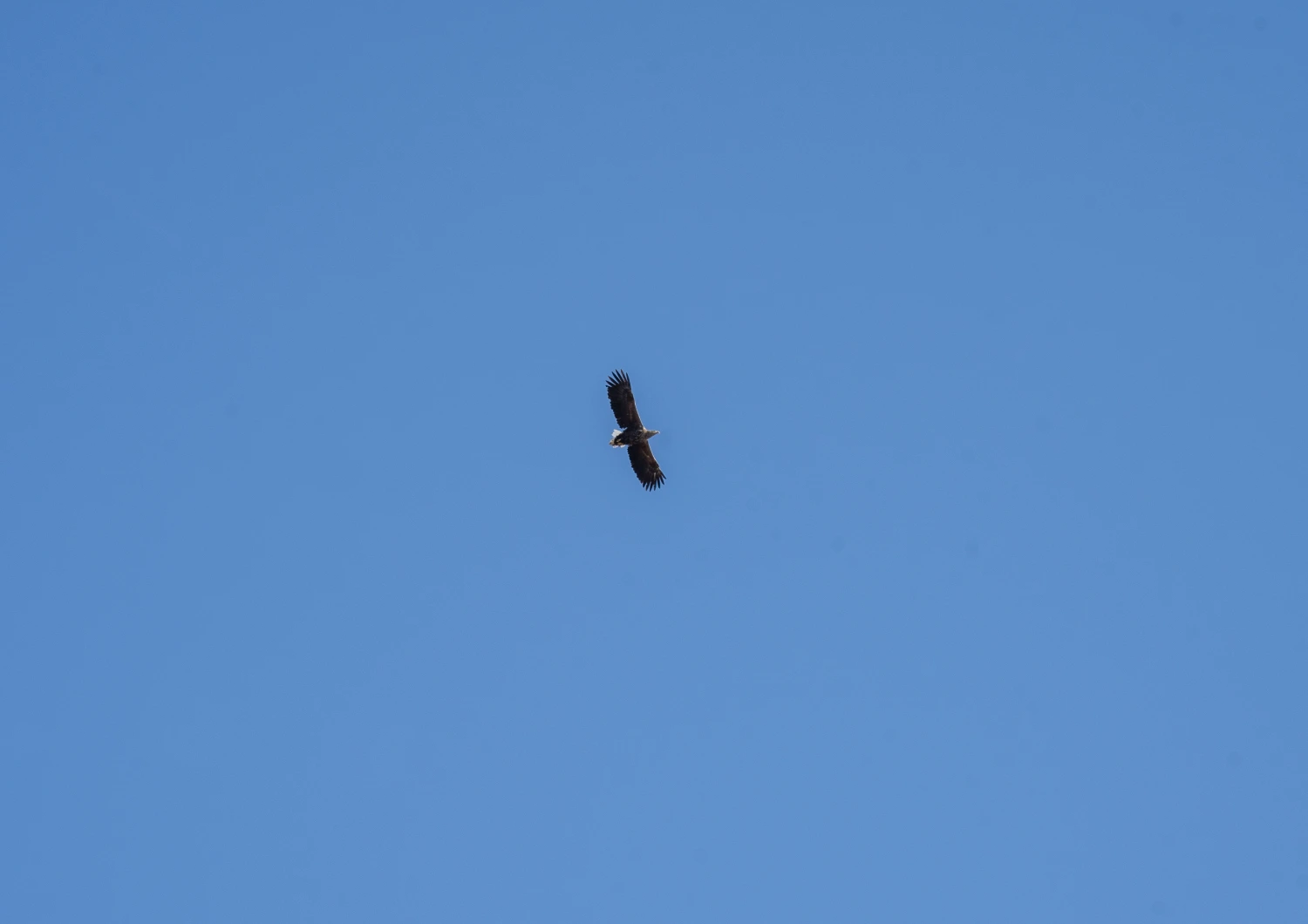
Campervan Guide: Legal Considerations
A critical distinction must be made here: the right to roam under the Scottish Outdoor Access Code does not extend to motorised vehicles for overnight stays. The Hebrides are not suitable for “wild camping” in motorhomes, and local sentiment is strongly opposed to it.
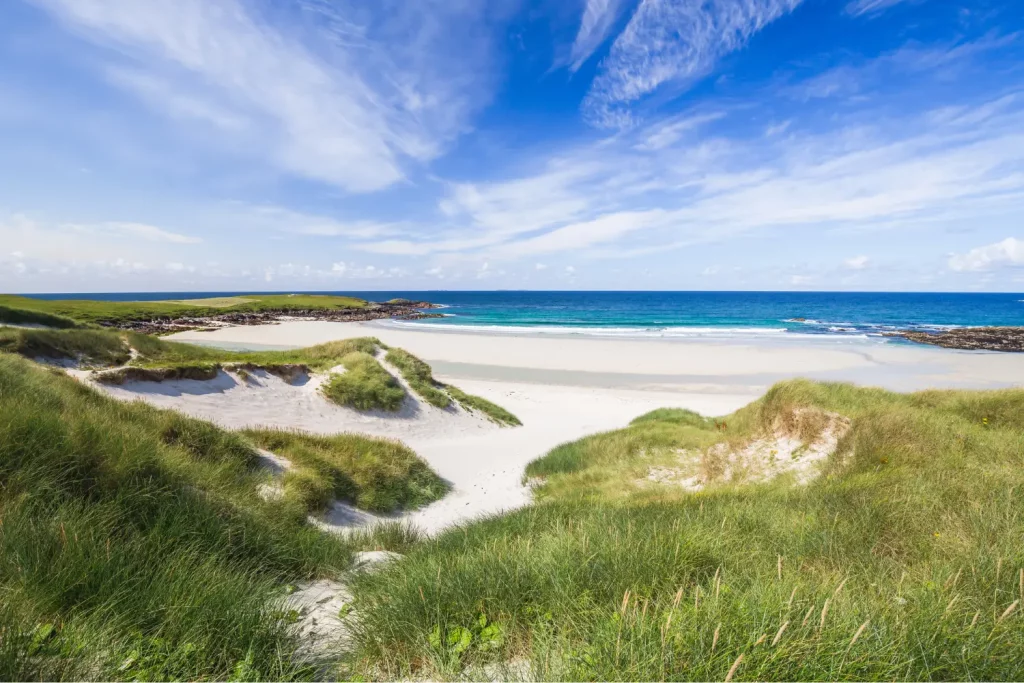
- The Fragility of the Machair: The precious coastal grassland (machair) of the Uists is biologically sensitive and easily destroyed by vehicle use. Strict local bylaws protect this environment.
- Designated Stops Only: You must plan your itinerary around licensed commercial campsites or designated community motorhome stopovers. There are fewer available than on the mainland, making booking – even outside peak season – essential.
- Community Benefit: Utilising community-run stopover schemes (often providing basic facilities for a modest fee) is the most respectful way to travel, ensuring your money directly supports the local economy.
- Zero Tolerance: Local enforcement agencies are highly vigilant. Abandoning a campervan overnight in passing places, ferry queues, or sensitive beauty spots is viewed negatively by residents and can result in fines.
The Outer Hebrides: Local Customs
Driving in the Outer Hebrides requires not just technical competence, but a profound cultural sensitivity.
Single-Track Roads
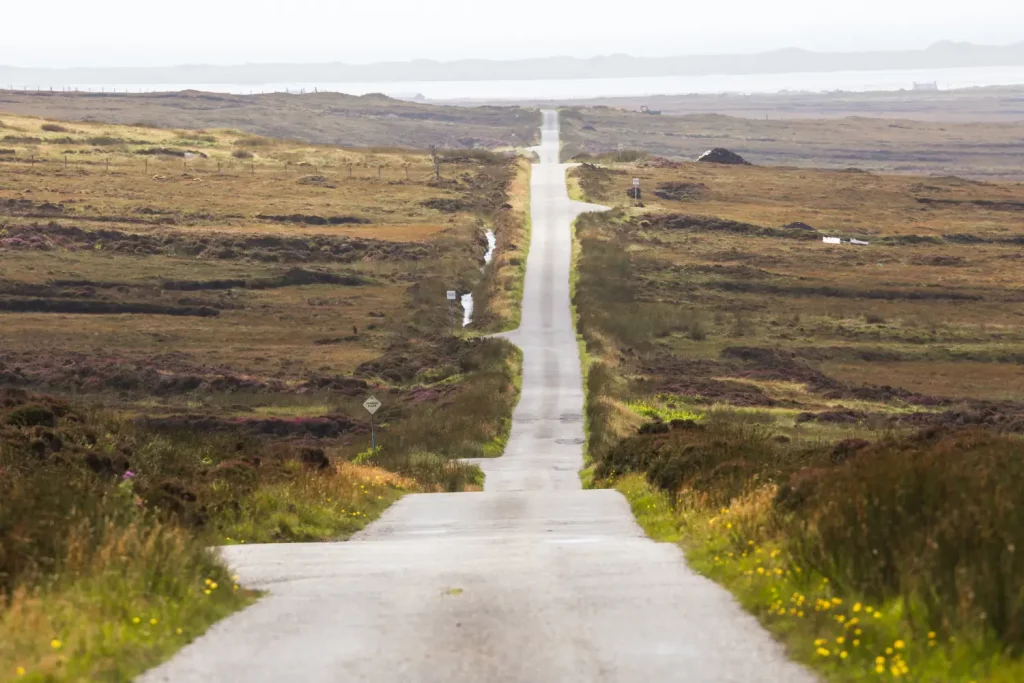
Outside Stornoway and the main arteries, almost all roads are single-track with passing places.
- Prioritise Local Traffic: The fundamental rule is to avoid delaying anyone who lives and works on the islands. If you see a faster vehicle behind you, pull into the nearest passing place immediately (even if the local vehicle has to wait a few seconds) to let them pass. Local delivery drivers and service vehicles run on tight schedules.
- Use Passing Places Correctly: Only pull into a passing place on the left if it’s on your side of the road. If the passing place is on the right, wait opposite it until the oncoming car has passed.
- Livestock Sovereignty: Sheep, Highland cattle, and deer graze freely on the unfenced common land. They have absolute priority. Slow down, stop, and wait patiently. Never use your horn aggressively!
The Sacred Sabbath (The Lord’s Day)
This is the single most vital local custom to comprehend and respect, particularly in Lewis and Harris.
- A Day of Rest: In many areas, Sunday is still strictly observed as the Lord’s Day. The atmosphere is one of profound tranquillity.
- Closed Services: Be fully prepared for the almost total closure of services. This includes nearly all shops, petrol stations, and post offices, and often public amenities as well.
- Critical Planning: You must ensure your campervan is fully fuelled and your fridge is stocked with enough supplies by Saturday afternoon. Sunday is not a day for provisioning!
- Respectful Conduct: While driving is permitted, visitors are urged to keep their activities low-key. Avoid loud, conspicuous activities such as flying drones, operating noisy generators, or performing mechanical work near residential areas – observe the quiet dignity of the day.
Gaelic Culture
The islands are one of the last strongholds of the Gaelic language and its cultural traditions.
- The Language: Gaelic (Gàidhlig) is heard daily, and road signs are bilingual. A simple effort – learning tapadh leat (thank you) or the Gaelic names of key locations – is a respectful acknowledgement of the culture.
- Archaeology and Environment: The Hebrides are saturated with ancient history, from the monumental Callanish Stones (Calanais) to Iron Age Brochs and preserved Blackhouses.
- Stay on Paths: Follow established paths around historical and archaeological sites. These locations are easily eroded!
- Leave No Trace: Never camp, park, or drive on or near sensitive historical sites.
Waste Disposal
The islands’ recycling and waste infrastructure is limited.
- Carry it Out: Public bins are rare. You must adhere to a “pack it in, pack it out” policy. Take all waste and recycling with you and dispose of it responsibly at designated town facilities or official campsites.
- Do Not Litter: Leaving rubbish at passing places or lay-bys is both environmentally destructive and a profound insult to the local community, who bear the burden of cleanup.
The Outer Hebrides offers an escape that reconnects the traveller with nature, history, and a unique way of life. By planning rigorously, respecting the fragile environment, and honouring the local customs of the road and the Sabbath, your campervan journey will become an unforgettable Hebridean odyssey!
Want Help Planning Your Hebridean Trip?
If you’d like a second opinion or help tailoring the route to your exact needs, we offer personalised trip planning calls.
These are ideal if:
It’s your first time on the route
You’re short on time
You’re travelling by campervan
You want reassurance before booking
You’ll speak directly with people who’ve visited the Outer Hebrides themselves and understand what works in practice – not just in theory!
👉 Book a planning call
Ready to Take the Next Step?
You don’t need to have everything figured out at once. Start with a clear understanding of the route, choose a pace that feels comfortable, and build from there.
From here, you can:
👉 Explore our Outer Hebrides itineraries