
Your Wild Atlantic Way Road Trip - A Practical Guide
The Wild Atlantic Way is an epic, multi-day adventure that encompasses the entire Irish west coast, packed with exhilarating activities, world-renowned sights, and warm hospitality. But for a journey of this magnitude, you can’t just wing it – you need to pack well, plan, and be prepared for the worst!
This guide takes you through the practical aspects of the WAW, including what to consider and how to plan.
If you’re still deciding whether this route is right for you, start with our Wild Atlantic Way overview first.
If you’re ready to plan, you’re in the right place.
Pack For The Road (And Weather!)
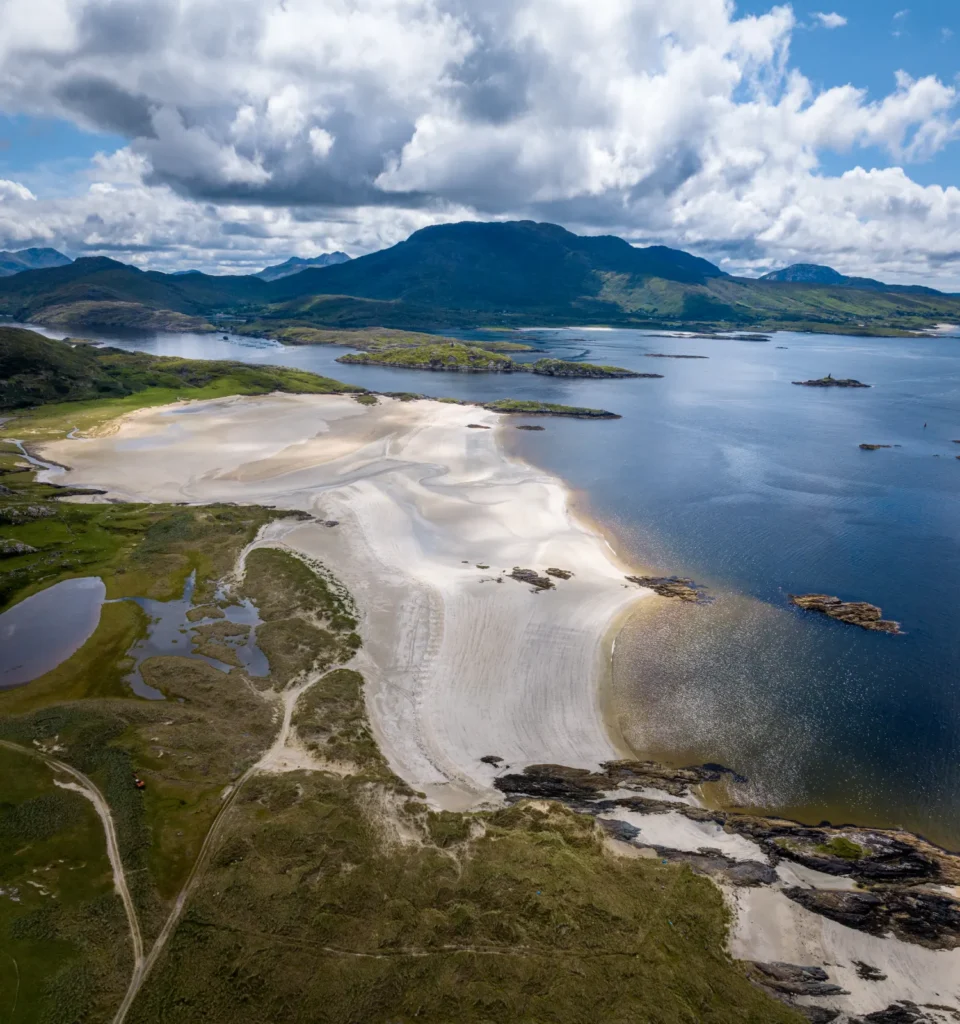
The Atlantic weather is dramatic, beautiful, and utterly unpredictable. You might experience bright sunshine, driving rain, and thick fog all within a single hour. Summer (June-August) offers the best chance of sun, but peak season attracts the largest crowds!
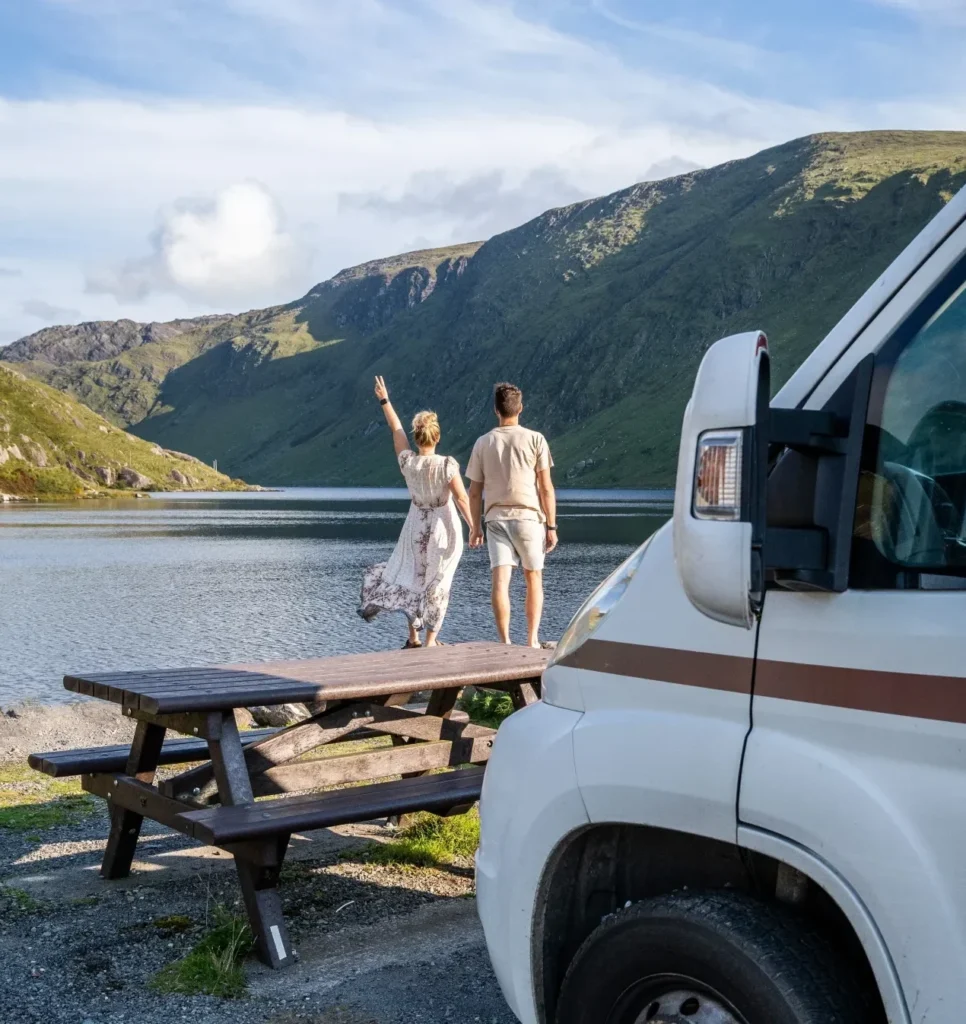
- The Golden Rule of Gear: Pack layers. Even in July, a warm jumper, a waterproof and windproof jacket, and sturdy, waterproof walking boots are non-negotiable. Don’t forget sunglasses and suncream, as the UV can be surprisingly strong when the clouds break!
- Photography Essentials: The light changes constantly, offering incredible photographic opportunities. Bring lens cloths to wipe away sea spray and a tripod to capture those dramatic sunset shots over the ocean. A reliable, waterproof camera bag will save your equipment.
- Staying Connected: While most towns and tourist areas offer Wi-Fi, expect service drop-offs along the remote coastal stretches, particularly in Donegal and parts of Kerry. Embrace the digital detox – it’s part of the authentic WAW experience.
Essential Navigation Tips
The Wild Atlantic Way is largely a two-lane affair, but many of the most scenic sections utilise narrow, winding regional roads (R-routes and minor local lanes).
- The Left is Right: Remember, driving is on the left-hand side of the road in Ireland: overtaking should only be done when absolutely safe and not over solid white lines.
- Embrace the Single-Track Roads: You will encounter single-track roads, especially on more remote peninsulas (like Dingle). Look out for ‘passing places’ – small pull-ins marked by signs. If you are closer to a passing place, pull into it to let oncoming traffic pass. If the passing place is on the left, you pull into it; if it’s on the right, you pull alongside it. A quick wave of thanks is customary and appreciated!
- Watch Your Speed: Speed limits are signposted in kilometres per hour (km/h). While the national speed limit on main roads is often 100 km/h, the reality of the WAW is that your average speed will be significantly lower due to the twists, turns, and scenic distractions. Drive slowly, enjoy the views, and respect the locals who need to use these roads daily.
- Navigation: While the route is exceptionally well signposted with the distinctive blue WAW wave logo, a reliable GPS or offline map application (like Google Maps) is essential, especially when seeking accommodation or specific local attractions. Mobile phone service can be patchy in remote areas, so download your maps beforehand!
Embrace The Local Culture
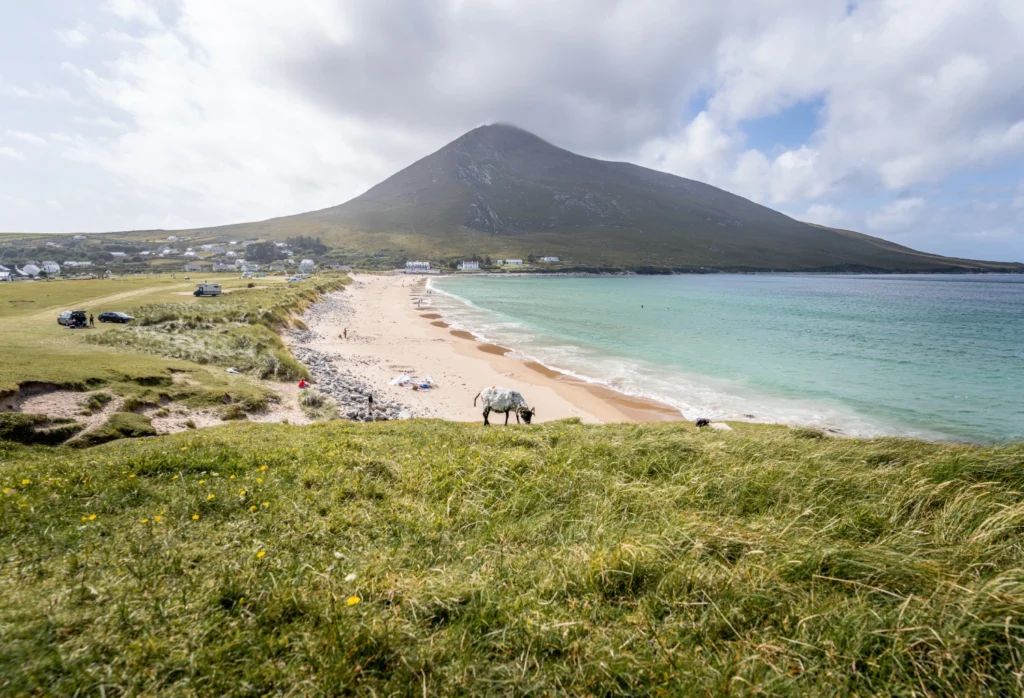
The real treasure of the Wild Atlantic Way is the people and the culture – don’t be afraid to follow local advice and recommendations for the route ahead. It’s how we found some of our favourite hidden gems and quieter spots!
- The Pub: The local pub is the social, cultural, and musical heartbeat of any Irish village. Don’t just pop in for a quick pint – stay a while, talk to the bar staff, and listen for a seisiún (a traditional music session). These are often spontaneous, happen late in the evening and are not to be missed!
- The Gaeltacht Regions: Large parts of the Wild Atlantic Way, particularly in Donegal, Galway, and Kerry, are Gaeltacht areas, where the Irish language (Gaeilge) is spoken daily (you’ll tend to see road signs in Irish first!). While everyone speaks English, learning a few phrases like ‘Go raibh maith agat’ (Thank you) will be genuinely appreciated.
- Food and Drink: Seek out local seafood shacks (especially in places like Kinsale or the Aran Islands), try Boxty (a potato pancake) in the Northwest, and, of course, sample a pint of Guinness poured correctly (yes, there’s a legendary knack to it!) Avoid tourist traps and politely ask locals for their favourite spots!
Campervan Logistics: Beyond the Basics
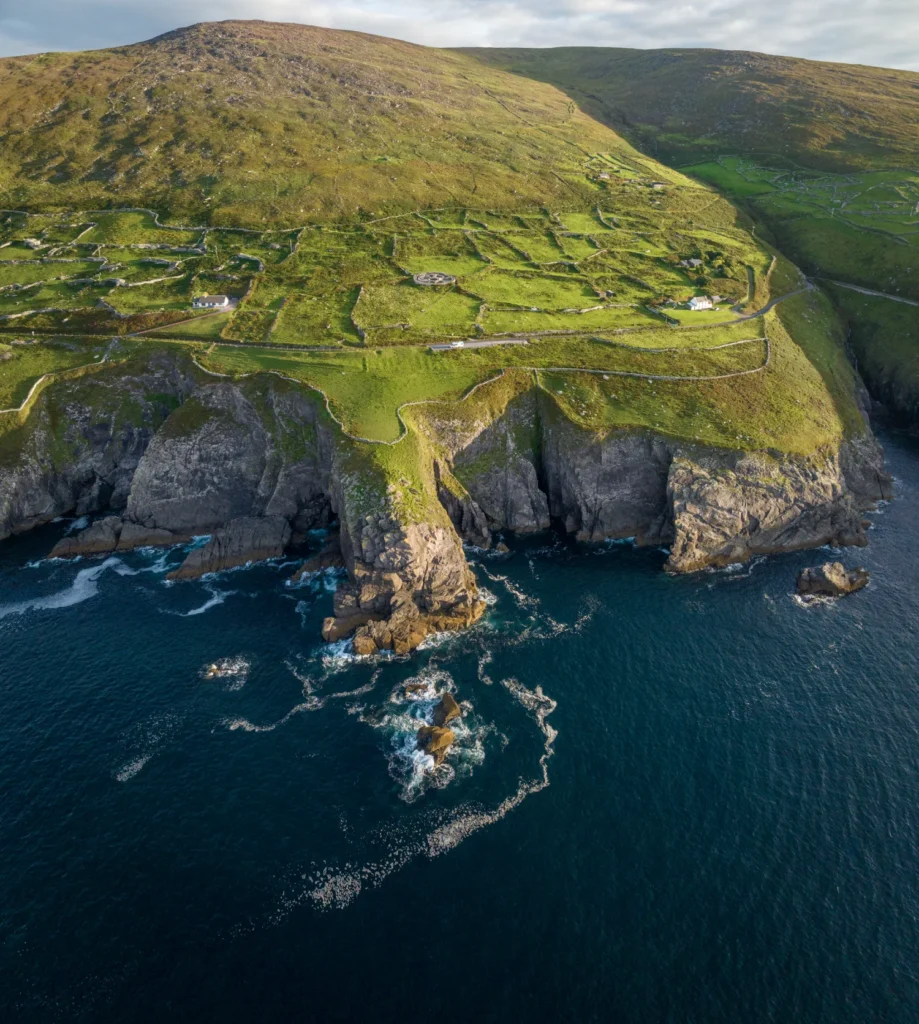
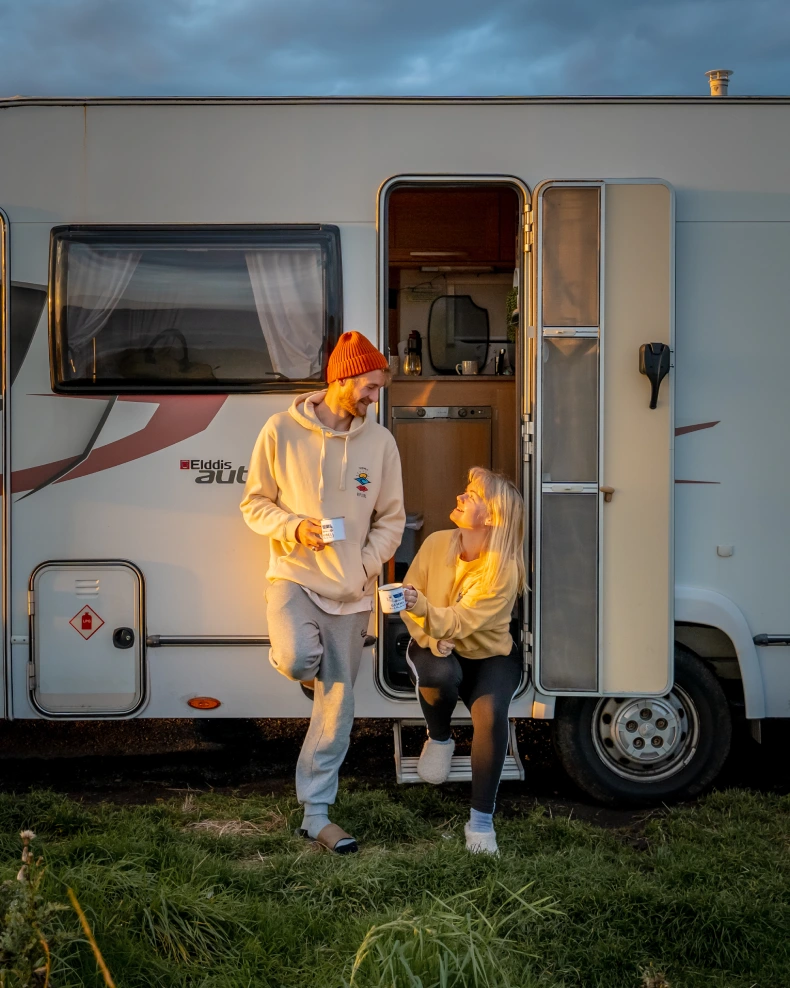
Going ‘van life’ on the Wild Atlantic Way is fantastic, but the logistics require a uniquely Irish twist. You’re not just driving a car; you’re often piloting your temporary home down roads designed for cows and donkeys, not domiciles! A campervan road trip can be the ultimate expression of freedom, but a bit of planning keeps the wheels turning smoothly.
Vehicle Height & Width Awareness
Many scenic roads have low stone bridges, overhanging trees, or extremely narrow pinch points in villages. Get to know your van’s exact height, width, and length – a laminated card with these dimensions visible on the dashboard can save you a very expensive and embarrassing manoeuvre. When faced with a questionable road, remember the local saying: “If in doubt, don’t chance it out!” The views are often just as good from the main R-road.
Water & Waste
The most challenging part of continuous campervan travel is managing resources. We recommend topping up water (and electricity!) every 2-3 days!
- Fresh Water: Finding water refill points outside of major campsites can be tricky: we always recommend topping up your tank when you find a designated facility. Some petrol stations, or even generous locals, may allow a quick top-up, but always ask politely first! Carry a dedicated, certified water hose.
- Grey Water (Sinks/Showers): Dispose of grey water only at designated points (Serviced Pitches or Service Areas). Draining it onto the side of the road or into fields is a major environmental no-no, especially in protected coastal areas.
- Chemical Toilet (Black Water): This is non-negotiable – it must be disposed of at dedicated chemical disposal points, usually found at campsites. Improper disposal is frowned upon and can quickly make life difficult for the local communities hosting you. Think of these three rules as the ultimate test of a responsible Wild Atlantic Way van-lifer.
On The Road
Finding Your Overnight Spot (Respectfully!)
While not officially sanctioned, wild camping is often tolerated in remote areas, provided you are respectful and leave no trace. Always seek permission on private land, and the ‘ask a local’ mentality can often unlock authentic, safe overnight stops.
- Pub/Farm Parking: Many rural pubs or farm shops allow overnight parking for campervans (often free or discounted if you dine/shop there). ALWAYS ask permission first. Support the business hosting you, and keep noise minimal. Leave absolutely no trace.
- Private Campsites/Parks: These are fully serviced, guaranteed spots, with access to all facilities (water, waste, electric hook-up). We recommend booking ahead in peak season. Try to arrive early, especially on weekends!
- Designated Council Parking: Some local councils offer specific, low-cost or free parking areas for self-contained motorhomes: check local council websites for these spots. These are usually basic (no hook-up) but legal and comfortable.
Fuelling Your Rig (and Yourself)
Running out of diesel or petrol in a remote part of Donegal is a mistake you only want to make once!
- The Quarter-Tank Rule: Never let your fuel gauge drop below a quarter tank. While main N-roads have ample service stations, the narrow, winding R-roads that lead to the best views often do not. The distances between reliable stations can be deceptively long!
- Service Station Etiquette: Irish service stations (often branded with names like Applegreen, Circle K, or local independent names) are often more than just a place to fill up: they are mini-supermarkets and coffee shops too! Fill up, grab a strong coffee, and check the notice board for local events.
- LPG/Autogas: If your campervan runs on LPG for cooking or heating, note that it is less common than in mainland Europe. Plan your refills carefully, often needing to rely on larger towns or cities like Galway, Cork, or Letterkenny. Always confirm availability before running empty.
Resupplying
The WAW offers two wonderful extremes for groceries: the massive, reliable supermarket shop and the tiny, hyper-local village store.
- Strategic Supermarket Runs: For your main, multi-day stock-up, aim for larger towns like Westport, Clifden, Kenmare, or Kinsale. Here you’ll find major chains (e.g., Tesco, Dunnes Stores, SuperValu, Aldi, Lidl) with excellent prices and selections. Use these stops to load up on staples, bread, milk, and that essential case of local craft beer.
- Embrace the Local Shop: The real charm – and often the best produce – is found in the small village shops. These are lifelines for their communities and a goldmine for travellers. Pop in for fresh eggs from a nearby farm, locally baked soda bread (often still warm), or a superb local baked treat! Supporting these small businesses is a vital part of the WAW experience.
- The Farmer’s Market Find: Keep an eye out for local farmers’ markets, particularly on weekends. They are the perfect place to grab fresh fruit, vegetables, handmade preserves, and, in coastal areas, incredibly fresh fish or smoked salmon. Ask a local pub owner for the nearest market schedule.
Beyond Food: Water and Essentials
- Drinking Water: While tap water in Ireland is generally safe, for campervans, rely on designated filling points at campsites or caravan parks to top up your main tank. For drinking, many travellers prefer to carry a few large, refillable bottles (or a filtration system) for day-to-day use.
- Laundry: Unless you are on a month-long trip, you won’t want to carry enough clothes for the whole journey. Public laundrettes are available in most larger towns, but some campsites also offer washing and drying facilities, which is often the most convenient option. Time your laundry stop with a nice pub lunch!
Ready to Take the Next Step?
You don’t need to have everything figured out at once. Start with a clear understanding of the route, choose a pace that feels comfortable, and build from there.
From here, you can: