
The NC500 - Practical Advice
The North Coast 500 (NC500) is a 516-mile journey through some of the most breathtaking, rugged, and historically rich landscapes the Scottish Highlands have to offer. Picture single-track roads winding past dramatic sea stacks, turquoise coves that look (but won’t feel) tropical, and looming mountains that could have been ripped straight from a fantasy novel.
But let’s be real, this isn’t a simple walk (or drive) in the park. To truly enjoy the NC500, especially if you’re taking a home-on-wheels, you need to be prepared. Understanding the route’s practicalities is key, and so this is your fun, factual, and authentic guide to making the most of this iconic Scottish adventure.
If you’re still deciding whether this route is right for you, start with our NC500 overview first.
If you’re ready to plan, you’re in the right place!
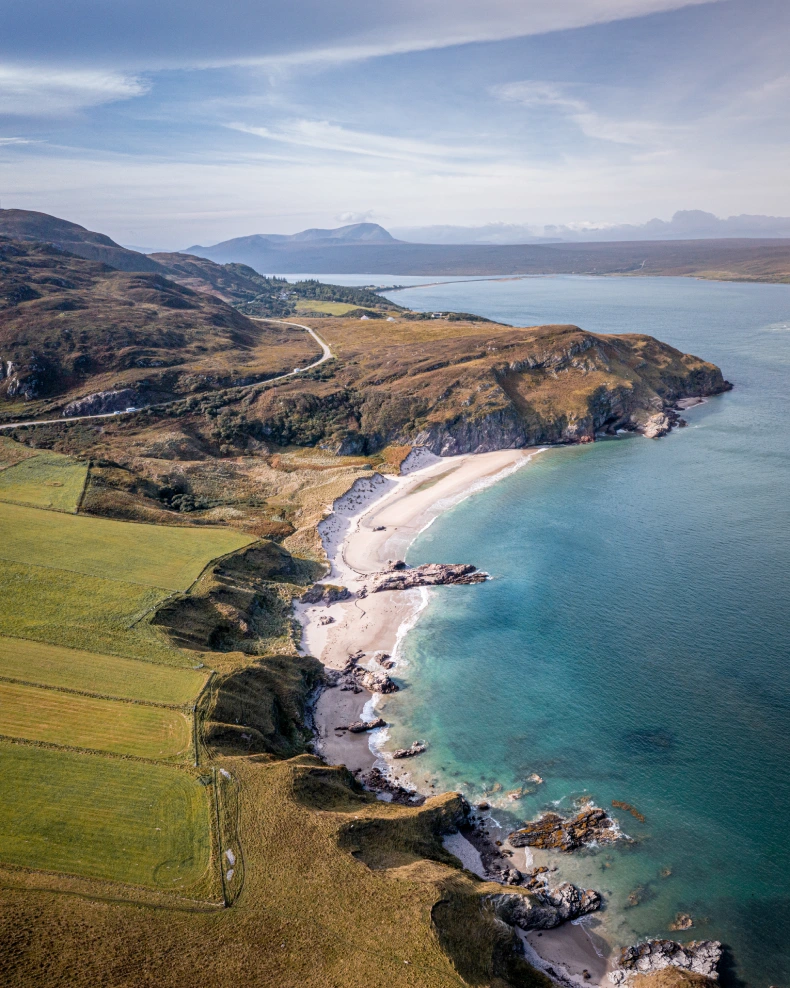
Things To Consider
- Fuelling Up: Fuel stations are scarce in the far north and west, so never let your tank drop below half full. Fill up in major towns like Inverness, Ullapool, Thurso, and Wick.
- Limited Connectivity: Mobile signal (especially 4G) can be patchy to non-existent in the most remote areas (e.g. Assynt, Wester Ross). Download maps (Google Maps, OS Maps) offline and let loved ones know your rough itinerary.
- Support Local Businesses: Make an effort to eat at local pubs, buy crafts from small galleries, and purchase produce from farm shops and honesty boxes. Tourism revenue needs to benefit the local economy directly, not just large corporate chains outside the region!
- Be Weatherproof: You can experience four seasons in a single hour, so pack for all eventualities: a waterproof jacket, fleece, sun cream, and sunglasses will all come in handy.
- Beware the Midges: Don’t underestimate Scotland’s infamous tiny, biting insect! Midges are most active at dawn and dusk, especially near water and in still air. Pack an industrial-strength repellent (Smidge is a personal favourite) and consider a midge net for sitting outdoors.
- Emergency Services: Keep the emergency number 999 (or 112) handy. Be aware of the nearest hospitals/doctors in larger towns (Inverness, Wick, Ullapool). In remote areas, it may take emergency services a long time to reach you, and be prepared to give accurate location coordinates if possible.
Respect the Land
This is the most crucial point – the Highlands are a fragile ecosystem, and the local communities are small. Endeavour to leave the NC500 better than how you found it!
Keep Gates Shut: Even if you don’t see any livestock, always close gates behind you to keep sheep and cattle contained.
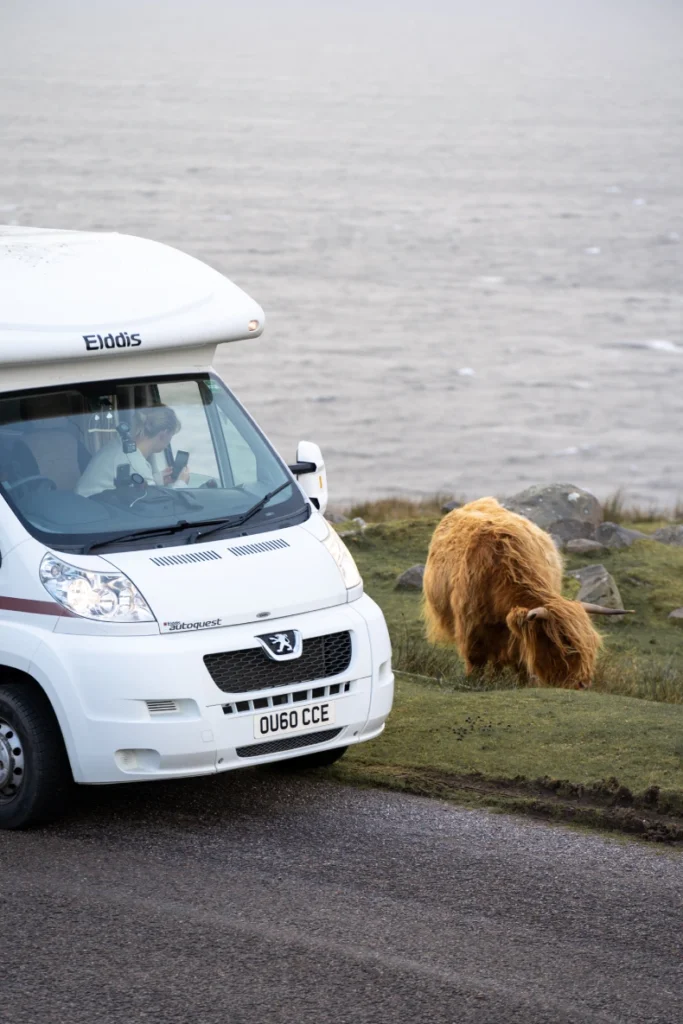
Drive Slowly: Sheep, deer, and Highland Cows often wander onto the road. Be ready to brake!
Don’t Litter: If you bring it in, take it out: leave the roadside pristine.
Money Matters: Cash or Card
While the UK is generally moving towards a cashless society, the remote nature of the North Highlands means that financial transactions remain a mix of modern convenience and traditional necessity.
- Card Payments: Most larger establishments, including hotels, major supermarkets (limited, but present), and petrol stations in the main towns (Inverness, Ullapool, Thurso), accept major debit and credit cards. However, outside of these towns, connectivity can be severely limited.
- The Necessity of Cash: It is highly recommended always to carry a small reserve of physical cash (suggested range: £50-£100). This is essential for:
- Honesty Boxes: Many small farms, craft stalls, and remote produce stands use unmanned ‘honesty boxes’ that are purely cash-based.
- Small, Independent Businesses: Very remote cafes, tiny local craft shops, mobile food vans, and community-run visitor centres often rely solely on cash transactions.
- Tipping: While not mandatory in Scotland, cash is the easiest way to leave a gratuity!
- ATMs/Cash Points: Access to cash points is sparse outside of the major hubs (Inverness, Tain, Wick, Thurso, Ullapool). Plan to withdraw sufficient cash before leaving Inverness or at a central town along the route to avoid long detours!
Timing and Seasonality
The summer season (June-August) offers the best weather and longest daylight hours, but also brings peak crowds and prices, making accommodation and restaurant bookings mandatory months ahead.
Many attractions – historic castles, smaller museums, visitor centres, and even some remote restaurants – have significantly limited operating hours or are closed entirely outside this core summer period. If travelling in the shoulder seasons (April-May or September-October), always meticulously check opening times online to avoid disappointment.
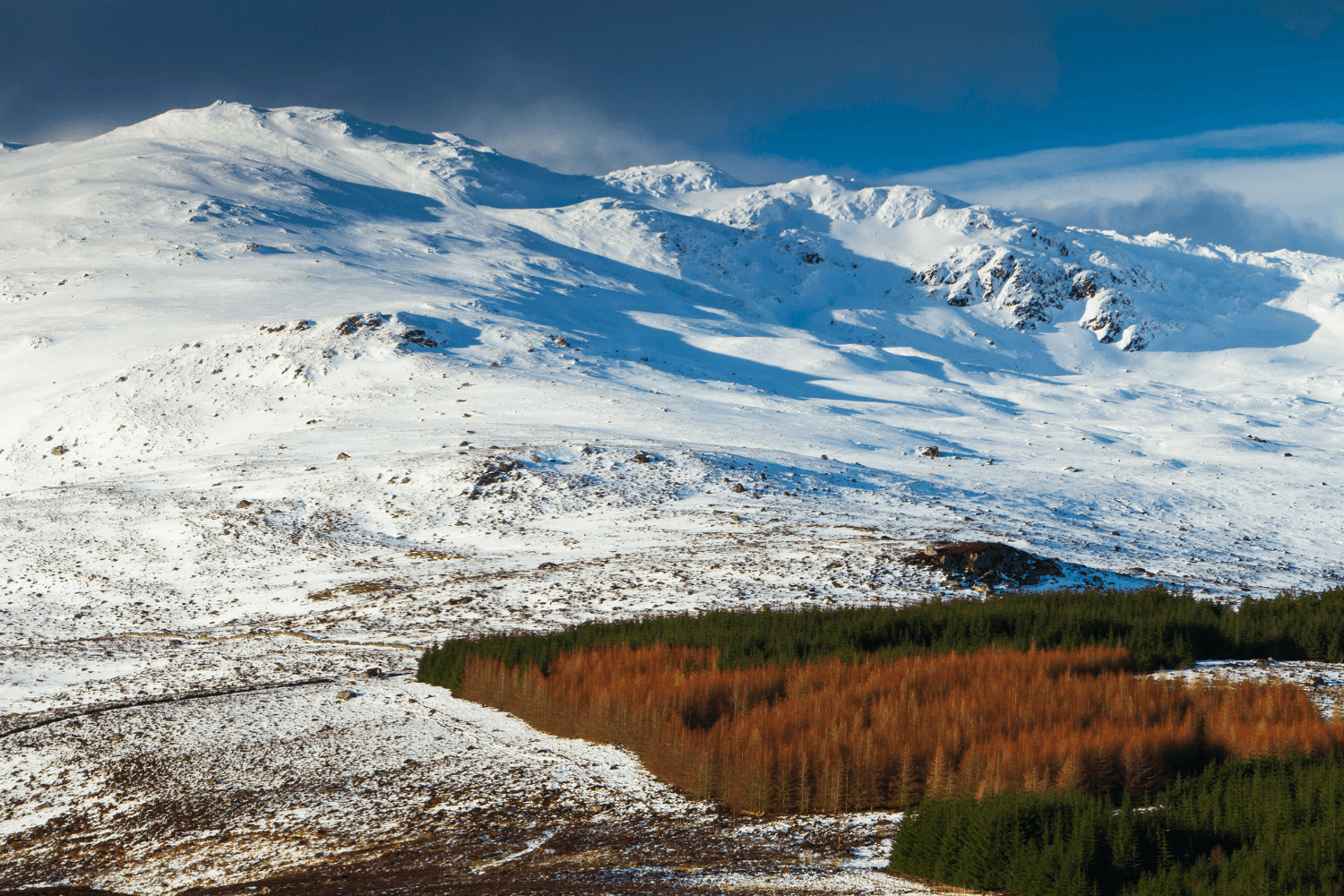
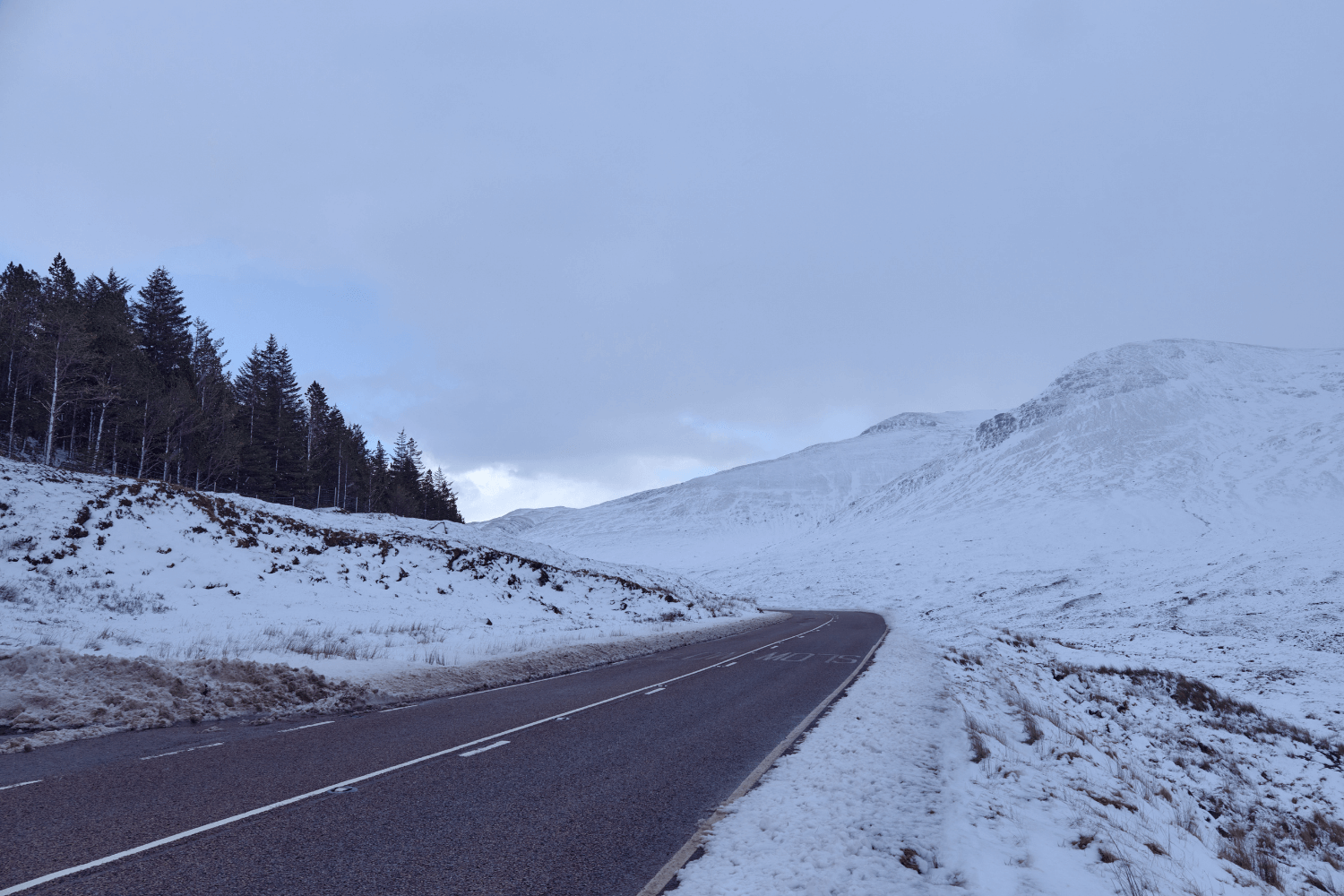
Travel during the off-season (November-March) is generally recommended only for seasoned travellers, as services are limited and the weather can be severe!

Campervan Tips
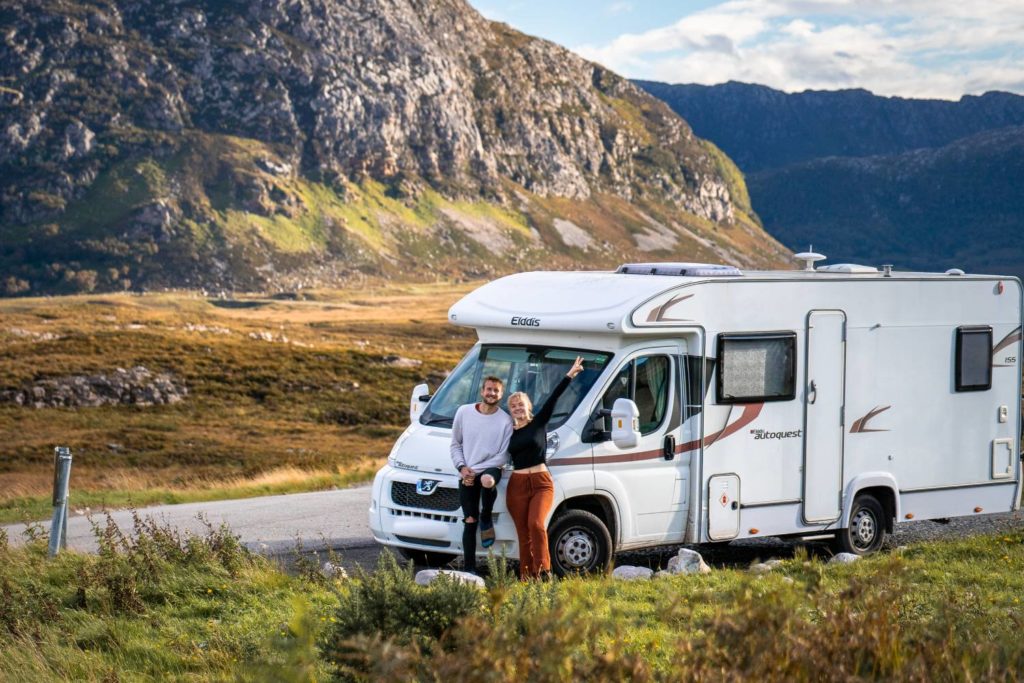
The NC500 is notoriously tricky for larger vehicles. Don’t let your trusty motorhome become a roadblock!
Know Your Limits
The route features significant sections of single-track roads with passing places. The most considerable risk is not knowing when to pull over!
- Larger Vehicles: If your vehicle is longer than 7 meters or wider than 2 meters (and this includes wing mirrors!), the official NC500 site strongly advises against taking the following sections:
- Bealach na Bà (Applecross): Famous for its steep gradients, hairpin bends, and sheer drops. It’s a challenging, rewarding drive, but not for beginners or behemoths: take the alternative A896 route!
- The B869 Drumbeg Loop: Tight corners and narrow sections make this slow-going and difficult for anything much bigger than a standard Transit van.
Stock Up
While supporting local is encouraged, relying solely on small village shops for a long trip is impractical. In most campervans and motorhomes, you will have ample shelf and fridge space – resupply in major towns (Inverness, Ullapool, Wick) if self-catering, as more remote village shops can have limited and expensive stock.
Single-Track Etiquette
Scottish road etiquette is based on mutual respect.
- Use Passing Places: These are not parking spots but are pull-ins marked by a small black-and-white pole.
- Pass on the Left: If the passing place is on your left, pull into it to let oncoming traffic pass.
- Pass on the Right: If the passing place is on your right, stop opposite it and let the approaching vehicle use it.
- Give a Wave: A quick raised hand to say thank you is the norm. It’s the Scottish way!
Dealing with Waste
The NC500 traverses some of Europe’s most pristine landscapes, including National Scenic Areas. Proper waste management is not just a courtesy; it is a critical responsibility for all visitors to preserve the route’s natural beauty and support the delicate local infrastructure.
- Grey Water: This is the water expelled from sinks, showers, and occasionally washing machines in caravans or motorhomes. It contains soap, grease, and chemicals that harm waterways and soil. Never dump grey water directly onto the ground near rivers, lochs, or drainage ditches.
- Best Practice: Utilise designated greywater disposal points, which are primarily located at established campsites, caravan parks, or official motorhome service points. Plan your route to ensure regular access to these facilities.
- Black Water (Toilet Waste): Must only be emptied at Chemical Disposal Points (CDPs) or sluices found at certified campsites. Improper disposal is illegal, highly unsanitary, and severely contaminates the environment.
- Litter: Carry robust, sealed bin bags (for both general waste and recycling) in your vehicle. Crucially, do not rely on the small public bins in villages or lay-bys; these are primarily for local use and become quickly overwhelmed. Take all rubbish with you until you find a large, designated public bin in a town, or utilise the waste facilities provided by your campsite or booked accommodation.
Want Help Planning Your Trip?
If you’d like a second opinion or help tailoring the route to your exact needs, we offer personalised trip planning calls.
These are ideal if:
It’s your first time on the route
You’re short on time
You’re travelling by campervan
You want reassurance before booking
You’ll speak directly with people who’ve driven the NC500 themselves and understand what works in practice – not just in theory.
👉 Book a planning call
Ready to Take the Next Step?
You don’t need to have everything figured out at once. Start with a clear understanding of the route, choose a pace that feels comfortable, and build from there.
From here, you can: