Plan Your SWC300 Road Trip
Planning the South West Coastal 300 (SWC300) road trip can feel daunting at first. There’s a lot of information online, plenty of opinions, and no shortage of suggested itineraries – many of which try to cram far too much into too little time.
This page is here to simplify the process.
Rather than throwing you straight into a rigid day-by-day plan, we’ll walk through how to plan the SWC300 properly – helping you make the key decisions that shape a great trip, avoid common mistakes, and choose the approach that suits you.
If you’re still deciding whether this route is right for you, start with our SWC300 overview first. If you’re ready to plan, you’re in the right place.
How the SWC300 Really Works
The South West Coastal 300 isn’t a road trip that rewards rushing. On paper, daily driving distances can look manageable – but in reality, road conditions, scenery, weather and unexpected stops all slow things down.
This 300-mile circular route, looping through Dumfries & Galloway and South Ayrshire, is a medley of lush, verdant landscapes, hidden history, and arguably the warmest welcome you’ll find in Scotland. Whether you’ve got a month to fill or a long weekend to kill, the SWC300 is so full of hidden secrets and surprising detours that planning the basics is paramount.
Planning the SWC300 well is less about creating a perfect itinerary and more about understanding:
How long you actually need
Where flexibility matters
What’s worth booking in advance
What’s better left open
Once you understand how the route flows, the rest becomes much easier.
Choosing the Right Itinerary
Once you understand the basics of the route, choosing an itinerary becomes much simpler.
Our itineraries are designed to:
Reflect realistic driving days
Incorporate flexibility
Suit different timeframes and travel styles
Rather than forcing you into a one-size-fits-all plan, they give you a solid structure you can adapt as you go.
How Long Should You Allow for the SWC300?
One of the biggest planning decisions is how much time to give the route.
As a general guide:
Fast Pace (3 Days)
- The Goal: You are here to drive, see the major sights, and get back to reality. Choose this if your time is constrained but your need for adventure is high.
- The Experience: High-intensity, high-reward. You will spend most of your time behind the wheel, focusing on one half of the route, or blasting through the whole thing as fast (and safely) as possible.
- The Merit: Ideal for those who need a quick, sharp reset from city life. You will see the main highlights, snap the photos, and get a taste of the coastal air, but you will miss the immersion and opportunities for the endless detours.
Moderate Pace (7 Days)
- The Goal: You want to see the diversity of the landscape, from the Solway coast to the Ayrshire clifftops, while maintaining a relaxed pace.
- The Experience: This timeframe is ideal for many. A week allows you to complete the full 300-mile loop without rushing, giving you time to actually step out of the vehicle.
- The Merit: You have enough time to visit specific points of interest – like Galloway Forest Park for stargazing, the beaches of the western peninsulas and Wigtown’s famous bookshops – without looking at your watch. You can mix scenic driving with hiking, distillery tours, and leisurely pub lunches.
Slow Pace (14+ Days)
- The Goal: You are here to peel back the layers of this unsung circuit – this is for the traveller who values depth over distance.
- The Experience: Total immersion. In two weeks, you move from “tourist” to “insider”!
- The Merit: This timeframe allows for spontaneity. You can take a detour to the local brewery, spend a full weekend exploring the Galloway Forest trails, or just linger by the coast an extra day because you adore the view. You can engage with the local community, explore local historical spots, and fully indulge your need for adventure.
If there’s one piece of advice we give again and again, it’s this:
Slower travel almost always leads to a better experience!
Choosing the Right Direction & Pace
Depending on the route, you may have options around:
Direction of travel
Starting point
Clockwise vs anti-clockwise flow
While there’s no single “correct” way to do the SWC300, certain approaches work better depending on:
Traffic patterns
Ferry timings (if applicable)
Seasonal daylight
Your travel style
This is where a little planning up front can save a lot of frustration later!
In Need of a Scottish Steed?
Campervan or Car: What Works Best on the SWC300?
The SWC300 can be done by both car and campervan, but the experience differs.
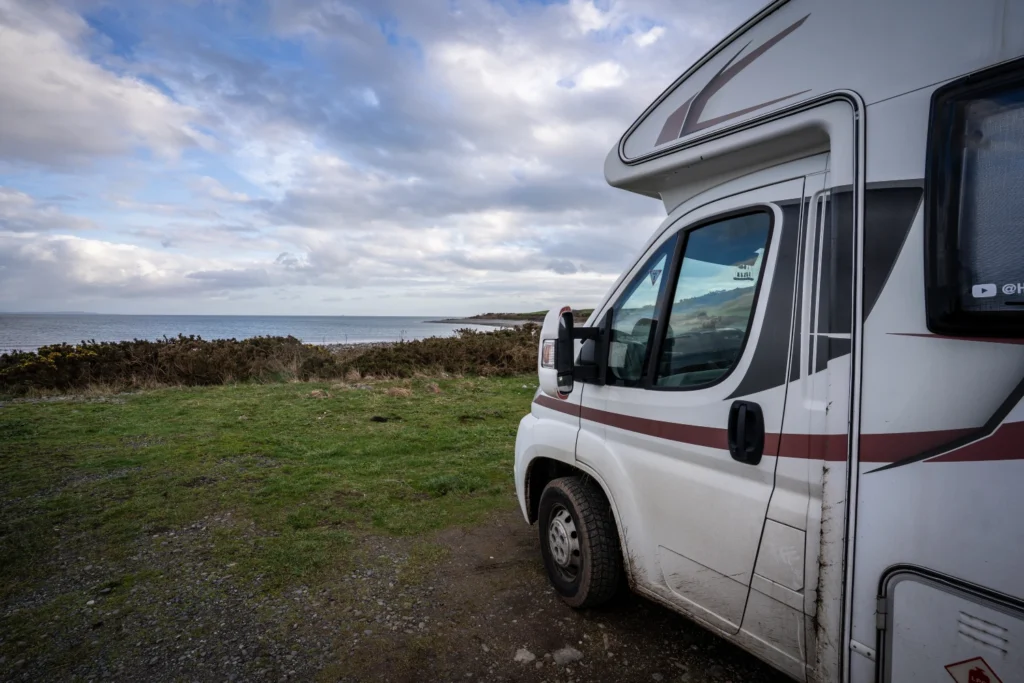
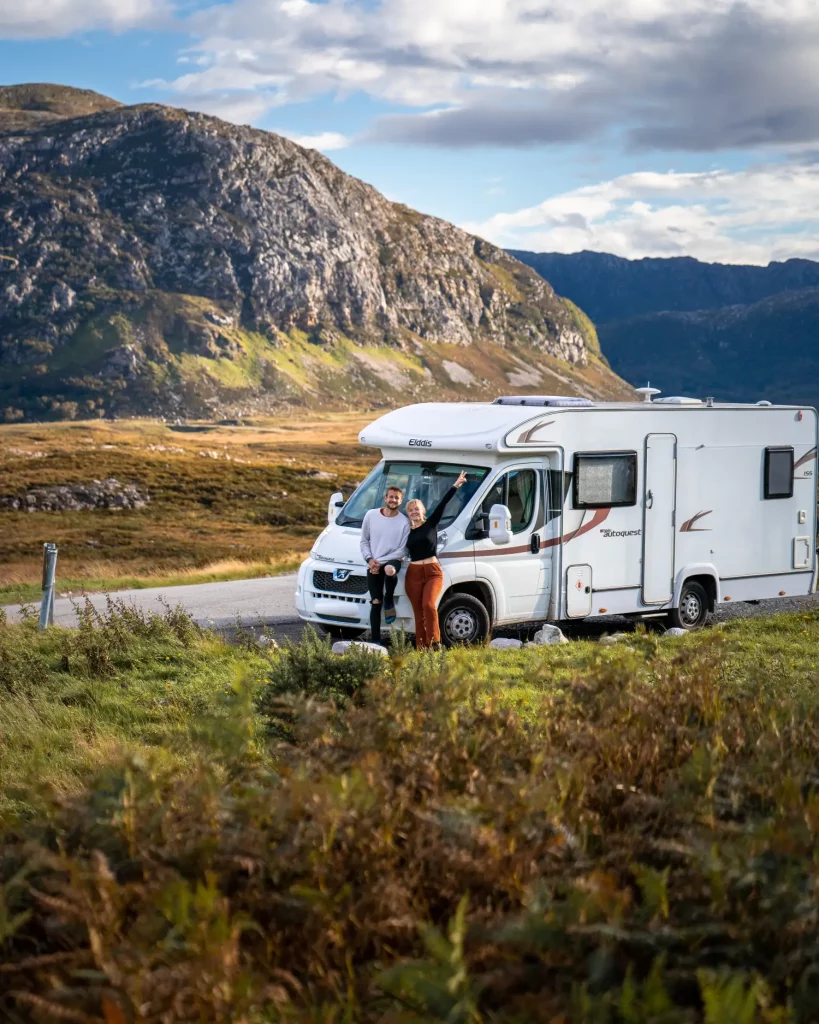
Travelling by Campervan
Campervan travel suits the SWC300 well if you value:
- The Mobile Advantage: You have your kitchen, bedroom, and living space with you. No need to pack/unpack at every stop, and you can make a coffee anywhere you park!
- Close to Nature: You can wake up next to a forest, castle ruin or beach, maximising your time in the outdoors.
- Flexibility: If you find a spot you love, you can stay. You aren’t tied to hotel check-in times!
However, it does require more awareness of:
- Vehicle Size: The SWC300 involves narrow country lanes and single-track roads, particularly in the Rhins of Galloway; large vehicles require significant driver confidence and careful route planning.
- Infrastructure Dependence: You must plan your stops based on waste disposal, water, and parking availability (using apps like Park4Night is essential). Strict adherence to the Scottish Outdoor Access Code (SOAC) is crucial.
- Pacing: You move slower. This isn’t a negative, but it is a logistical reality!
Travelling by Car/Motorcycle
Travelling by these offers:
- Agility/Speed: You can navigate every single-track road, sharp bend, and narrow coastal lane without a second thought. You have access to parts of the route – and local parking spots – that large motorhomes simply cannot reach.
- Speed: You have more time to spend at destinations because you are not managing vehicle logistics (dumping tanks, levelling the van, finding height-restricted parking).
- Guesthouse/Hotel Access: You can enjoy the full range of the region’s hospitality, from historic inns to high-end B&Bs, without needing a parking bay big enough for a bus!
It does, however, reduce:
- Spontaneity: You must stick to a schedule of checking in and out of accommodations, which can feel less spontaneous.
- Your Budget: You lose the ability to pull over for a homemade lunch or a sunset dinner by the coast; you are reliant on finding cafes or packing a picnic.
- Packing Space: If you are packing for two weeks, your vehicle will be tighter than a campervan, so you will need smarter gear management.
What You Actually Need to Plan in Advance
You don’t need to book every night or activity before you leave. In fact, over-planning often makes trips more stressful.
What is worth thinking about early includes:
Overall trip length
Vehicle choice
Accommodation strategy during busier periods
Any must-do experiences
Everything else can usually stay flexible, especially if you’ve chosen a realistic pace!
Common Mistakes People Make on the SWC300
After years of travelling this route and speaking to people who’ve done it, the same issues come up again and again:
Trying to cover too much ground
Underestimating driving times
Booking accommodation too rigidly
Not allowing for weather changes
Choosing an itinerary that doesn’t match their travel style
Being aware of these pitfalls before you go can completely change how your trip feels.
Ready to Take the Next Step?
You don’t need to have everything figured out at once. Start with a clear understanding of the route, choose a pace that feels comfortable, and build from there.
From here, you can:
👉 Explore our SWC300 Itineraries