
The SWC300 - Your Campervan Guide
If you are looking for an escape that swaps traffic jams for rugged coastlines, ancient forests, and quiet solitude, it is time to turn your attention to the South West Coastal 300 (SWC300). This 300-mile circular route, carving through Dumfries and Galloway, is the perfect antidote to the busier routes: it is a land of legendary castles, wondrous wildlife, and sweeping seascapes – the perfect sandbox for a campervan trip!
It’s always important to plan for Scottish road trips, and while the SWC300 does not yet draw the crowds of the North Coast 500 (NC500), it still has its own list of dangers, considerations, and obstacles to consider.
If you’re still deciding whether this route is right for you, start with our SWC300 overview first.
If you’re ready to plan, you’re in the right place.
Planning Your SWC300 Campervan Trip
The beauty of the SWC300 is its flexibility. Because it is a loop, you can start anywhere – though Dumfries and Ayr are popular gateways due to their access to the M74 and M77. However, before you hit the road, there are a few logistical realities to square away.
Know Your Vehicle
- Vehicle Size: While major arterial roads are wide and well-maintained, the route takes you into narrow coastal tracks and country lanes – particularly around the Rhins of Galloway or Galloway Forest Park. Be realistic about your vehicle’s width – if you are driving a large motorhome, stick to the main routes and plan your detours carefully.
- The Rule of Fuel: Long stretches, especially in the central and coastal regions of Dumfries & Galloway, have very limited access to fuel. If you see a fuel station and you are at or below half a tank, fill up.
Water, Waste, and Wild Camping
The SWC300 is becoming increasingly welcoming, but you must respect the infrastructure.
- Use Designated Stops: “Wild camping” in a vehicle is not the same as the “Right to Roam” (more on that later). Use official campsites, certified motorhome stopovers, or Forestry and Land Scotland’s (FLS) ‘Stay the Night’ scheme. For a small fee, this scheme allows access to dozens of forest parking spots across the country.
- Use the Apps: Download apps like Park4Night to find verified stopovers with facilities.
- Waste Disposal: Never dump grey or black water anywhere except at designated disposal points. Many campsites and some overnight Aires offer these facilities. If your van isn’t self-contained, prioritise campsites that offer full showers and waste amenities.
Connectivity
Phone reception is famously variable, especially in the deeper swathes of the Forest Park and the farthest ends of the western peninsulas.
- Don’t Rely on 5G: While towns like Ayr, Dumfries, and Stranraer have strong coverage, once you hit the narrow coastal roads or the Galloway Hills, the signal drops off.
- Download Offline: Download your maps (Google Maps) and any essential booking confirmations before you leave your last Wi-Fi zone.
- Embrace the Disconnect: View the lack of signal as a feature, not a bug. It’s the perfect excuse to switch off!
In Need of a Scottish Steed?
The SWC300: Route Awareness
The Art of the “Passing Place”
One of the most vital skills for driving in rural Scotland is mastering the passing place. These frequent, marked road widenings are not just for you to pull over and take photos; they are part of the road etiquette.
- Be Aware: If you see an oncoming vehicle in the distance, look to stop at your side of the next passing place you encounter. Do not stop in the middle of the road.
- Be Considerate: If you are driving slowly to soak in the views, be a considerate traveller. If you see a vehicle behind you, pull into a passing place to let it overtake – locals live, work, and drive here daily! Your scenic route is their commute, so be kind to those just trying to go about their day.
- Be Courteous: You might notice a friendly wave from other drivers, especially when passing on rural roads. It’s a common courtesy, a quick acknowledgement of each other’s presence on the route. Be sure to return it!
Navigating the Terrain
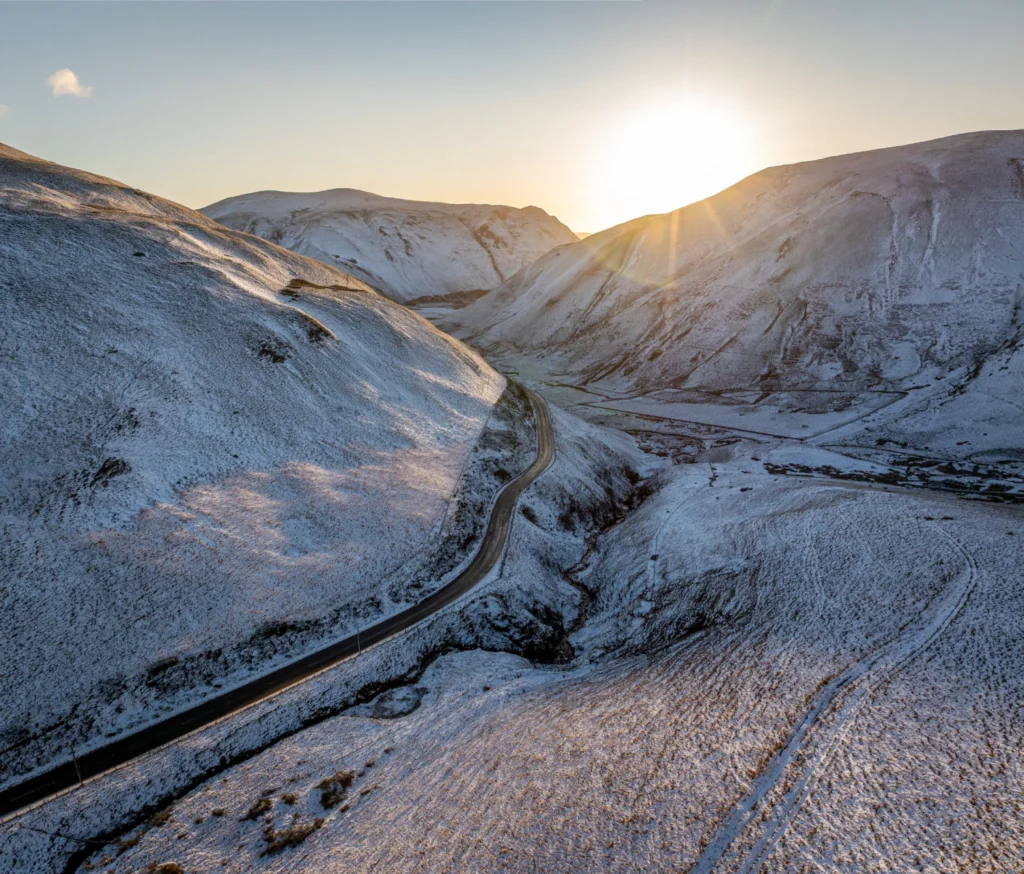
- Be Prepared: The SWC300 transitions from coastal plains to the granite peaks of the Galloway Hills. Keep an eye out for sharp bends, steep inclines, and blind summits.
- Wildlife: Livestock – especially sheep and cattle – frequently wander onto unfenced sections of the road. Always drive at a speed that allows you to stop safely around a corner.
The SWC300: Legal Considerations
There is a common misunderstanding among visitors regarding Scotland’s “Right to Roam” (the Land Reform Act). While this law grants fantastic access to land for non-motorised recreation (walking, cycling), it absolutely does not grant a free-for-all for campervans and motorhomes to park anywhere they please.
The “Leave No Trace” Principle
If you want to keep the SWC300 welcoming for years to come, follow these rules:
- Respect the Land: You cannot pull over into a field, at a farmer’s gate, or at a quiet beachside spot to set up camp for the night. This is often illegal and damages the fragile environment you came to enjoy.
- Leave No Trace: Whether you are at a high-end campsite or a basic forest stopover, leave the environment exactly as you found it (or better). If there is no bin, take your rubbish with you. Follow the Scottish Outdoor Access Code.
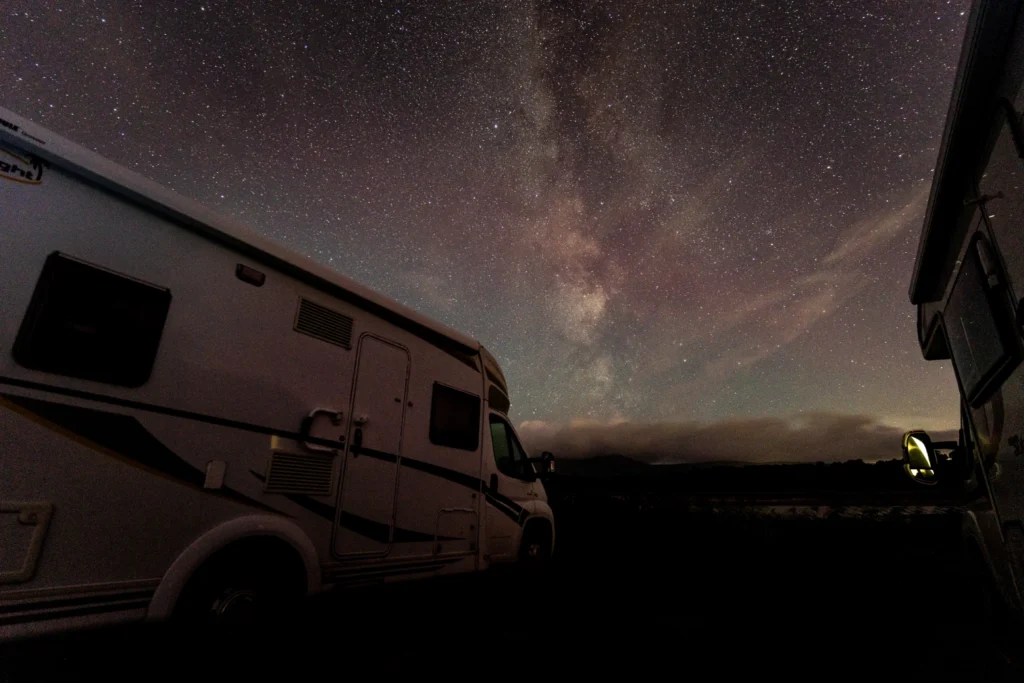
- Respect the Season: The SWC300 is a year-round destination, but seasons dictate your experience. Autumn and winter offer spectacular stargazing in the Galloway Forest Park (the UK’s first Dark Sky Park), but require extra caution due to ice. If you are travelling in the colder months, ensure your van is winter-ready.
The SWC300: Local Customs
This region relies on tourism, but it also maintains a strong local character.
- Shop Small: Buy your bread at the independent bakery in the village rather than a supermarket chain if you can.
- Visit the Artisans: Stop in Wigtown (Scotland’s National Book Town) to lose yourself in dozens of second-hand bookshops. Visit independent distilleries or breweries such as Bladnoch or Five Kingdoms and get a proper local welcome!
- Honesty Boxes: Keep an eye out for roadside “honesty boxes.” Run by local farmers, these are the best way to get fresh eggs, seasonal jams, and homemade crafts. It is a trust-based system – put your cash in the box and take your pick!
Want Help Planning Your SWC300 Trip?
If you’d like a second opinion or help tailoring the route to your exact needs, we offer personalised trip planning calls.
These are ideal if:
It’s your first time on the route
You’re short on time
You’re travelling by campervan
You want reassurance before booking
You’ll speak directly with people who’ve driven the SWC300 themselves and understand what works in practice – not just in theory!



Ready to Take the Next Step?
You don’t need to have everything figured out at once. Start with a clear understanding of the route, choose a pace that feels comfortable, and build from there.
From here, you can: