
The SWC300 - Practical Advice
The South West Coastal 300 (SWC300) is a launchpad for adventure: dark sky reservoirs, ancient castle ruins, wind-ruffled mountain lochs and scenic coastal roads will make you feel like this underrated corner of Scotland was crafted just for you. The sheer abundance of cultural gems, quirky attractions and adrenaline-spiking activities ensures that every day on the road is rife with opportunity.
The great appeal of the SWC300 for visitors is its penchant for spontaneity, but before you hit the ignition, there are a few logistical realities to square away. Unlike some of Scotland’s more famous, fully signposted routes, the SWC300 is an exciting endeavour that requires a wee bit of pre-planning.
If you’re still deciding whether this route is right for you, start with our SWC300 overview first.
If you’re ready to plan, you’re in the right place!
Things to Consider
Important Tips
- Route Awareness: The SWC300 is not a single, continuous coastal road like the NC500 – you will be navigating a mix of different tracks, country lanes, and main arterial roads as you travel. Do not simply type your final destination into Google Maps and expect the best route – it will take you the quickest way, likely skipping the scenic coastal loops!
- Connectivity: Always download your offline maps (Google Maps) and any essential booking confirmations – you never know when you’ll find WiFi next!
- Fuel Up: Long stretches, especially in the central and coastal regions of Dumfries & Galloway, have limited access to fuel. Do not bank on finding a “cheaper” station 50 miles down the road – you might end up stranded in a stunning but remote glen!
- Emergency Services: Keep the emergency number 999 (or 112) handy. Be aware of the nearest hospitals/doctors in larger towns (Dumfries, Ayr, Stranraer). In remote areas, it may take emergency services a long time to reach you, and be prepared to give accurate location coordinates if possible.
- Book Ahead: Especially in peak summer, accommodation and popular campsites can fill up. Book your stays in advance to avoid being stranded.
The SWC300: What to Pack
Everyone has heard of the infamous Scottish weather – you might experience all four seasons before lunch, which is exactly why it’s important to layer up. Be prepared for the elements so you can focus on the scenery rather than your chattering teeth!
Clothing (The Essentials)
- Base Layers: Moisture-wicking tops are essential.
- Mid-Layers: A warm fleece or wool jumper.
- Outer Shell: A high-quality waterproof jacket is non-negotiable. Even on a “sunny” day, the coast can get misty and damp.
- Footwear: Sturdy, waterproof hiking boots are vital for exploring places like the Rhins or the forest trails of Galloway Forest Park.
Tech & Navigation
- Power Bank: Do not rely on your car’s USB port; keep a fully charged power bank for your phone, especially since you will be using GPS/maps constantly.
- Physical Map: A physical road map is a classic backup that never runs out of battery.
- Camera Gear: Bring a tripod if you plan to capture the stunning night skies of the Galloway Forest Dark Sky Park.
Health & Safety
- Reusable Water Bottle: Stay hydrated and avoid plastic waste.
- First-Aid Kit: A small, basic kit for blisters or minor scrapes is smart for coastal hikes.
- Sunscreen: Yes, really! The Scottish sun, though elusive, is effective when reflected off the water.
- The “Midge” Defence Kit: If you are visiting in July or August, be prepared for the biting wee creatures: pack a midge net and a high-quality repellent like Smidge. They love damp, forested areas, so be extra cautious if you are planning woodland walks during peak summer.
The SWC300: Respect the Land
The SWC300 is an authentic, peaceful experience. The best way to enjoy it is to slow down, engage with the community, and Leave No Trace.
- Stay The Night: “Wild camping” in a vehicle is not the same as the “Right to Roam” (which applies to non-motorised access). Always use official campsites, certified motorhome stopovers, or Forestry and Land Scotland’s (FLS) “Stay the Night” scheme.
- Waste Disposal: Never dump grey or black water anywhere except at designated disposal points, such as campsites.
- Support Small: Whether it’s a warm pie from a local bakery, a single malt from a distillery, or a box of eggs from a roadside stall, spending your money at local independent businesses keeps these areas thriving.
- Respect the Dark: If you’re visiting the Galloway Forest Park, keep light pollution to a minimum. Use red-light torches if you have them, and enjoy the 7,000+ stars visible on a clear night.
- Vehicle Size: The route takes you into narrow coastal tracks and country roads, so be realistic about your vehicle’s width. If you are driving a large motorhome, stick to the main routes and plan your detours carefully.
In Need of a Scottish Steed?
The SWC300: Local Insights
Single-Track Etiquette
Scottish road etiquette is based on mutual respect.
- Use Passing Places: These are not parking spots but are pull-ins marked by a small black-and-white pole.
- Pass on the Left: If the passing place is on your left, pull into it to let oncoming traffic pass.
- Pass on the Right: If the passing place is on your right, stop opposite it and let the approaching vehicle use it.
- Give a Wave: A quick raised hand to say thank you is the norm. It’s the Scottish way!
When to Visit
Summer (July–August): This is the peak season: expect warmer days, long evenings, busy roads and crowded sites. Be prepared for midges. Booking well in advance is essential during these months, as popular locations fill up quickly.
Shoulder Seasons (May–June, September–October): You will enjoy thinner crowds, vibrant scenery, more manageable weather and (hopefully) zero midges. Accommodation and campsites may be quieter, though you should still pack layers for exploring on those crisp Scottish days.
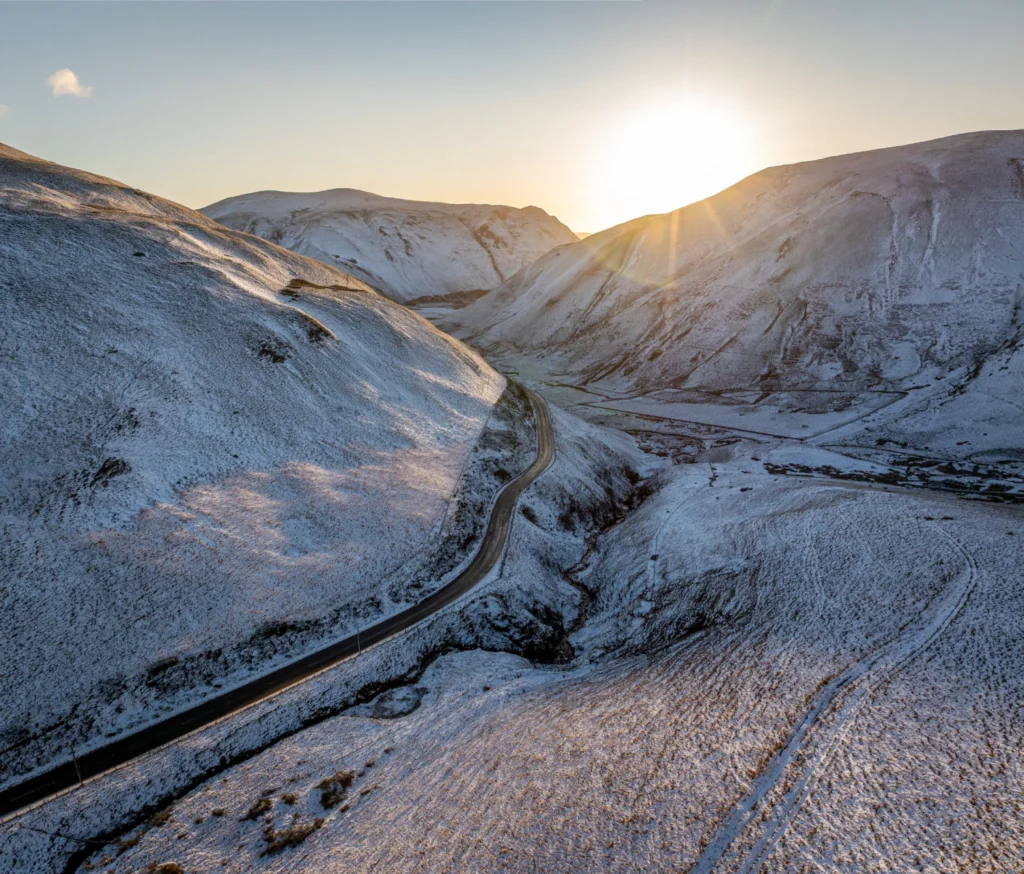
Winter: While some attractions may have limited hours, you will have the landscapes largely to yourself – perfect for those seeking true solitude and dramatic, moody photography. You may experience frost, ice, or even a dusting of snow, so always check road conditions before setting off. However, the SWC300 is often a safer winter bet than northern routes, as the weather is generally less fierce here than in the Highlands.
Want Help Planning Your Trip?
If you’d like a second opinion or help tailoring the route to your exact needs, we offer personalised trip planning calls.
These are ideal if:
It’s your first time on the route
You’re short on time
You’re travelling by campervan
You want reassurance before booking
You’ll speak directly with people who’ve driven the SWC300 themselves and understand what works in practice – not just in theory!

Ready to Take the Next Step?
You don’t need to have everything figured out at once. Start with a clear understanding of the route, choose a pace that feels comfortable, and build from there.
From here, you can: