
Plan Your Road Trip
Planning a road trip should feel exciting, not overwhelming. Whether you’re dreaming of coastal drives, mountain roads or slower, experience-led travel, the key to a great road trip isn’t packing in as much as possible. It’s choosing the right route, the right pace, and the right expectations.
This page is designed to help you plan a road trip step by step. Rather than diving straight into detailed itineraries, we’ll guide you through the core decisions that shape a successful trip, then point you to the right next stage, whether that’s choosing a route, building an itinerary, or getting personalised help.
If you already know exactly where you’re going, you may want to explore our road trip routes instead. If you’re still working things out, start here.
Step 1: Decide Where You Want to Go
The first and most important decision is choosing the region or country you want to explore. Every destination offers a very different kind of road trip – from long-distance coastal routes to compact scenic loops.
Start by browsing our road trips by country:
Scotland Road Trips – Dramatic landscapes, quiet roads, and some of Europe’s most iconic routes
Ireland Road Trips – Rugged Atlantic coastlines, colourful villages and culture-rich drives
England Road Trips (coming soon) – National parks, historic coastlines and varied scenery
Wales Road Trips (coming soon) – Compact distances with big landscapes and coastal routes
Spain Road Trips (coming soon) – Longer, warmer journeys combining coast, mountains and culture
You don’t need to choose a specific route yet — simply narrowing down the region makes the rest of the planning far easier.
👉 Explore road trips by destination

Step 2: Decide How Much Time You Have
How much time you can give a road trip will shape everything else – from the route you choose to how relaxed the journey feels.
As a general guide:
Short trips (3–5 days) work best in compact regions or on island routes
One-week trips (5–7 days) allow for a balanced pace without rushing
Longer trips (10–14+ days) are ideal for slower travel, weather flexibility and deeper exploration
One of the most common planning mistakes is trying to cover too much ground. In road trip travel, fewer miles often lead to a better experience — more stops, more flexibility, and less time spent watching the road.
Once you know your timeframe, you’ll be able to narrow down which routes realistically fit.
Step 3: Decide How You Want to Travel
Your travel style has a big impact on how you plan your trip and what kind of experience you’ll have.
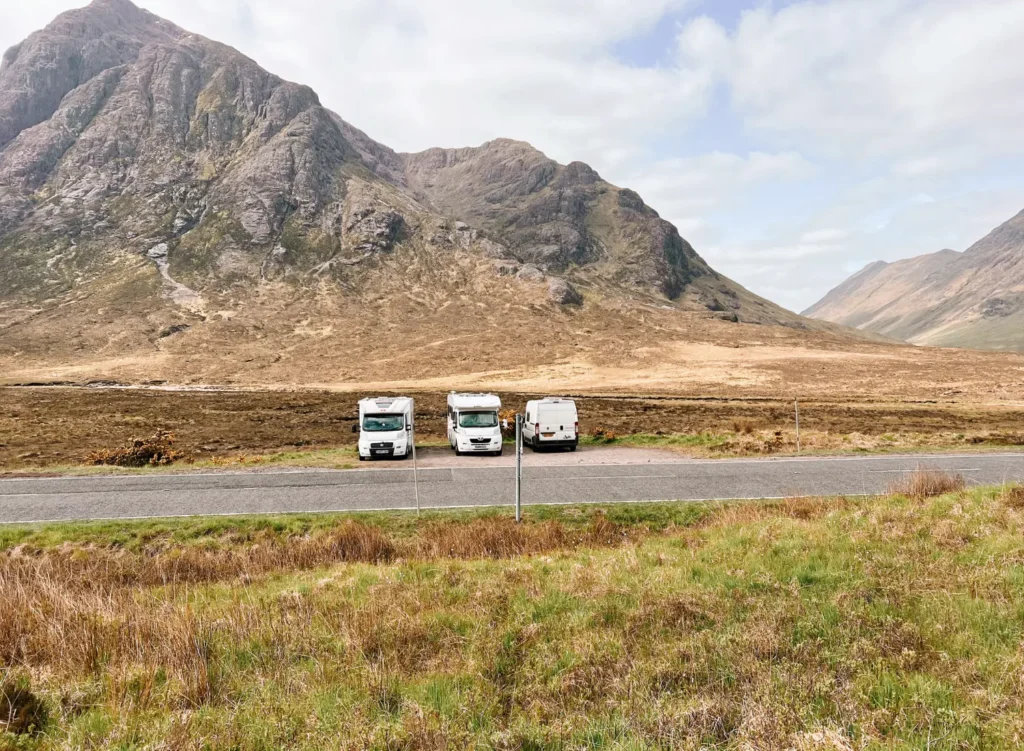
Travelling by Campervan
Campervan travel offers maximum flexibility. You can adapt plans around the weather, stay closer to nature, and avoid being tied to fixed accommodation. It works particularly well in regions with strong camping infrastructure and scenic, slower-paced routes.
👉 Learn about campervan hire
Travelling by Car
Travelling by car suits those who prefer hotels, B&Bs or fixed accommodation. Planning tends to be more structured, but parking and access are often easier in towns and villages.
Travelling by Motorcycle
Motorcycle road trips are all about the driving experience. Weather, wind and road conditions play a bigger role, so building buffer days into your plan is especially important.
There’s no right or wrong option – the best choice is the one that fits your comfort level and travel priorities.
Step 4: Think About When to Go
Seasonality matters more on a road trip than on most other types of travel. Weather, daylight hours, opening times and traffic levels can all change how far you’ll realistically want to travel each day.
At a high level:
Peak seasons often bring better weather but more crowds
Shoulder seasons can offer quieter roads and more flexibility
Shorter daylight hours require more conservative daily plans
When planning, it’s worth considering not just where you want to go, but when that destination works best.
👉 Read seasonal road trip planning advice
Step 5: What’s Actually Worth Planning in Advance
You don’t need a minute-by-minute itinerary to have a great road trip. In fact, overplanning often makes trips feel stressful rather than enjoyable.
What is worth thinking about early includes:
Your general overnight strategy (fixed accommodation vs flexibility)
Vehicle choice or campervan hire
Any key experiences you don’t want to miss
Ferry crossings, if your route includes islands
Awareness of food, fuel and resupply points in remote areas
Everything else can usually stay flexible, especially once you’ve chosen the right route and pace.
Pulling Your Trip Together
At this stage, you should have a clearer idea of:
Where you want to go
How long you have
How you want to travel
From here, you can choose how much support you want:
Explore specific road trip routes
View example itineraries
Buy a detailed travel guide
Hire a campervan
Get personalised planning help
👉 Explore road trip routes
👉 View travel guides

Want Help Planning Your Road Trip?
If you’d like a more tailored approach, we offer one-to-one trip planning calls. These are ideal if you’re short on time, planning your first major road trip, or choosing between multiple routes.
You’ll speak directly with people who’ve spent years travelling by road across the UK and Europe — helping you shape a trip that fits your time, travel style and priorities, rather than forcing you into a generic itinerary.
👉 Book a trip planning call
Not Sure Where to Start?
If you’re still undecided, that’s completely normal. The best road trips aren’t rushed, they’re chosen thoughtfully.
You can:
Browse our road trip destinations
Read planning advice and seasonal guides
Start with inspiration and refine your plans over time
👉 Explore all road trips