
Overview of the Wild Atlantic Way

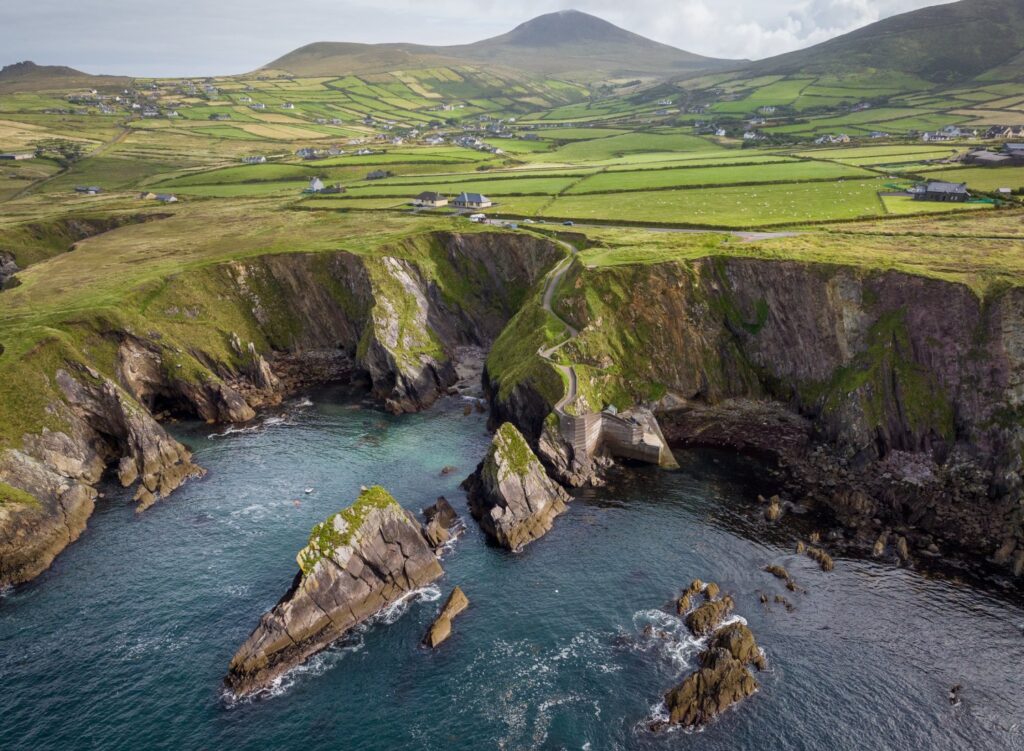
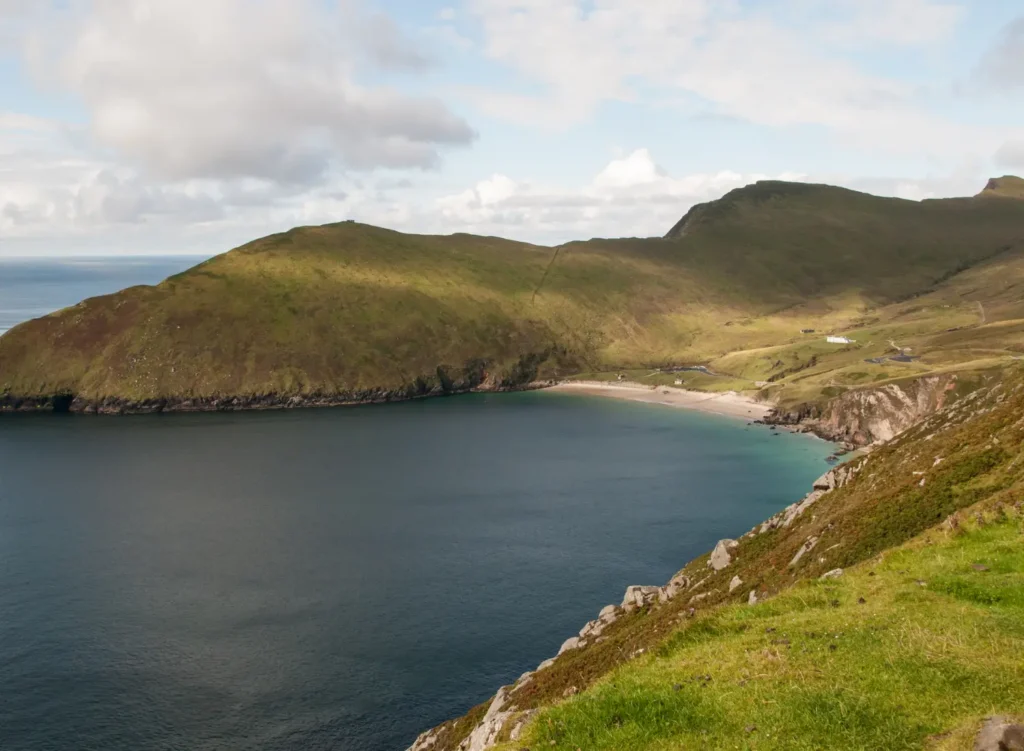
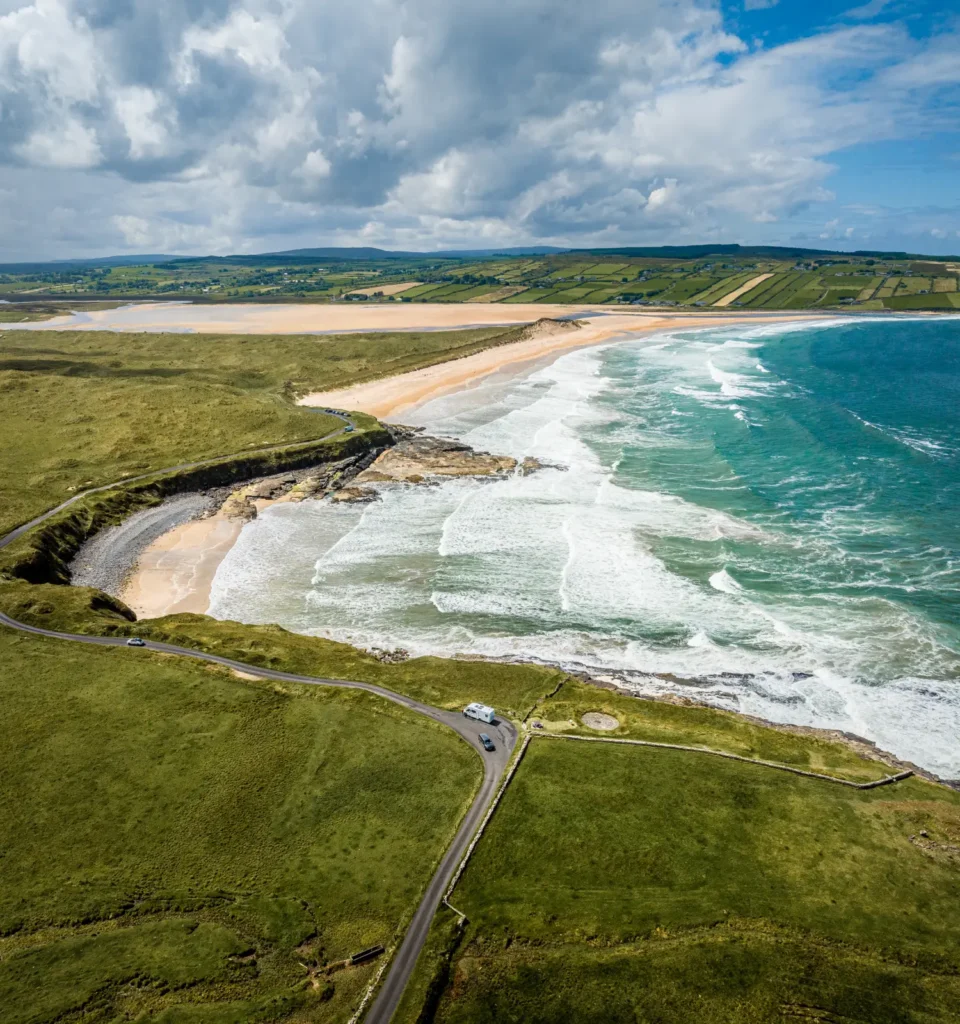
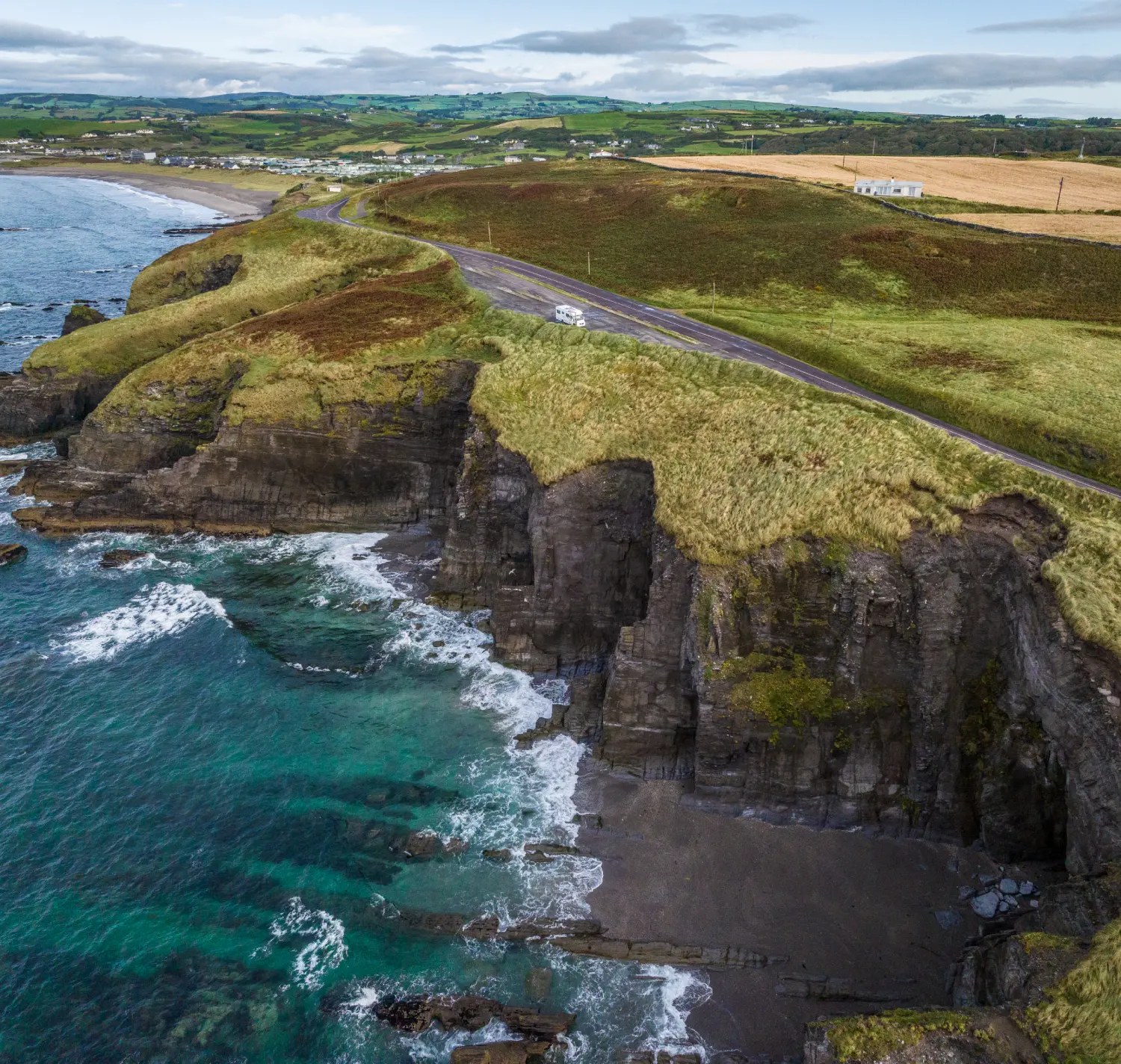
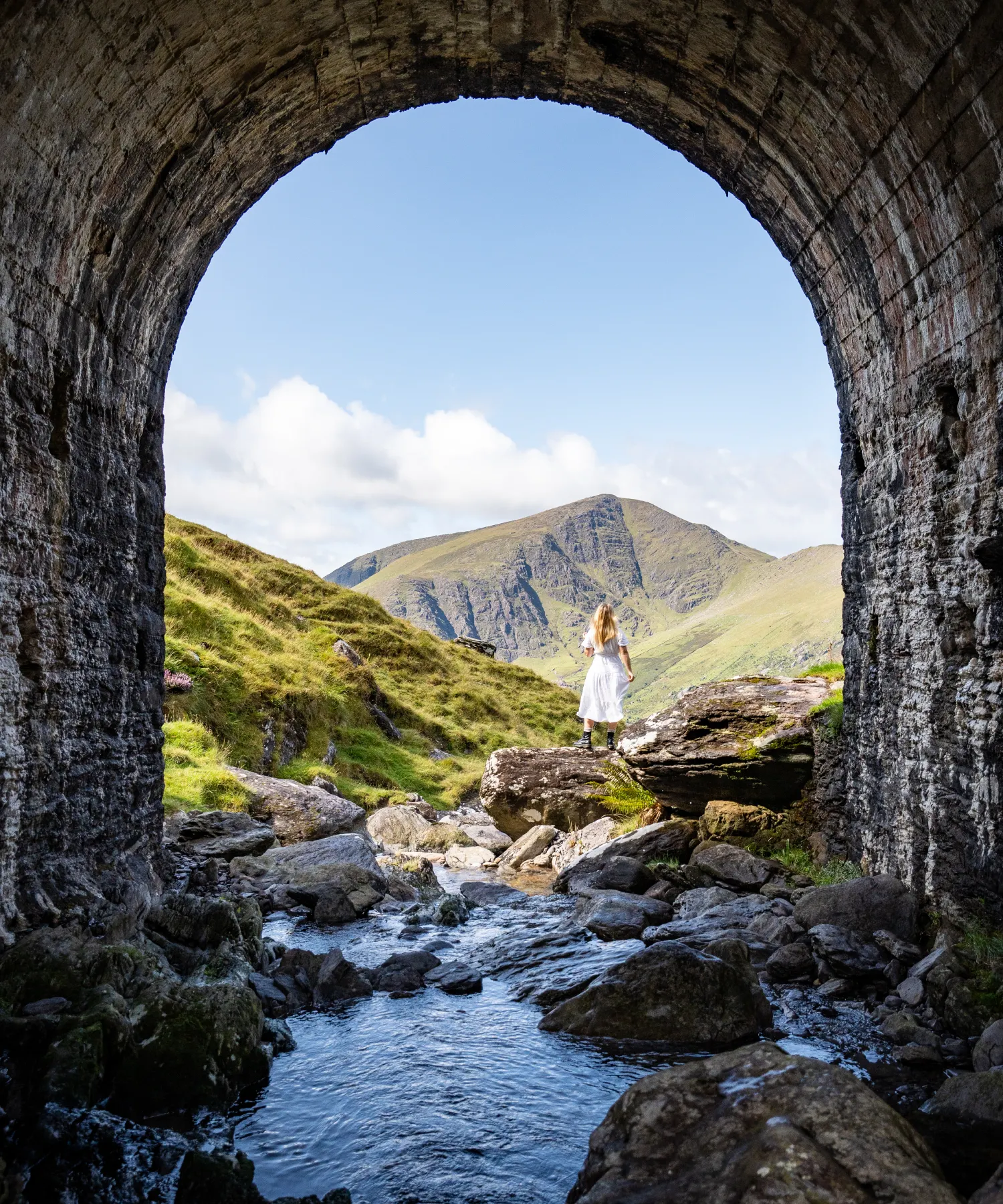
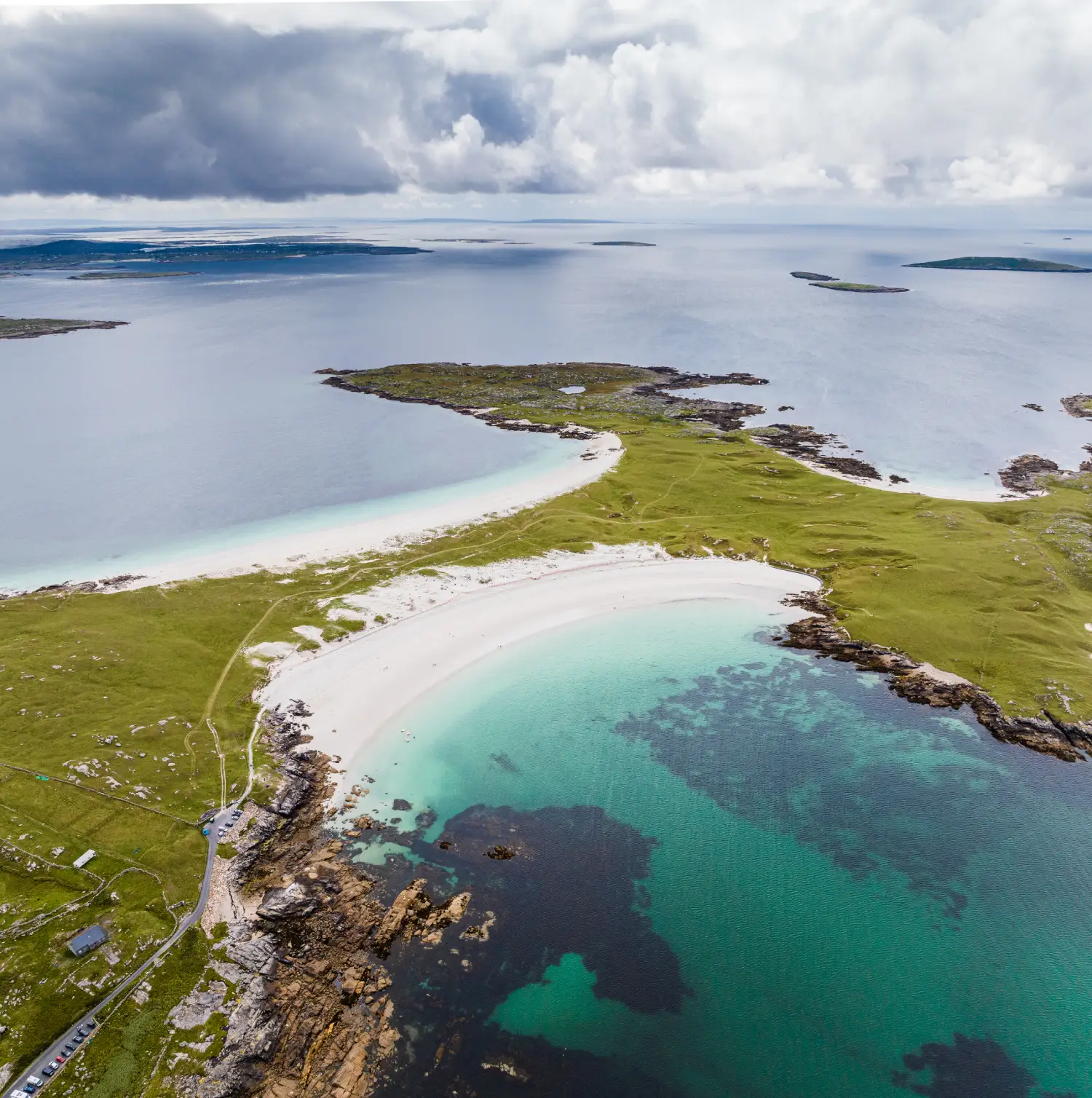
The Wild Atlantic Way (WAW) is Ireland’s stunning coastal route stretching over 1,500 miles (2,500km) from the Inishowen Peninsula in County Donegal down to Kinsale in County Cork. In fact, it’s the longest coastal road trip in the world – an unforgettable odyssey that weaves along rugged coastlines, through charming towns, and past the remains of ancient Irish history.

This behemoth of a road trip is no easy feat – you’ll navigate nine counties, encounter three major islands, and breathe some of the freshest air in Europe!

This page gives you a clear overview of the Way, helping you decide whether it’s the right road trip for you and pointing you to the best next steps for planning it properly.

If you’re still choosing between routes, you may want to explore other road trips before diving into the details.

• Plan your Wild Atlantic Way road trip

• Hire a Campervan with Scotland Escape

• Buy the Ultimate WAW Guide Book

The Wild Atlantic Way Map & Route Overview

The WAW is a point-to-point road trip, defined by its dramatic coastal topography, featuring iconic sites such as the Cliffs of Moher and Slieve League. The route is meticulously signposted, encompassing over 150 discovery points, 26 highly specific ‘Signature Discovery Points,’ and numerous local loops off the main path. The Wild Atlantic Way is segmented into six distinct touring regions – from the Northern Headlands to the Haven Coast – each offering unique geological and cultural flavours.

This journey is perfectly suited for independent road-trippers, cultural explorers, and active adventurers – ideal for travellers seeking genuine interaction with local communities, challenging hikes, surfing, and panoramic photography opportunities. It rewards those who are prepared for unpredictable weather and embrace the freedom of the open road!

Below is a map showing the starting point in County Donegal. Follow the western coast to discover the regions you will be touring!

The Wild Atlantic Way Itineraries

The WAW can be completed in different timeframes, but how long you have will completely change the experience. Below is a realistic overview of what each option feels like, so you can choose the right pace before diving into the details!

The ideal length for the WAW depends on how deeply you want to explore!

Typical timeframes:
• 7 days: Fast-paced highlights trip
• 14 days: Balanced, realistic pace
• 28+ days: Slower travel with flexibility and rest days

If you have more time, the experience improves significantly. Slower travel allows you to work around weather, enjoy quieter spots, and spend more time off the road.

👉 Plan your WAW road trip


7 Days on the Wild Atlantic Way

A 7-day trip necessitates choosing a segment, either focusing on the dramatic, rugged North (Donegal, Sligo, Mayo) or the historic, picturesque South (Clare, Kerry, Cork). This itinerary is a showcase of the route’s highlights but allows minimal time for hiking, extended cultural stops, or exploring off-route islands. Accommodation bookings are essential due to the limited stops!

Best For: First-time visitors; those focused on one specific region.

Pace: Fast-paced, averaging 3-5 hours of driving daily.

Key Focus: Concentrating on one half (e.g., Northern Headlands to Galway Bay) to see key Signature Discovery Points without rushing the entire 2,500 km.

👉 View the full 7-day Wild Atlantic Way itinerary

14 Days on the Wild Atlantic Way

The two-week itinerary is considered the sweet spot for many, offering enough time to drive the entire WAW from north to south (or vice-versa) while allowing for detours to places like the Aran Islands or the Skellig Islands (weather permitting). This pace enables genuine interaction with local communities, time to enjoy traditional music sessions, and exploration of local crafts and cuisine – it maintains a sense of flow without feeling rushed, balancing time behind the wheel with time experiencing the landscape!

Best For: Travellers wanting a comprehensive overview of the entire route.

Pace: Medium-paced, averaging 2-3 hours of driving daily.

Key Focus: Covering the full 2,500 km route, allowing for multiple major stops, moderate hikes, and cultural immersion in several different counties.

👉 View the full 14-day Wild Atlantic Way itinerary

28 Days on the Wild Atlantic Way

A month-long journey transforms the road trip into a true Irish immersion. This extended duration is ideal for those who wish to spend a week focusing on surfing in County Clare, hiking the mountains of County Kerry, or exploring the Gaelic culture of the Gaeltacht regions. The focus shifts from checking off discovery points to living the local pace, offering maximum flexibility and the chance to adapt to Ireland’s notoriously changeable weather without compromising major plans!

Best For: Active adventurers, cultural enthusiasts, and those seeking true immersion!

Pace: Slow, allowing for multiple nights in specific towns and extensive off-route exploration.

Key Focus: Deep dives into local regions, including tackling major hikes (like the Dingle Way or Causeway Coast Way), learning to surf, and staying in rural, less-visited areas.

👉 View the full 28-day Wild Atlantic Way itinerary


👉 View all the WAW itineraries


Not sure which option is right for you?

If you’re still undecided, start with our WAW trip planner, which helps you choose a route and pace based on your time, travel style and priorities.

👉 Plan your WAW trip

Where to Stay & Eat on the Wild Atlantic Way

One of the biggest planning questions for the Wild Atlantic Way is where you’ll eat and sleep each night. Options are spread out, and opening hours can be limited, so a little planning goes a long way.

Where to Stay

Accommodation along the Wild Atlantic Way ranges from campsites and campervan stopovers to small hotels, B&Bs and guesthouses in key towns and villages. If you’re travelling by campervan, you’ll find a mix of formal campsites and informal overnight options.

Whether it be a family-run bunkhouse within a stone’s throw of a castle wall, a coastal campsite lashed with seaspray or a hotel within walking distance of an iconic distillery, there’s an overnight option for every type of traveller and every type of getaway.

Availability can be limited in peak season, however, so it’s worth having a rough overnight plan rather than relying on finding somewhere at the last minute.

👉 See recommended Wild Atlantic Way campsites & overnight stops


Where to Eat

The Wild Atlantic Way route offers high-quality, local dining options, including cafés, bakeries, pubs, and independent restaurants. However, travellers should note that dining opportunities can vary from place to place. A crucial planning factor is the seasonal operation of many establishments, especially during winter, meaning opening hours vary significantly.

Reservations are strongly recommended, especially in peak summer or for specific dietary needs. To ensure a smoother experience, carry non-perishable snacks and drinks, and always check opening times online or by calling ahead to avoid disappointment.

👉 See food & coffee stops on the Wild Atlantic Way

Practical Road Trip Advice for the Wild Atlantic Way (Campervan + Driving)

A few practical considerations can make a big difference to your experience.

Things to plan for:

• Seasonal weather changes

• Road width and passing places

• Fuel and food availability in remote areas

• Ferry crossings or access restrictions 

This is especially important if you’re travelling by campervan or visiting during busier periods.

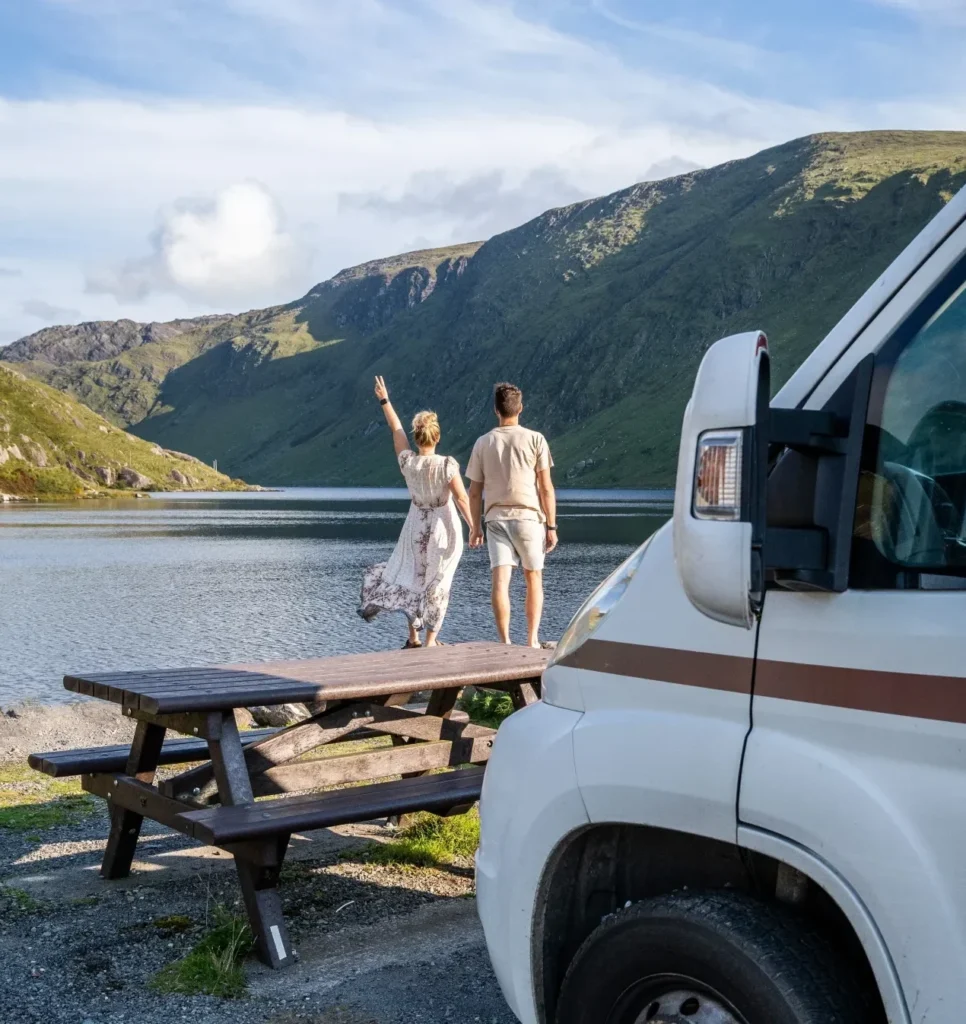
Travelling by Campervan

Ireland’s roads are often narrow, especially off the main N-routes. Practice your passing-place etiquette: always be ready to pull in quickly for oncoming traffic. A smaller campervan (under 6m) offers much more flexibility for navigating charming village streets and tight turns!

Avoid true wild camping (random overnight parking) as it’s often illegal in busy areas. Instead, use Ireland’s excellent private campsites and caravan parks. Book popular spots like Dingle or the Cliffs of Moher ahead of time in peak season. Farm stays, or pubs, often allow overnight parking for a small fee, or free if you dine there; remember, always ask permission!

And finally, pack for all four seasons in one day; even in summer, waterproofs and woolly socks are essential for enjoying that Atlantic vista!

👉 Read practical planning advice for the Wild Atlantic Way

Do the Wild Atlantic Way Properly

The WAW is one of those trips where good planning makes a huge difference. Knowing where to slow down, where flexibility matters, and how to avoid common mistakes can turn it from a long drive into a genuinely memorable adventure.

The Ultimate WAW Road Trip Guide Book

Written by two Scottish locals who adore the outdoors, our WAW guide brings everything together in one place – easy-to-read itineraries, enjoyable overnight stays, culinary recommendations, and practical advice plucked from our own experiences!

We wrote it after spending years on the road, and have created the guidebook that we wish had existed before we took on the road trip for the first time ourselves.

It’s designed to save you hours of research and help you experience Ireland at the right pace, and has already been used by thousands of travellers just like yourself!

👉 View the WAW guidebook and map here


Not Sure Where To Start?

If this road trip sounds a bit like you (and we don’t blame you!), then the best place to start is in our WAW planning hub.

Our Irish trip planner is the place to work out the best pace and route for your trip, then decide whether a guide, a planning call or a campervan makes the most sense for you.

👉 Visit the WAW Trip Planner here

Not  Sure If The Wild Atlantic Way Is Right For You?

Western Europe has no shortage of incredible road trips, and the WAW is just one of them. If you’re looking for something more compact, circular, or even just a little different, these routes might suit you better:

  • North East 250 Roadtrip – A more relaxed circular route through Scotland’s Aberdeenshire and Moray, known for castles, whisky distilleries, coastal villages and far fewer crowds.

  • North Coast 500 Roadtrip – Scotland’s most iconic road trip, looping around the far north Highlands and taking in dramatic coastline, mountain passes, remote beaches and some of the country’s wildest landscapes.

  • Outer Hebrides Roadtrip – A multi-island Scottish adventure with white-sand beaches, wild Atlantic landscapes and a slower pace that’s ideal for those who want to truly disconnect.

  • Isle of Skye Roadtrip – Dramatic mountain scenery, famous landmarks and short driving distances, perfect if you want epic Scottish landscapes without committing to a long loop!

👉 Explore all the best road trips here