Your NC500 Guide: When Is Best To Go?
The North Coast 500 (NC500): over five hundred miles of staggering Scottish scenery, winding roads, outdoor activities, and moments that genuinely steal your breath away. It’s a bucket-list journey for adventurers worldwide. But before you stock up on shortbread and waterproofs, there’s one colossal question you need to answer: when should you go?
The NC500 changes its personality with every season, and so no two road trips are alike. From the sun-drenched, buzzing villages of summer to the stark, silent beauty of a winter landscape, choosing your dates is crucial. It dictates your packing list, your driving experience, and whether you’ll be fighting for a photo spot or having the whole coastline to yourself.
Let’s dive into the ultimate seasonal comparison, laying out the pros, the cons, and the authentic Scottish appeal for each time of year!
Ready? Let’s get started.

Table of Contents
Planning Your Trip
We use the below booking platforms to plan our trips. We hope you find them useful too!
Spring (March to May): Verdant Views!
Spring is the NC500 shaking off its winter slumber. The days are rapidly lengthening, the temperature is finally moving above single digits, and the landscape is bursting into life!
The Pros
- Vibrant Landscapes: The hills turn from drab browns to vivid greens. Expect to see lambs gambolling in the fields around sleepy Highland villages – pure, unadulterated Scottish charm.
- Decent Weather Window: While you can never guarantee sunshine in the Scottish Highlands, late spring (May) often offers some of the driest, sunniest days of the year, before the peak summer rush!
- Less Crowds: You get the benefit of improving weather without the intense traffic jams and booking wars of July and August. You’ll find accommodation and dinner reservations much easier, too!
The Cons
- Unpredictable Conditions: March and early April can still feel like winter, with sudden snow, hail, or heavy rain, especially on higher mountain passes such as the Bealach na Bà.
- Late Openings: Some smaller, seasonal attractions, campsites, and local businesses might not open until late April or early May!
- The Midge Warning (Late May): While not as ferocious as mid-summer, the dreaded Scottish midge starts to make its debut towards the end of May, particularly in sheltered, damp areas.
Mistakes to Avoid in Spring?
Relying solely on Google Maps time estimates!
In early spring, weather conditions can drastically slow you down. A mountain pass that takes 45 minutes in July might take two hours (or be closed entirely) in March due to snow or ice. Always check local weather forecasts and road closures (via Traffic Scotland) before setting off for the day.
In Need of a Highland Steed?
Summer (June to August): Blue Skies!
This is peak season. The reason? The light. Summer in the far north brings the phenomenon of the ‘Simmer Dim’ – practically 24-hour daylight around the summer solstice.
The Pros
- Maximum Daylight: Imagine driving until 10 pm with complete visibility! You can pack more into your days, explore hidden beaches, and enjoy late-evening picnics with stunning sunsets!
- Best Chance of Warm Weather: Temperatures are at their highest, making those dips in the Atlantic a little less shocking (but still bracing!).
- Everything is Open: Every pub, castle, distillery, and campsite is operating at full capacity!
The Cons
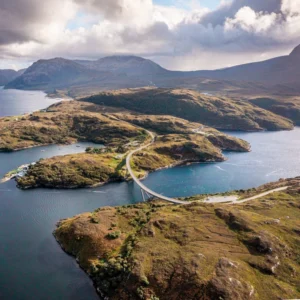
- Crowds and Traffic: The sheer volume of visitors can be overwhelming. Expect longer ferry queues, packed car parks at major spots (such as Kylesku Bridge or John 0′ Groats), and the need to book everything – accommodation, dinner, and even some activities – months in advance.
- The Midge Swarm: Peak midge season. These tiny, biting insects can ruin an otherwise perfect evening outdoors, especially near water. Remember, Smidge repellent is non-negotiable!
- Accommodation Premium: Prices soar. Expect to pay significantly more for B&Bs, hotels, and even campsites!
Mistakes to Avoid in Summer?
“Winging it” with accommodation!
If you arrive in a popular village like Ullapool or Durness in July, hoping to find a last-minute room or campsite pitch, you are setting yourself up for a highly uncomfortable night.
Plan your itinerary and book your major overnight stops at least six months ahead.
More From The NC500!
Autumn (September to November): Fiery Hues!
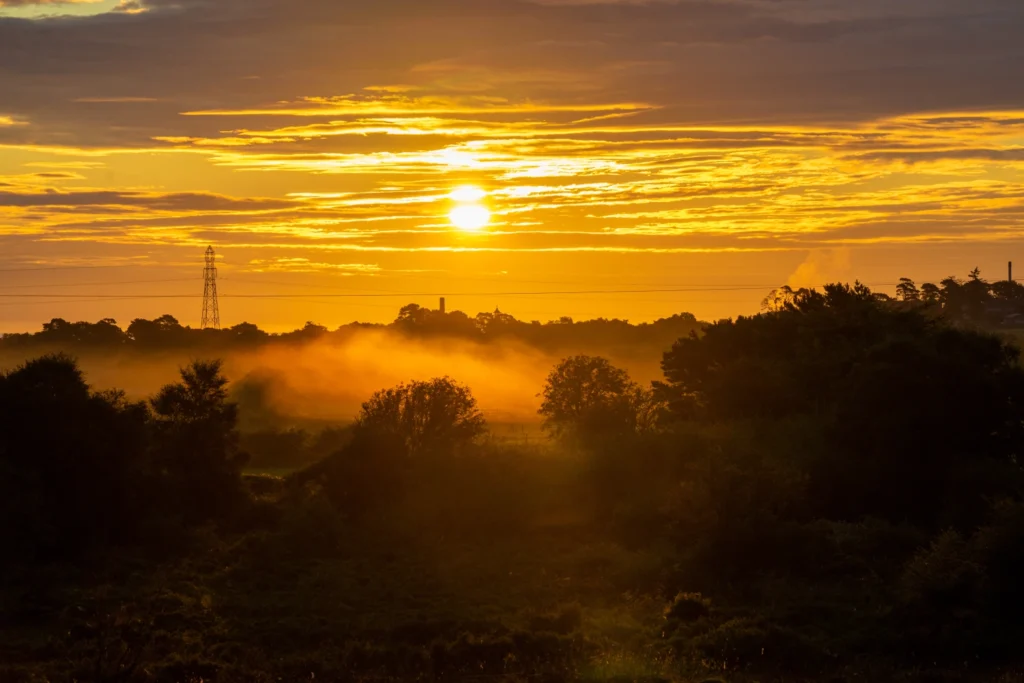
Autumn is the locals’ favourite time on the NC500. The crowds thin out, the landscape catches fire with colour, and the weather often remains surprisingly mild!
The Pros
- Spectacular Foliage: The transition from green to deep russets, golds, and reds across the forests and glens is breathtaking. We think this is the NC500 at its most photogenic!
- Reduced Crowds: September often feels like a continuation of summer but without the peak-season chaos. The roads are easier to navigate, and the atmosphere is more relaxed.
- Midge Reprieve: The first hard frost (usually in late September/early October) kills off the majority of the midges. Freedom!
The Cons
- Rapidly Shortening Days: By the end of October, daylight is fading fast. You need to start your driving day earlier to maximise light.
- Cooler Temperatures: Expect crisp, cool mornings and evenings. You’ll need to wear several layers, including hats and gloves.
- October half-term rush: While generally quieter, be aware of a short spike in visitor numbers during various UK school half-term holidays in October!
Mistakes to Avoid in Autumn?
Assuming everything stays open late!
While major hotels remain operational, many smaller seasonal cafes, roadside kiosks, and visitor centres start reducing their hours or closing entirely. You can always check attraction opening hours online before planning your day around them.
Winter (December to February): True Serenity!
This is the NC500 for the intrepid, the photographer, and those seeking solitude. Winter transforms the route into a rugged, dramatic, and intensely atmospheric landscape.
The Pros
- Utter Solitude: You will often have entire stretches of the road, beaches, and viewpoints entirely to yourself.
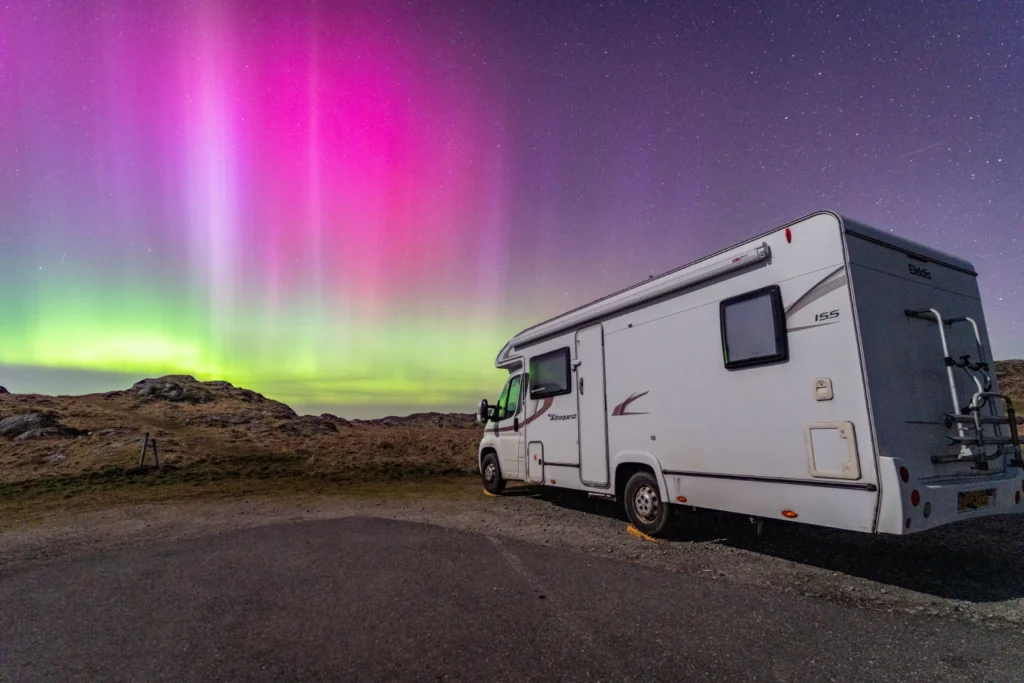
- Dramatic Scenery: The mountains are often capped with snow, the light is low and ethereal, and the vast skies offer the best chance of spotting the Northern Lights (Aurora Borealis), especially on clear nights in the northernmost stretches (such as around Dunnet Head).
- Best Value: Accommodation prices are at their lowest (though options are fewer).
The Cons
- Shorter Days: Around the winter solstice in December, you may only have 6-7 hours of usable daylight. This severely limits your driving time and requires military-precision planning.
- Driving Hazards: Snow, black ice, and strong winds are common and can make driving treacherous, especially on single-track roads and mountain passes. Road closures are a real possibility.
- Limited Services: Many B&Bs, guesthouses, and restaurants close altogether from November to February. Fuel stations can be far apart.
Mistakes to Avoid in Winter?
Underestimating the weather and your vehicle!
Don’t attempt the Bealach na Bà pass unless you are in a suitably prepared vehicle (4×4 recommended) and the conditions are ideal.
Pack emergency supplies (blankets, food, water, and a fully charged power bank) and assume you will be driving slowly. Never ignore a weather warning – the Highlands are unforgiving in winter!
Summary: The NC500 Seasonal Guide
Which conditions suit you best?
Season | Best For | Driving Conditions | Atmosphere/Crowds | Major Warnings |
|---|---|---|---|---|
Spring | Nature lovers, avoiding peak price | Variable, risk of snow (March/April) | Refreshing, medium crowds | Some attractions are still closed |
Summer | Maximum daylight, first-timers | Busy, slower due to traffic | Buzzing, heavy crowds | The Midges! Book everything! |
Autumn | Photography, foodies, relaxed pace | Good, clear roads | Relaxed, low-medium crowds | Shorter daylight by late October |
Winter | Aurora Borealis hunters, solitude seekers | Challenging (ice, snow, wind) | Stark, empty | Very short daylight, limited services |
Posts We Think You'll Love!
The NC500: Think Outside The Circuit
For the ideal balance of decent weather, manageable crowds, and open services, the best times to plan your North Coast 500 road trip are late May/early June or September.
In our experience, these ‘shoulder seasons’ are the ideal times to take on the circuit, whether you’re a first-timer or a road-view veteran – but we’re not just concerned about dodging traffic or harsh weather: the midges are absent too!
Whichever season you choose, the North Coast 500 route will deliver an unforgettable adventure. Just remember the Scottish golden rules: be prepared for four seasons in one day, always wave to thank the person who pulled over for you, and never, ever pass up a chance for a freshly baked treat.
Happy travels!

Useful Links
- The official NC500 site – for local info!
- CalMac Ferries – book well in advance!
- Met Office – check the weather!
- Traffic Scotland – for route changes and updates.
- WalkHighlands – the best hiking trails and tips.
- Scottish Outdoor Access Code (SOAC) – be informed!
- Highlands2Hammocks (That’s us!) – for our online shop, other blogs, and brand-new campervan rental service.