
Practical Planning For The Isle of Skye
The Isle of Skye: a name that conjures images of mythical peaks, shimmering lochs, and a deep, wild history. It’s one of Scotland’s most iconic destinations, and the promise of that drama draws millions of visitors a year. However, Skye’s fame is a double-edged sword! To truly enjoy the magic, rather than getting stuck in a traffic jam at the Fairy Pools or running out of fuel on the Waternish Peninsula, your journey requires a touch of Hebridean practicality!
Forget winging it; a successful Skye road trip, especially during the busy summer months, is all about planning. From securing the right accommodation base to mastering the art of the single-track road, thoughtful preparation is what separates a frustrating rush from a genuinely unforgettable adventure. Skye rewards the organised, the patient, and those who respect its unique environment.
Here is your authentic, no-nonsense guide to planning a trip that ensures you spend more time gazing at the Quiraing and less time looking for a parking spot!
If you’re still deciding whether this route is right for you, start with our Isle of Skye overview first. If you’re ready to plan, you’re in the right place!
Accommodation & Travel
- Accommodation: Skye’s popularity, particularly during the high season from May through September, means that accommodation scarcity is a serious consideration. The island’s diverse options, from cosy B&Bs and quaint self-catering cottages to hotels and hostels, sell out months in advance. Booking your lodgings should be the very first item on your planning checklist to secure your preferred location and type of stay!
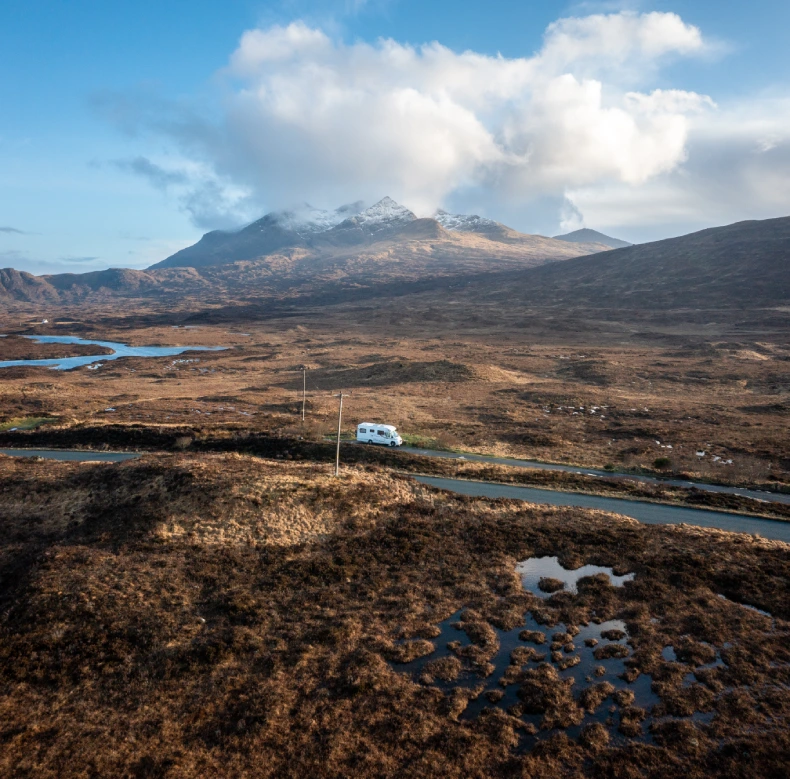
- Transportation: Personal transport is non-negotiable. While the rugged beauty of Skye might suggest a slower, public-transport-friendly pace, the reality is that the island’s public transport is minimal and often infrequent, making it impractical for sightseeing. Hiring a car or campervan is highly recommended and, for all intents and purposes, essential for flexibility and reaching the most remote and stunning sights.
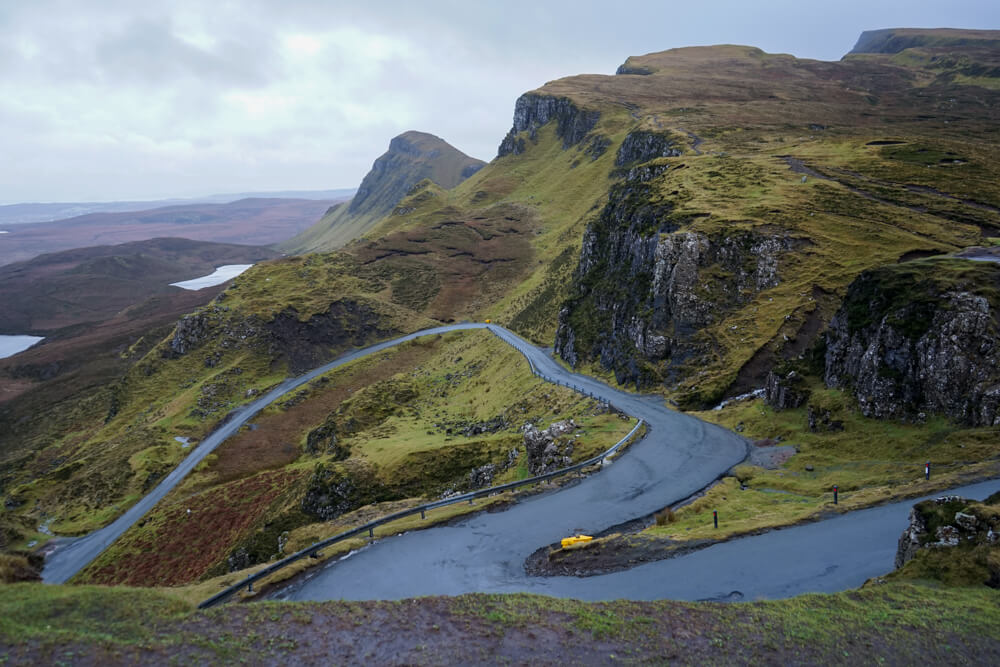
- Driving Conditions: Be prepared for the island’s unique road infrastructure – many roads, especially those leading to popular landmarks and trails, are single-track roads. This necessitates familiarity and comfort with using designated passing places – it is a matter of courtesy and safety to use these spots to allow oncoming traffic to pass or faster vehicles to overtake!
- Fuel Strategy: Skye is vast, and petrol stations are few and far between once you leave the main hub towns. Outside of Portree and Broadford, filling up can become a challenge. To avoid disrupting your itinerary, make it a rule to fill your tank whenever you see a station, regardless of how much fuel you currently have.
Essential Gear and Safety Preparations
Skye’s notorious weather and challenging terrain demand appropriate preparation for both comfort and safety.
- Layer Up: The climate on Skye is famously unpredictable – a rain jacket and sunglasses combo is practically a traditional outfit! Pack waterproof and windproof outer layers (jackets and trousers) even if your visit is scheduled for the height of summer. These layers will be crucial for protection against sudden downpours and strong coastal winds.
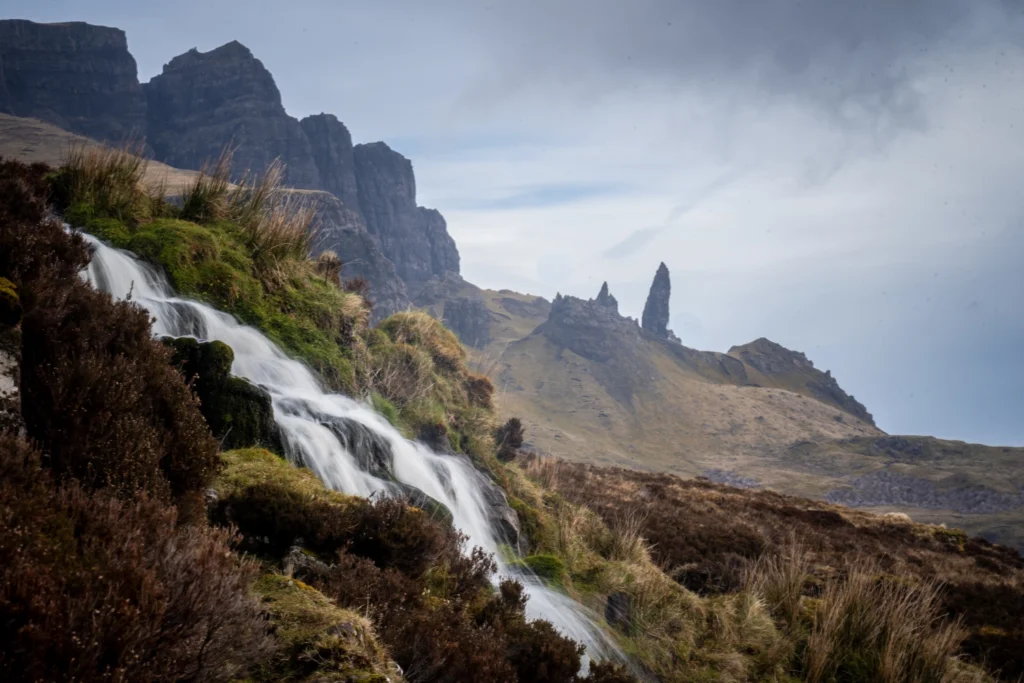
- Protect Your Feet: The paths leading to many of Skye’s most iconic landmarks – such as the Old Man of Storr, the Quiraing, and the Fairy Pools – involve uneven, rocky, and often deeply muddy terrain. Sturdy, waterproof hiking boots are not negotiable; trainers or fashion boots will quickly become saturated and uncomfortable. Good ankle support is also a significant benefit!
- The Midge Menace: From late spring through early autumn, especially during the quiet hours of dawn and dusk, you will encounter the infamous Highland midges – tiny, persistent biting flies. A good repellent is vital: Smidge and Avon Skin So Soft (specifically the green bottle) are highly regarded local favourites for their effectiveness. A midge net is also worth it, particularly when setting up camp or hiking through a quiet wood or near still water.
👉 Protect yourself from the dreaded midge with the correct sprays and midge nets. Read more here!
Respecting the Environment
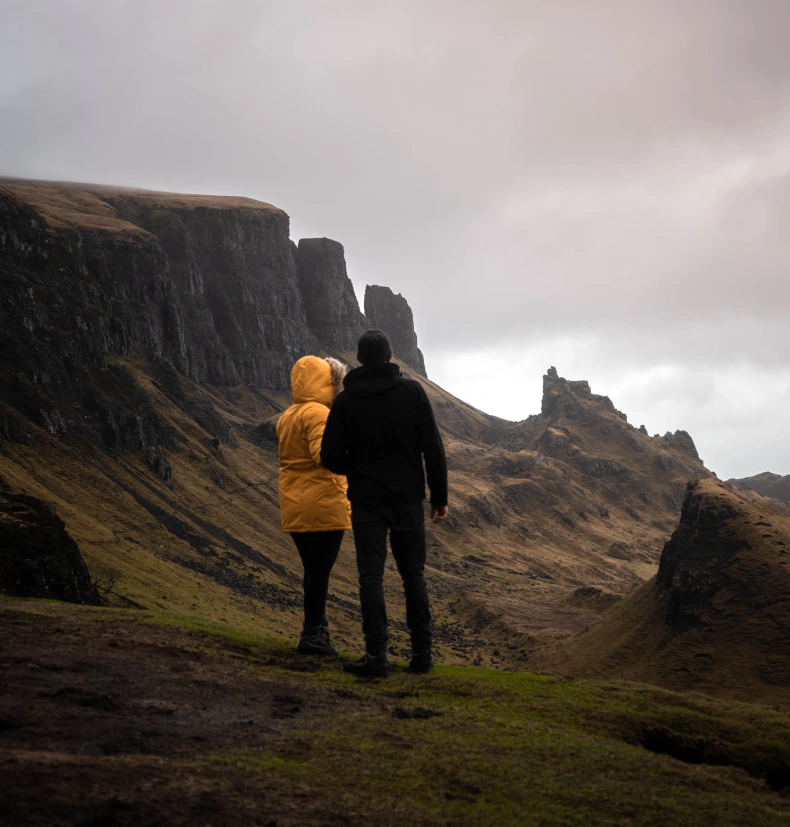
The unspoiled beauty of Skye is fragile and sustains a delicate ecosystem, demanding the utmost respect from visitors.
- Preserve the Landscape: The island’s natural environment must be protected. Always follow marked paths to prevent erosion and protect surrounding vegetation. Also, take all rubbish and litter home with you – never leave anything behind, not even biodegradable waste like banana peels!
- Respect Private Property: Much of Skye’s land is used for crofting (small-scale farming). Be extremely mindful and respect private property signs, especially when walking in areas surrounding crofts and livestock fields. Always close gates behind you!
- Responsible Parking: Due to the popularity of particular spots, parking can be congested – only park in designated car park areas. Illegal parking on road verges, in passing places, or blocking access routes is more than just inconvenient – it frequently blocks emergency vehicle access or completely obstructs traffic flow on single-track roads, causing significant safety and logistical issues for residents and emergency services.
Money Matters and Connectivity
A successful trip relies on having the right resources and staying connected – or choosing to disconnect!
- Cash vs. Card: Most establishments, including many B&Bs, restaurants, and larger shops, accept card payments. However, it is advisable to carry some cash (Sterling), especially for smaller purchases, honesty boxes for local produce, or tips in smaller, cash-only pubs. ATMs are primarily found in the larger villages of Portree and Broadford!
- Phone Signal: Do not expect comprehensive coverage. Mobile phone signal is often patchy or non-existent in the most scenic and remote areas (e.g. Neist Point). Download maps (e.g., Google Maps, OS Maps) for offline use before you arrive, and inform family and friends that you may be out of communication for periods of time. Use the available Wi-Fi in your accommodation or in major towns to check in.
- Food and Provisions: While Portree and Broadford have well-stocked supermarkets, you may find fewer options closer to your accommodation in remote areas. Consider buying essentials before you arrive on the island or at one of the main towns upon arrival. If you’re planning a self-catering stay, pre-order your groceries. Look out for local farm shops and seafood shacks for authentic, fresh produce!
Weather Contingencies and Flexibility
Skye’s ever-changing weather is legendary, often turning rapidly and impacting travel plans and hiking safety.
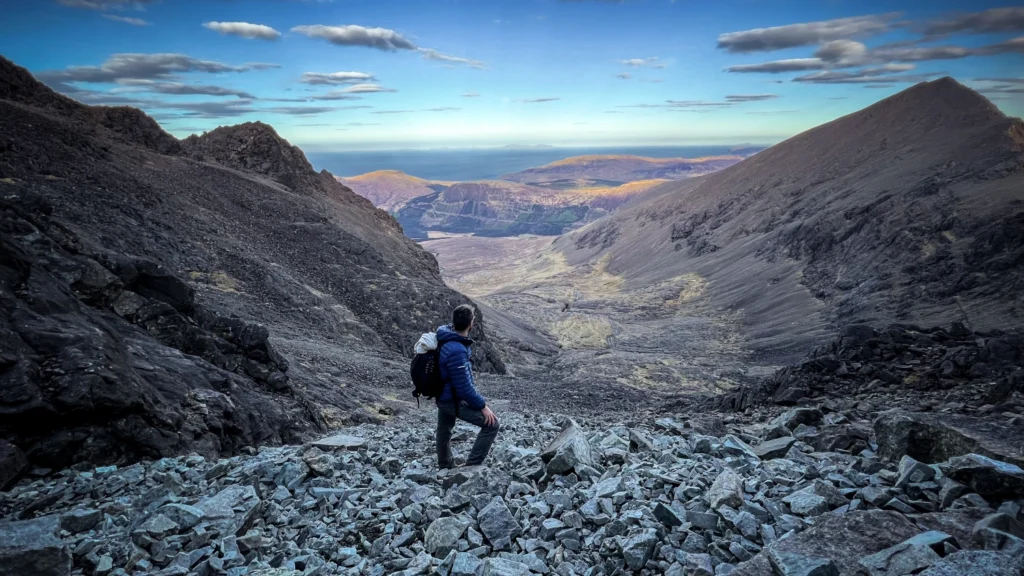
- Plan Ahead: Always check the local mountain weather forecast (e.g., Mountain Weather Information Service or Met Office) before heading out for a hike, even a short one. Be prepared to change your plans if conditions are unsafe (e.g., high winds, torrential rain, or thick fog, which can descend quickly).
- Embrace Flexibility: Do not try to stick to a schedule if the weather is poor. Skye is equally beautiful under dramatic cloud cover, but some hikes become genuinely hazardous in bad weather. Use poor-weather days to visit museums or distilleries, or to enjoy a long lunch in a cosy pub. The goal is enjoyment, not being a hero in the face of dangerous weather!
- Daylight Hours: Factor in the extreme variations in daylight hours. In mid-summer, the sun sets very late (around 10:30 PM), offering long days for exploration. In winter, daylight is limited (the sun sets as early as 3:30 PM), requiring much earlier starts for major sightseeing. Adjust your schedule accordingly!
Campervan Considerations
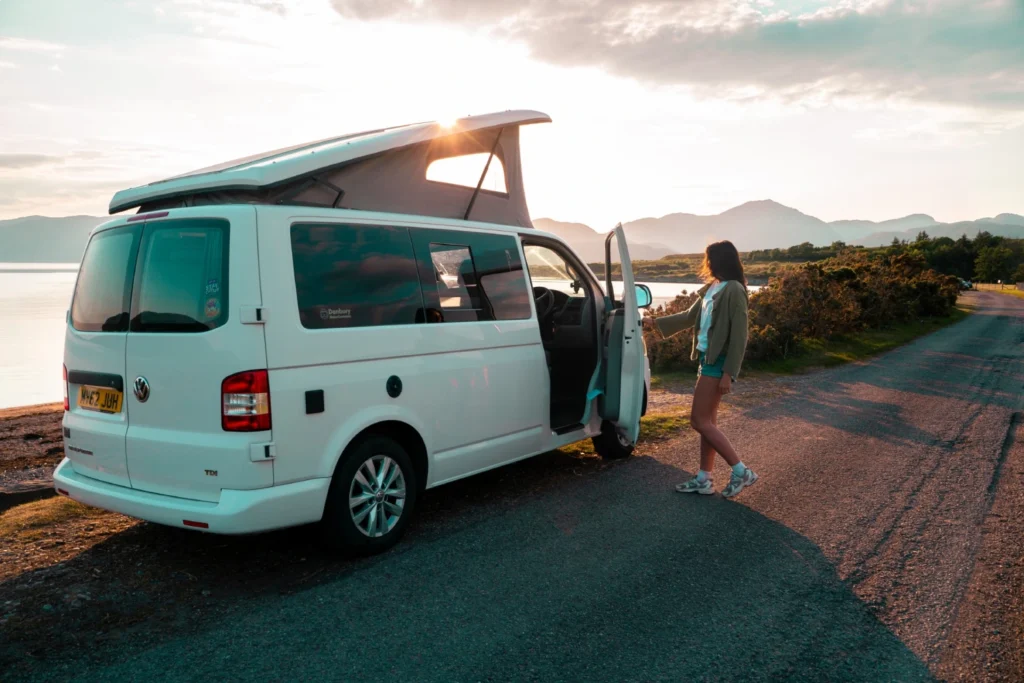
Touring Skye in a campervan is an incredible way to experience the island’s drama, but be warned: Skye’s roads and infrastructure are feeling the love! To avoid a parking meltdown and keep the locals happy, a little planning goes a long way.
- Book Your Base (Not Optional): Forget wild camping; the island’s fragile environment and crowded townships demand that overnight stays are strictly in designated campsites or official campervan sites. Book these months in advance, especially for a summer trip – otherwise, you might be driving circles instead of enjoying the sunset!
- Be Early: For the iconic sights – Storr, Quiraing, Fairy Pools – aim to arrive before 9:00 am – seriously! After that, finding a spot for a large vehicle is a competitive sport, often resulting in long waits or missing the site entirely.
- Waste Not, Want Not: Do not empty grey or black water anywhere but an official Chemical Disposal Point (CDP). Skye has fewer stops than the mainland, so plan your emptying stops meticulously to be a responsible visitor.
- Mind Your Measurements: If taking the CalMac ferry (e.g., to/from Mallaig/Armadale), be 100% accurate on your vehicle’s length and height. Failure to do so can result in being refused boarding!
Choosing the Right Itinerary for Skye
Once you understand the basics of the route, choosing an itinerary becomes much simpler.
Our itineraries are designed to:
reflect realistic driving days
build in flexibility
suit different timeframes and travel styles
Rather than forcing you into a one-size-fits-all plan, they give you a solid structure you can adapt as you go.
Want Help Planning Your Trip?
If you’d like a second opinion or help tailoring the route to your exact needs, we offer personalised trip planning calls.
These are ideal if:
It’s your first time on the route
You’re short on time
You’re travelling by campervan
You want reassurance before booking
You’ll speak directly with people who’ve visited Skye themselves and understand what works in practice – not just in theory.
👉 Book a planning call
Ready to Take the Next Step?
You don’t need to have everything figured out at once. Start with a clear understanding of the route, choose a pace that feels comfortable, and build from there.
From here, you can:
read practical planning guides