The Outer Hebrides: The Best Historical Hidden Gems
The Outer Hebrides is a place of breathtaking natural beauty, yes, but also a land rich in millennia of human history. Here, the relics and artefacts aren’t hidden away in museums; they’re right beneath your feet, carved into standing stones and clinging to the rugged remains of ancient forts. Iconic sites and hidden gems abound here – the Western Isles’ unique cultural heritage is truly something to behold!
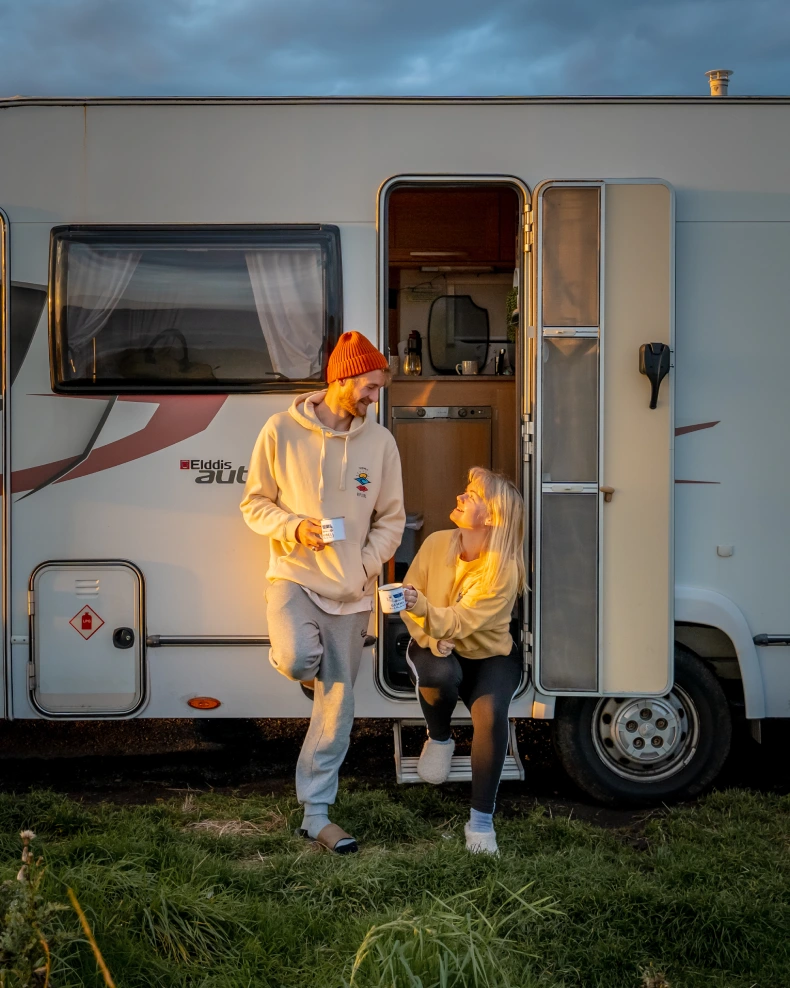
To truly connect with this remarkable timeline, forget the summer crowds. Late winter and early spring (late February to April) see the islands at their most raw and atmospheric. And there’s no better way to experience this time-travelling journey than in a sturdy, self-sufficient campervan.
This guide invites you to peel back the layers of history, focusing on the iconic ruins, legendary sites, and enduring folklore that make the Outer Hebrides one of Europe’s most historically rich destinations. Pack your boots, stock the fridge, and prepare to immerse yourself in the past.
Why does the campervan make the perfect vehicle for this historical tour, especially when winter is still clinging on?
1. Flexibility and Atmosphere
History doesn’t keep a schedule. If you want to see standing stones at 6 am before the sun climbs high, or watch the low, dramatic light hit Kisimul Castle at dusk, your accommodation is already there – no check-in times, no rush for breakfast, no external schedules whatsoever.
2. Wild Camping and Local Immersion
The quieter spring months allow for the responsible exercise of the Scottish Outdoor Access Code. Imagine parking near the lonely road to the Abhainn Dearg distillery, cooking dinner with a loch view, and realising you are surrounded by the Tùthan – the crofting settlements whose ruins trace the islands’ devastating past, like the Clearances. You become immersed in the history, no longer a casual observer.
3. Weatherproof
Hebridean spring weather is dramatic, beautiful, and sudden. After battling a squall and exploring the ancient ruins of an Iron Age fort on the coast, there’s immense satisfaction in retreating to your mobile fortress. Kettle on, heater on, map spread out, reading about the very history you just touched, all while the wind howls harmlessly outside.
It’s comfort, adventure, and history bundled into one self-contained experience!
In Need of a Hebridean Steed?
Check out our campervan rental service, designed by adventurers - for adventurers!
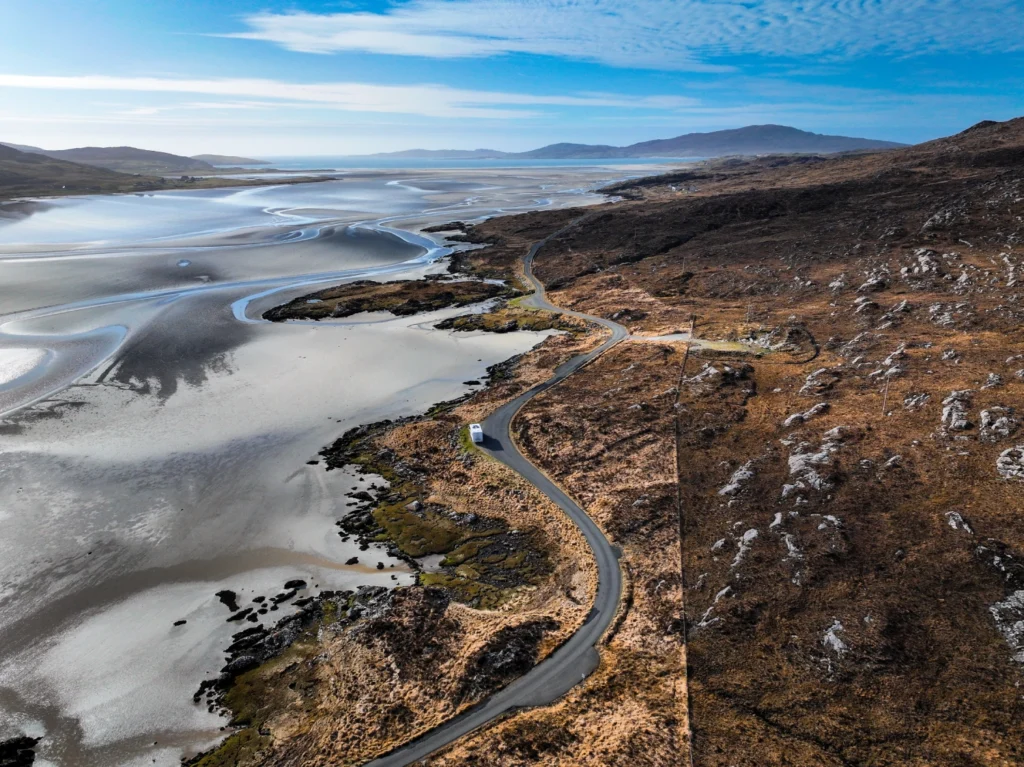
Having driven the single-track roads of Lewis, Harris, the Uists, and Barra, you know the feeling: every bend reveals a new wonder, but also a new echo from the past – Neolithic farmers, Christian missionaries, Norse invaders, and Gaelic chieftains have all had an impact here.
The most visible markers of conflict, power, and survival are the defensive structures that pepper the coastlines. They stand defiant against the relentless Atlantic, each one holding a dramatic tale of island life.
1. Dun Carloway Broch (Lewis)
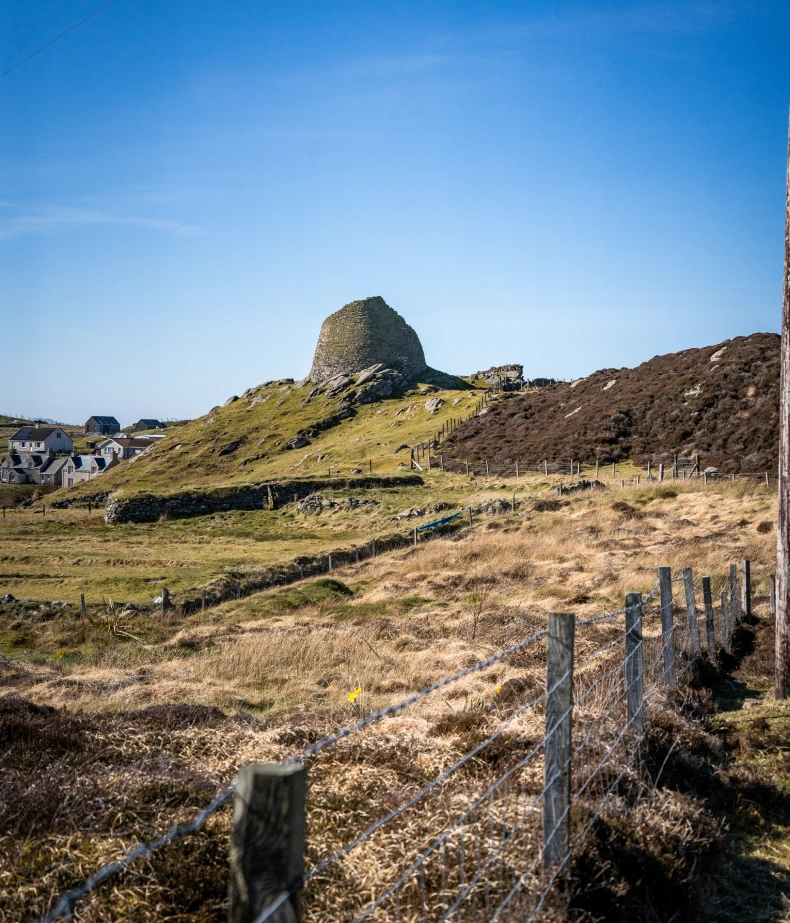
Standing proud on a rocky outcrop overlooking Loch Carloway, the Dun Carloway Broch (Gaelic: Dùn Chàrlabhaigh) is arguably the finest preserved example of an Atlantic roundhouse in all of Scotland. Built over 2,000 years ago (c. 100 BCE – 200 AD), this drystone tower once stood perhaps 13 meters high, featuring a unique double-skinned wall structure.
The History
No one is certain exactly why brochs were built, but they served as high-status dwellings and defensive strongholds for Iron Age communities. Their strategic locations allowed for excellent visibility across the landscape, and the ruins today give a palpable sense of the engineering prowess of these ancient islanders.
The Visit
Arrive on a chilly spring morning – the wind stirs the gorse and grass, and whips around the stone, carrying the scent of peat and sea salt, instantly transporting you back two millennia. The views from the top are spectacular and completely untainted by modern life.
2. Kisimul Castle (Barra)
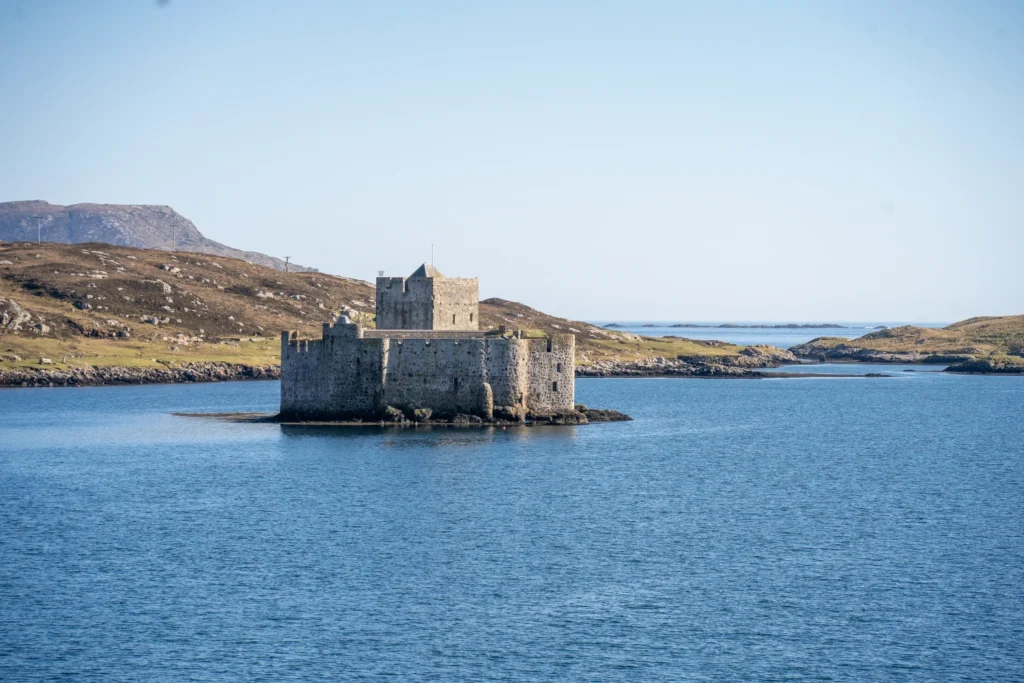
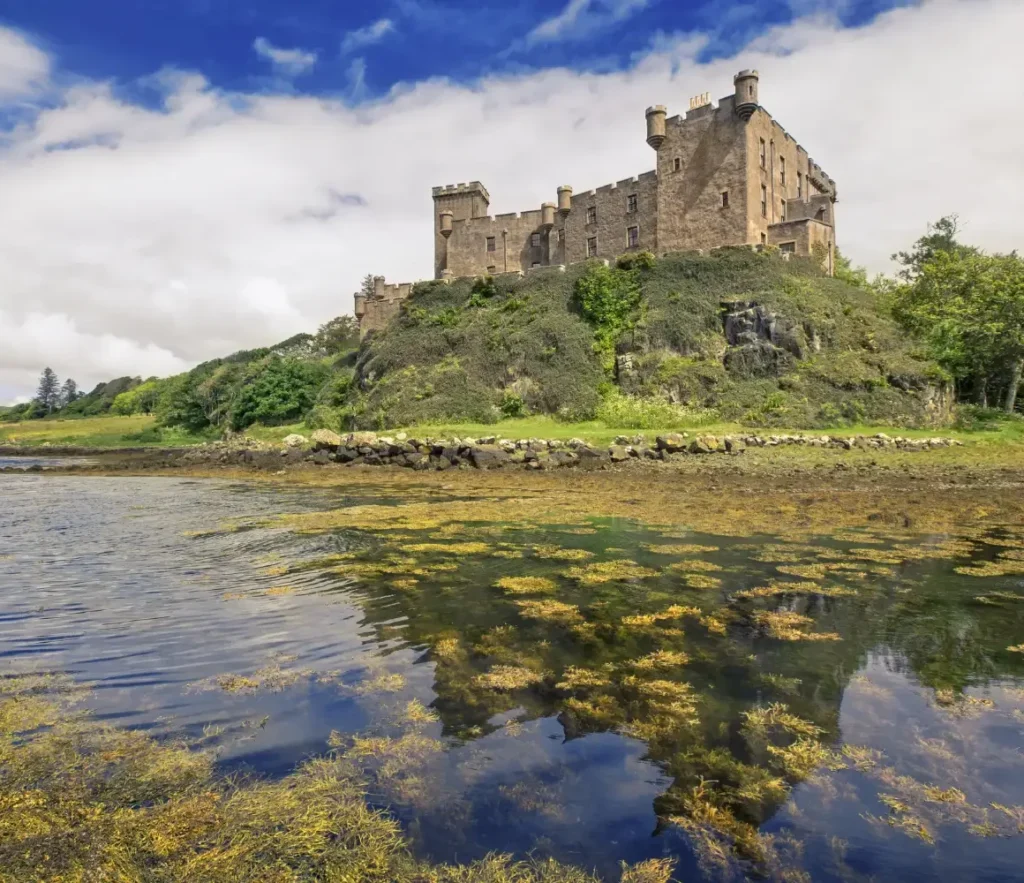
Unlike the austere stone ruins of the north, Kisimul Castle, sitting on a tiny islet in Castlebay, Barra, is a romantic, fully restored stronghold. It is the ancestral home and iconic symbol of the Clan MacNeil.
The History
First built in the 11th century, Kisimul (Ciosmal) is one of the only medieval island castles in Scotland that was continuously inhabited until 1838. It was acquired and fully restored in the early 20th century by the 45th Chief of the Clan MacNeil. Legend has it that the MacNeils – who were notorious pirates – would announce that they had dined by flying a flag and declaring, “The MacNeil has dined, and the Kings and Princes of the world may dine too!”
The Visit
You’ll need to take a short boat trip from Castlebay pier (check seasonal hours!). Seeing this fortress rise from the water is breathtaking. It’s a classic example of a Scottish island stronghold, far removed from the mainland pressures!
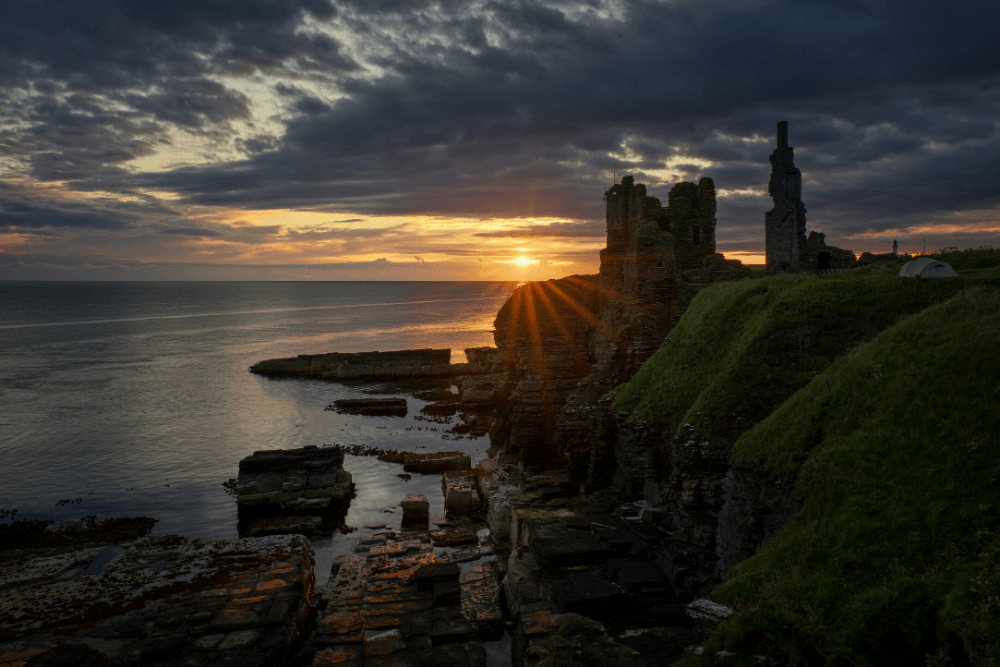
For a taste of more recent, yet equally evocative, ruin, head to the island of South Uist. Ormacleit was a grand mansion, not an actual castle, but it served as the principal residence for the chiefs of Clan Ranald!
The History
Built around 1708, this house was a sign of the clan’s power and aspirations. Tragically, it burned down in 1715, on the very day of the Battle of Sheriffmuir, where Clan Ranald forces were defeated. Its ruinous state is a sombre reminder of a golden era abruptly ended.
The Visit
The site is wonderfully isolated, surrounded by machair (fertile coastal grasslands) and open sky. It’s a perfect spot for quiet contemplation, picturing the grandeur that once stood here over three centuries ago, and the hopes and dreams that were lost with it.
Looking for the Perfect Guide?
Our long-awaited guidebook & map bundles have arrived!
The most ancient history of the Hebrides is written in mysterious circles and chambered cairns – Neolithic monuments that predate the pyramids of Egypt!
4. The Calanais Standing Stones (Lewis)
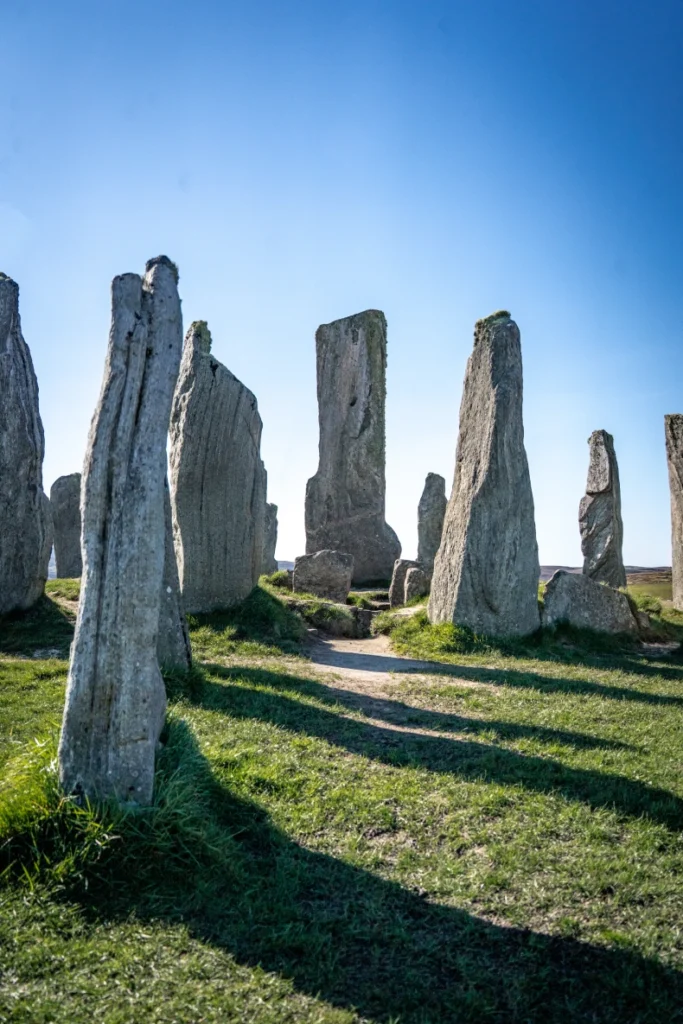
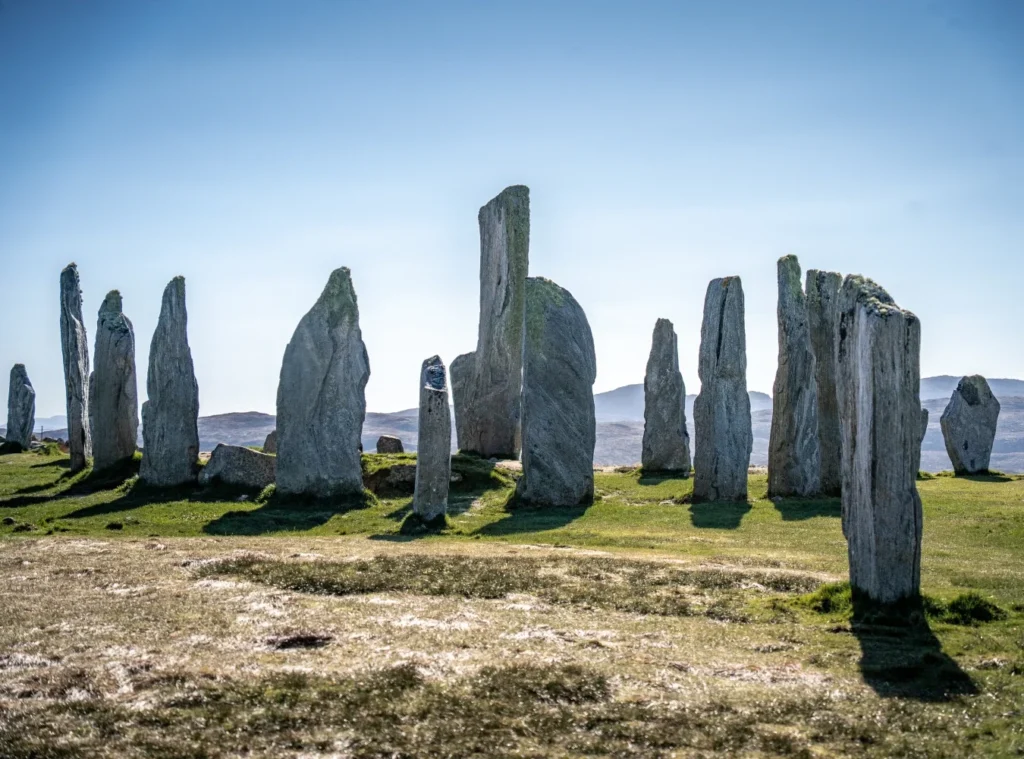
Calanais (Callanish) is the spiritual heart of the Outer Hebrides. This cruciform arrangement of standing stones, dating from 2900–2600 BCE, is a powerful sight, especially when the Hebridean mist rolls in!
The History/Legend
The stones are said to be the remains of giants who refused to convert to Christianity. One local legend claims that the rocks come alive at dawn on midsummer, with a celestial being named “The Shining One” walking amongst them.
Experts aren’t entirely sure what the ancients used the site for – it’s commonly believed to be an astronomical site for mapping stars and celestial bodies, as well as a meeting place of great importance!
The Visit
In spring, you often get the site entirely to yourself. Head there at sunrise or sunset to watch the light play across the dark Gneiss rock. The experience is profoundly moving – a tangible link to the belief systems of an ancient Scotland, and a long-lost culture.
5. Barpa Langass Chambered Cairn (North Uist)
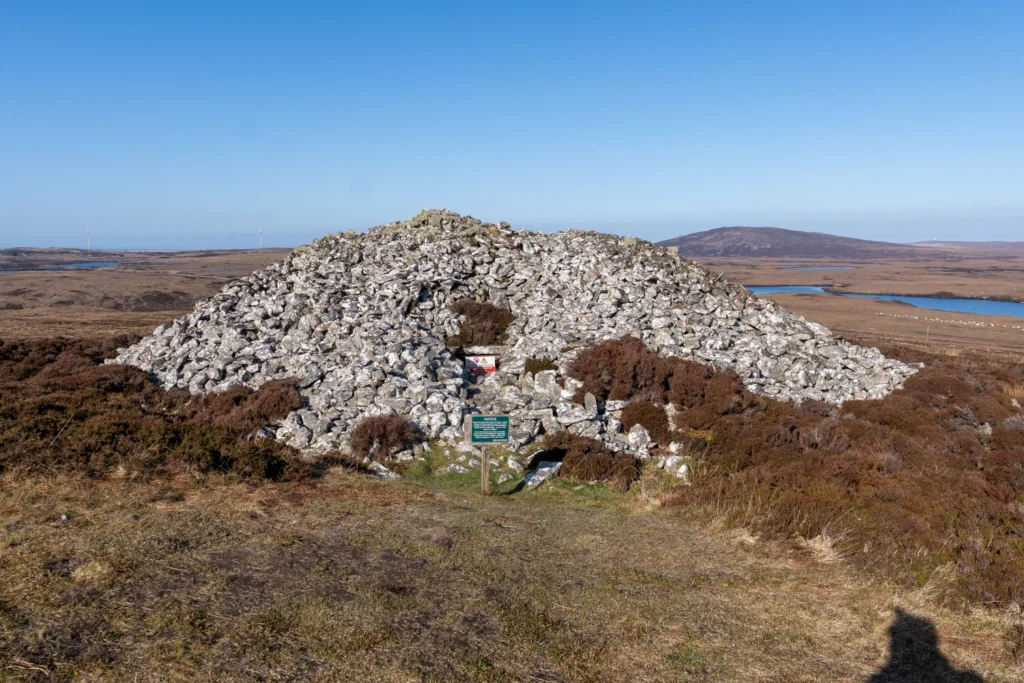
This impressive Neolithic burial chamber sits atop a prominent hill near the Langass Woodland. Dating back over 5,000 years, it’s a humbling testament to Hebridean history!
The History
Long before modern houses, this colossal mound of stones was carefully constructed as a grand tomb. Imagine the sheer effort required by our ancient ancestors to haul these giant rocks into place!
Archaeologists believe the central chamber was a communal burial site, a sacred final resting place for generations. While its exact rituals are lost to time, the cairn itself remains a source of wonder.
The Visit
The approach requires a short, invigorating hike – you can clearly see the large capstones and the structure of the burial passage as you arrive. Standing on this hilltop, with panoramic views of the Uist loch systems, you gain a sense of why these people chose such an elevated, sacred spot for their eternal resting place.
The Outer Hebrides offers a rare chance to step truly outside of time. Whether you’re climbing the walls of a 2,000-year-old broch, contemplating the mystery of the Calanais Stones, or simply driving past the roofless houses of a deserted crofting township, the stories of the islanders – their resilience, beliefs, and bold spirit – are ever-present.
Take your campervan, embrace the wild solitude of spring, and let the history of the Western Isles whisper its secrets to you. This isn’t just another island escape – it’s a chance to truly connect with Scotland’s rugged, unforgettable soul.