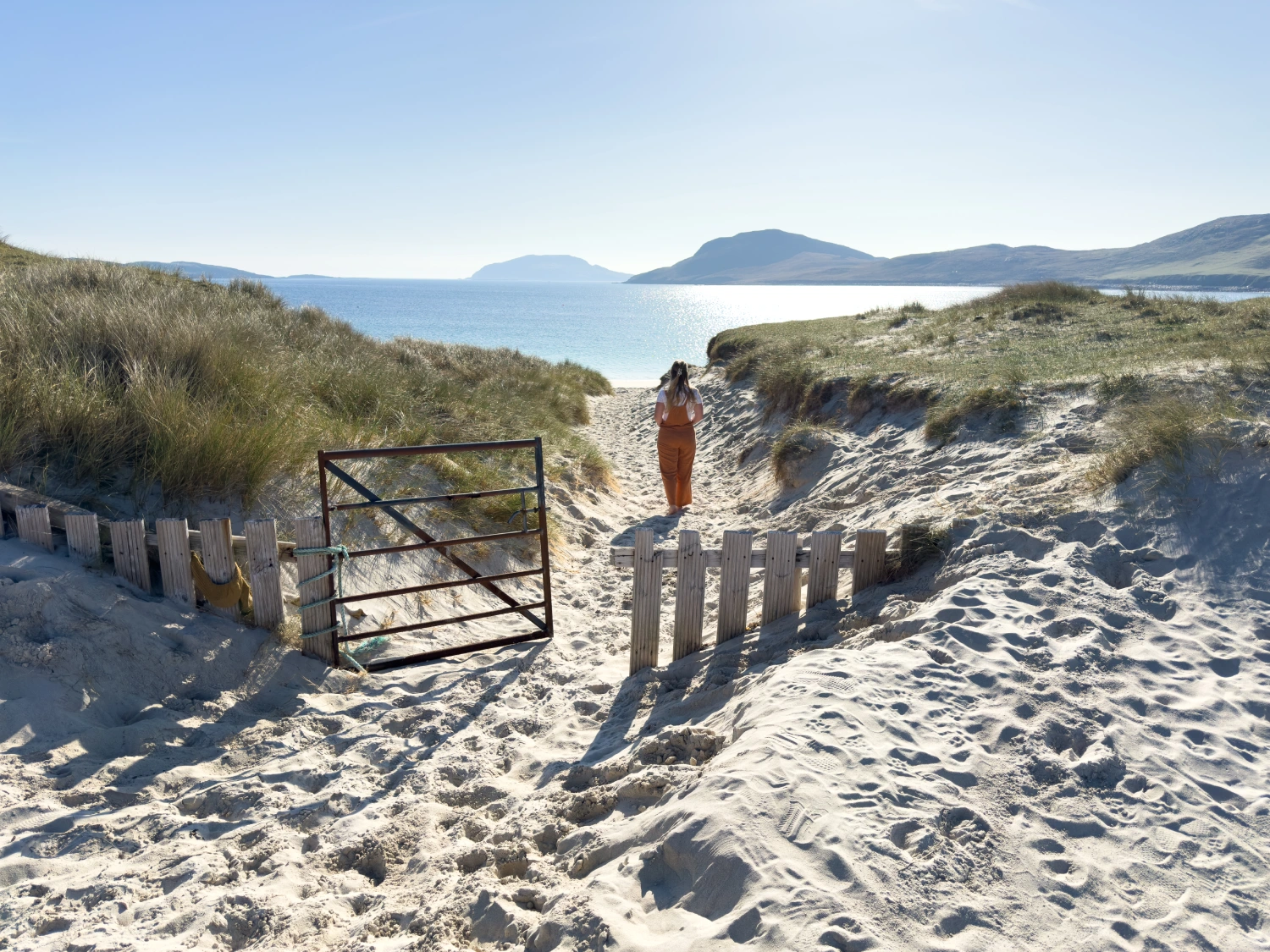
Island-Hopping in The Outer Hebrides: Your Essential Guide
The Isle of Skye and the Isle of Mull are accessible, unforgettable, and phenomenal island escapes. Still, for travellers who crave the real edge of the world – a place steeped in ancient Gaelic culture, defined by sweeping white-sand beaches, and connected by the roar of the Atlantic – there is only one course: island-hopping the Outer Hebrides.
This majestic, 130-mile-long archipelago, also known by its Gaelic name, Na h-Eileanan Siar, is Scotland’s final frontier. Stretching from the Isle of Lewis in the north to the tiny, jewel-like Isle of Vatersay in the south, these magical islands offer the ultimate immersion in Hebridean life. Unlike visiting a single island, the Outer Hebrides demands island-hopping – a logistical ballet made possible by a comprehensive ferry network and causeways that link these unique worlds.
If your idea of a perfect Scottish trip involves solitude, history, the purest blue waters you’ve ever seen, and the chance to hear Gaelic spoken daily, pack your waterproofs, book your ferries, and prepare to be utterly transformed.
Ready? Let’s go!
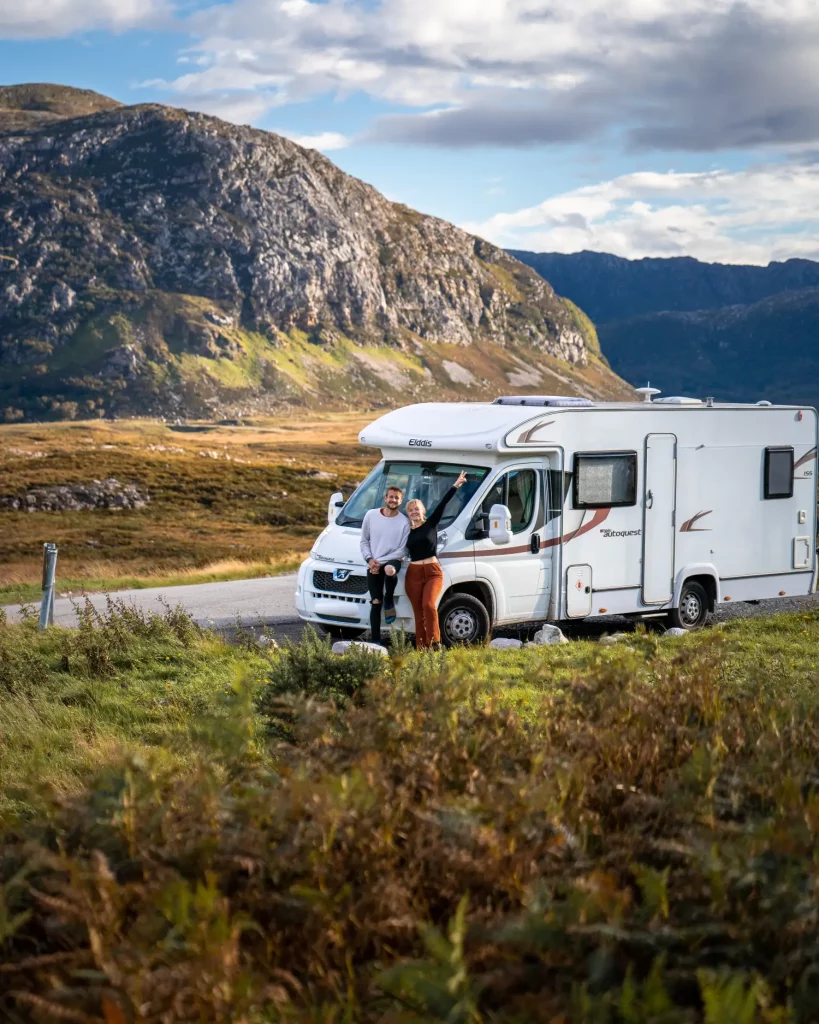
Table of Contents
Planning Your Trip
We use the below booking platforms to plan our trips. We hope you find them useful too!
The Islands of the Outer Hebrides
The Hebrides are often referred to as a single entity, but each region has a distinct identity, geology, and character. The trip generally flows from north to south (or vice versa), covering the major islands linked by causeways and ferries.
The largest isles include:
- The North: Lewis, Harris
- The Central Isles: North Uist, Benbecula, South Uist.
- The South: Barra, Vatersay.
The key to a successful Outer Hebridean adventure is the CalMac ferry network. Think of the islands as stepping stones, with ferries providing the essential links, often offering spectacularly scenic crossings.
The Hebridean Island-Hopping Planner
Undertaking this journey requires planning, but it’s entirely worth the effort!
- Ferries: Book Early. CalMac reservations, especially for cars, sell out months in advance for peak season. Book your entry (e.g., Ullapool to Stornoway) and all subsequent inter-island ferries (e.g., Leverburgh to Berneray) as a continuous ticket.
- Accommodation: Highly limited outside of Stornoway and Castlebay. Self-catering, B&Bs, and small hotels are the norm. Wild camping is possible (when adhering strictly to the Scottish Outdoor Access Code), but we can’t recommend the freedom of a Hebridean campervan enough!
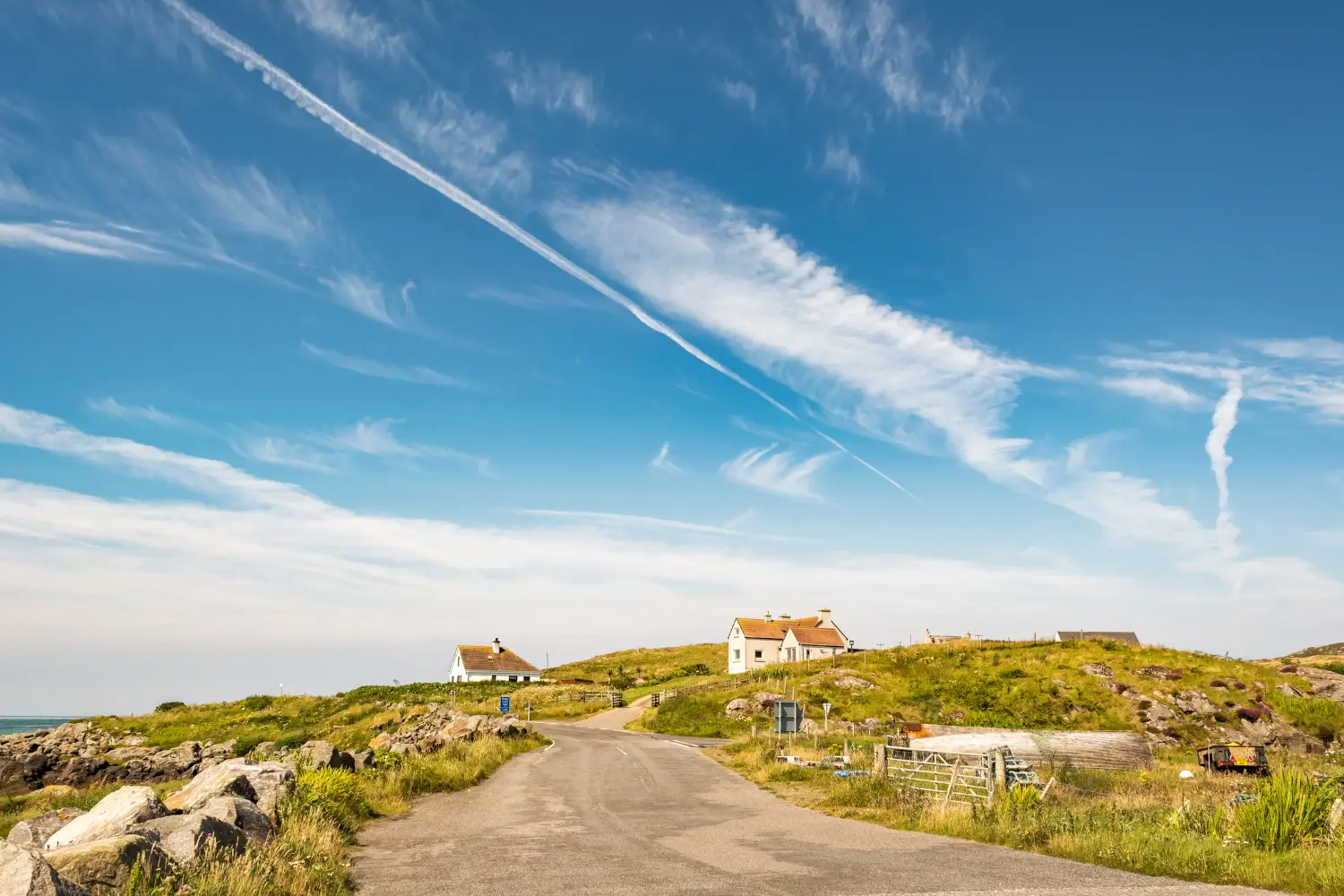
- Driving: Expect long stretches of single-track road, especially in Harris and the Uists. Use passing places courteously, and always pull over to let faster traffic pass. Go slow and enjoy the view!
- Weather: Expect four seasons in one day, even in summer! Pack layers, waterproofs, and a hat – the wind can be relentless.
Phase 1: Lewis and Harris (The Classic North)
Though often grouped, Lewis and Harris are two distinct entities separated by mountains, not water. You’ll arrive on Lewis at the capital, Stornoway, typically via ferry from Ullapool on the mainland.
Isle of Lewis: History & Tradition
Lewis is the low-lying, peat-covered, historically rich half of the north. It is the cultural and administrative heart of the Western Isles, fiercely holding onto its traditions.
- A Highlight – The Callanish Standing Stones (Calanais): Pre-dating Stonehenge, these megaliths stand in a cruciform pattern, offering a powerfully atmospheric connection to the ancient past. Visit at sunrise or sunset to truly appreciate their mystique.
- The Culture: Lewis is historically very conservative and maintains a strong tradition of Sabbath observance. Plan your Sunday travel and activities carefully, as many shops and petrol stations may be closed.
- The Appeal: Practical, resilient, and deeply historical.
Isle of Harris: Sand & Sky
Travel south from Lewis, and the landscape abruptly shifts. Harris is defined by two things: soaring mountains in the north (North Harris) and the blindingly white, turquoise-fringed beaches of the west coast (South Harris).
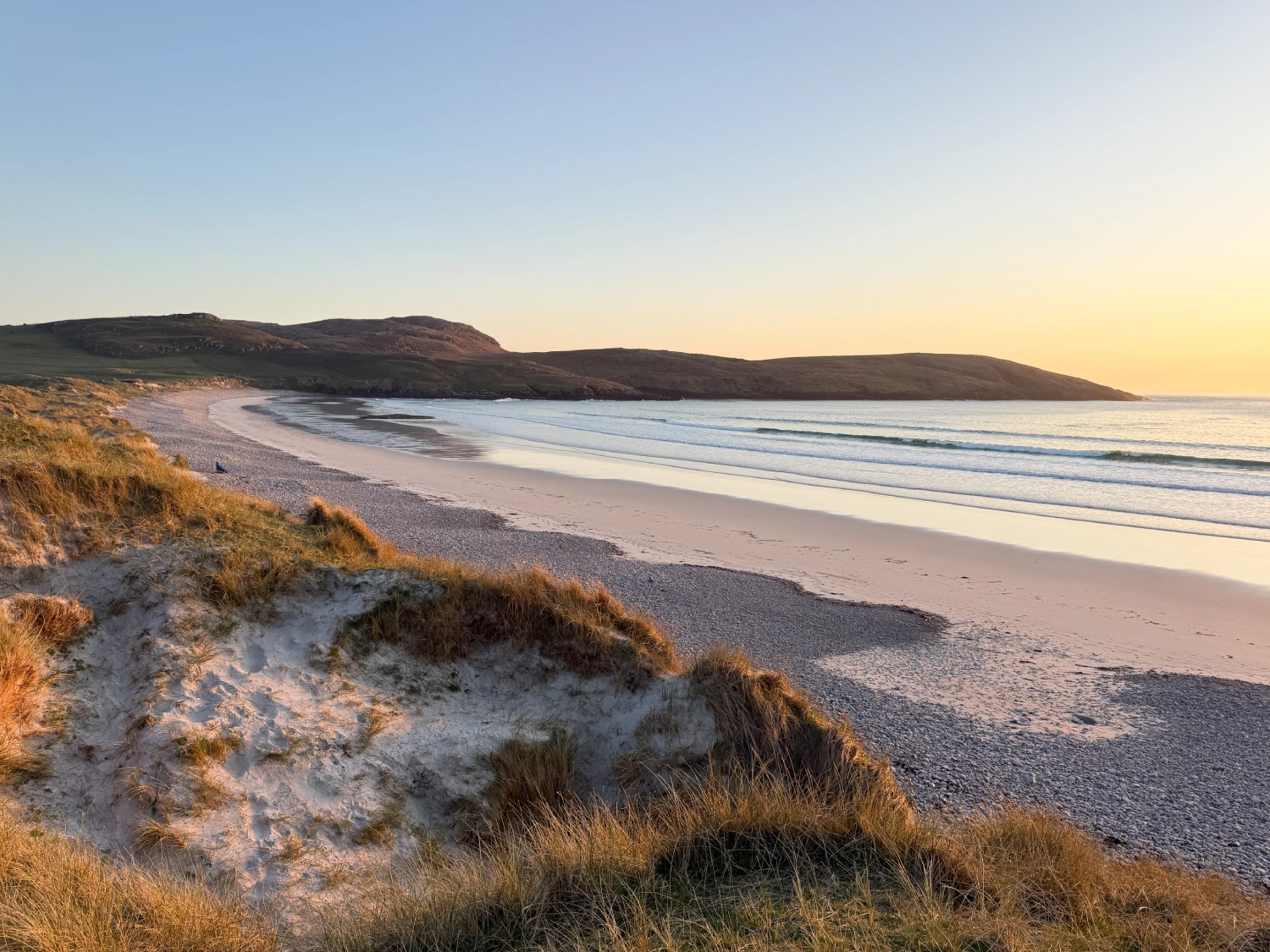
- A Highlight – Luskentyre Beach: Often cited as one of the best beaches in the world, the vast expanse of white shell sand and Caribbean-blue water is simply breathtaking. Expect to share it only with the occasional sheep or seabird!
- Local Craft: Harris is synonymous with the famous Harris Tweed, the iconic wool cloth still woven by hand in the islanders’ homes. Visiting the weaving sheds or the Harris Tweed Authority is a must.
- The Appeal: Luxurious, rugged, and overwhelmingly beautiful.
Who is the North Best For?
History buffs (Lewis), serious photographers, and beach-lovers who don’t mind cold water (Harris).
More From The Hebrides!


Phase 2: The Uists (Central and Timeless)
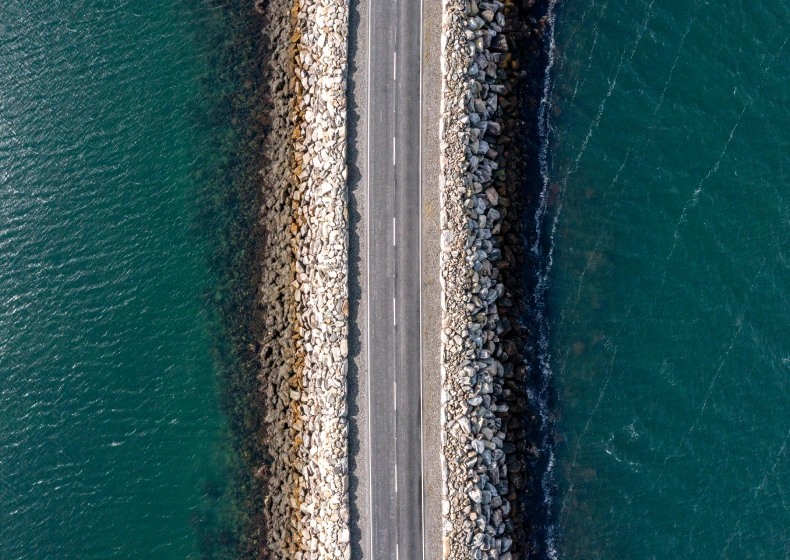
To continue south, you’ll take a ferry from Leverburgh (Harris) to Berneray, which is connected by a causeway to North Uist. This cluster of islands – North Uist, Benbecula, and South Uist – is linked mainly by causeways, making driving seamless!
The Defining Feature: The Machair
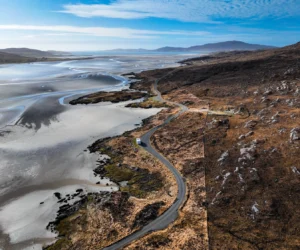
The central isles are low-lying and dominated by the machair: this unique, fertile coastal plain, formed by shell sand, sits between the peat moorland and the shore. In summer, these stretches explode into a riot of colour, carpeted with wildflowers, making it a haven for birds and insects!
- North Uist: Known for its countless lochs (lakes) and the incredible RSPB reserve at Balranald, perfect for spotting wading birds like corn crakes.
- Benbecula: The geographical and logistical centre, linking the two Uists. Less tourist-focused, but wildly charming!
- South Uist: Features the rugged Beinn Mhòr mountain range on its east and the vast, unbroken sweep of machair and beach on its west.
A Deep Dive into Culture
This area is one of the last strongholds of the Gaelic language. Place names, road signs, and conversations in local shops are frequently in Gaelic, providing a true sense of cultural immersion that feels increasingly rare in mainland Scotland.
Who are the Central Isles Best For?
Birdwatchers, cyclists (due to the flat terrain), travellers seeking timeless beaches, and those committed to engaging with traditional Gaelic culture.
In Need of a Trusty Hebridean Steed?
Phase 3: Barra & Vatersay (The Southern Finale)
After crossing from South Uist to Barra via another scenic ferry, you arrive at the culmination of the Hebridean road trip – a pair of small islands offering a concentrated dose of drama and charm.
Isle of Barra: The Reclusive Runway
Barra is a beautiful, hilly island – only about eight miles long – with a single main road circling its perimeter. Its most famous feature is also its airport: Traigh Mhòr.
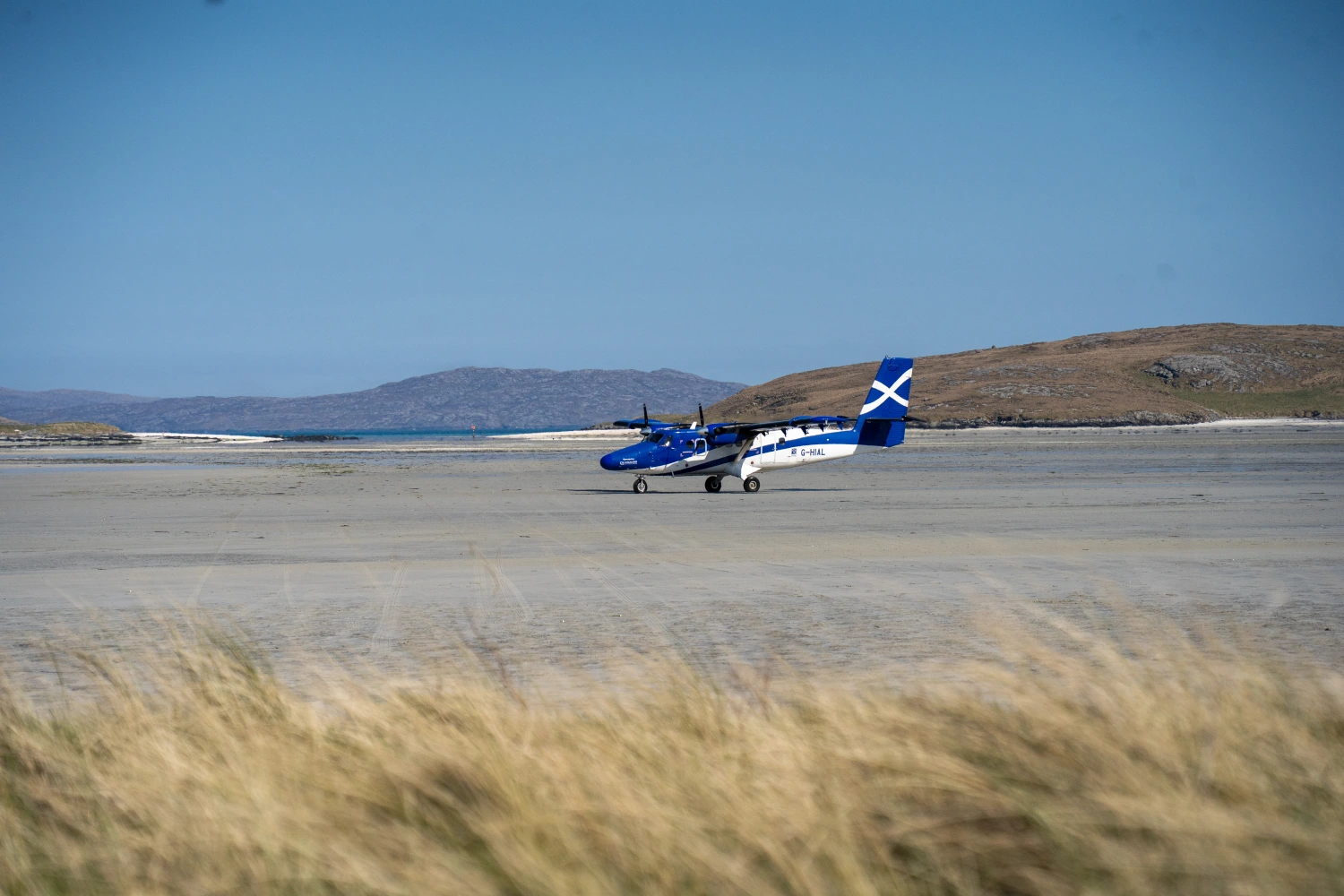
- A Highlight – Traigh Mhòr: The plane landing strip is a beach! Commercial flights from Glasgow land directly on the sand when the tide is out. Check the flight schedule and the tide times; standing near the landing strip is an unforgettable sight. When the tide is in, the beach reverts to being a public swimming spot.
- Local History – Kisimul Castle, a stunning medieval fortress, sits on a tiny islet in Barra’s central bay, only accessible by boat from the main village of Castlebay!
Isle of Vatersay: End of the Road
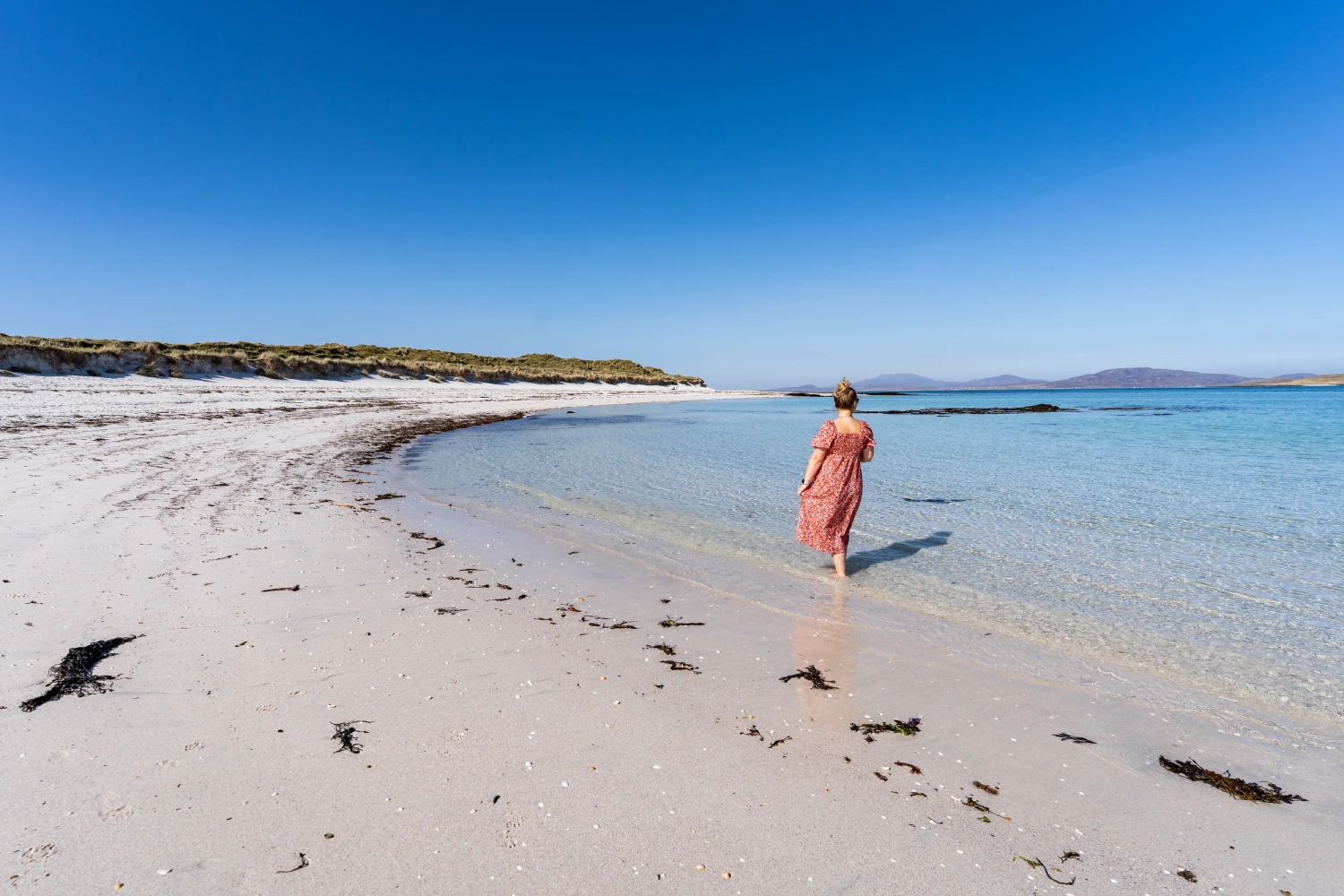
Connected to Barra by a short causeway, Vatersay is the southernmost inhabited island in the chain. It’s tiny, quiet, and boasts a spectacular double beach separated by a narrow strip of land – one facing east, one west. It’s a place to stop, breathe, and realise you can’t go any further west or south in the Hebrides.
Who is the South Best For?
Aviation enthusiasts, romantics, and anyone looking for a friendly, close-knit island experience where the journey feels truly complete!
Posts We Think You'll Love!
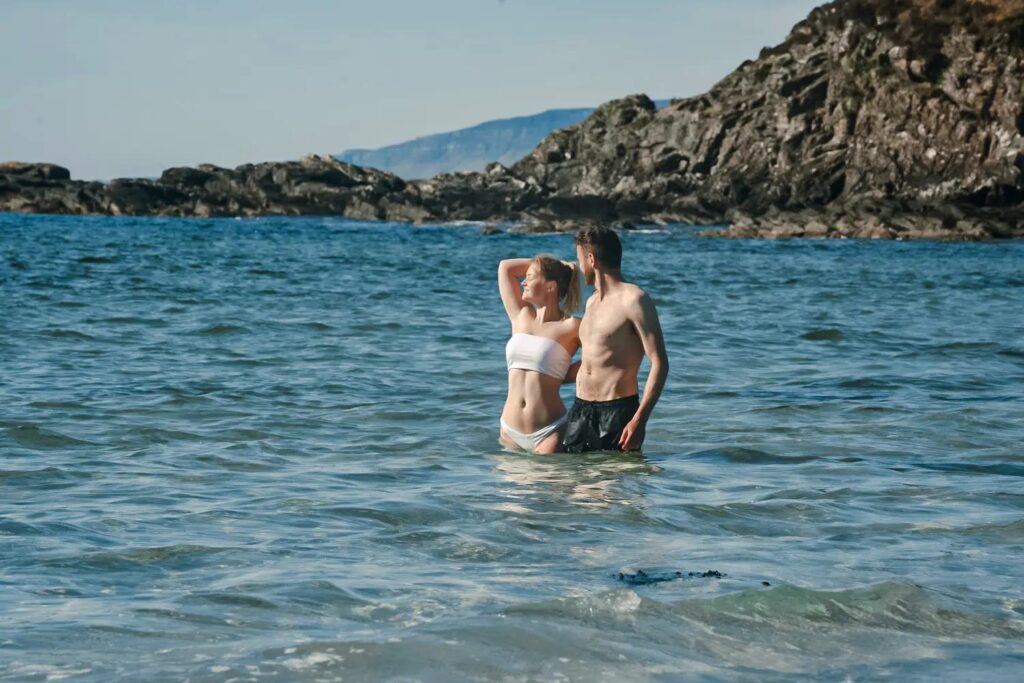
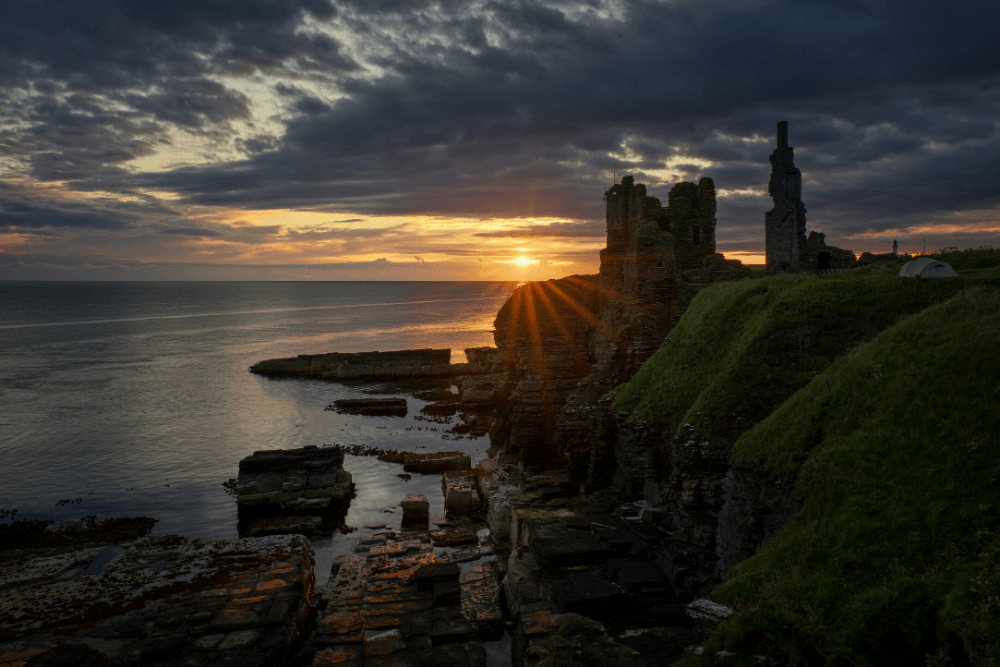
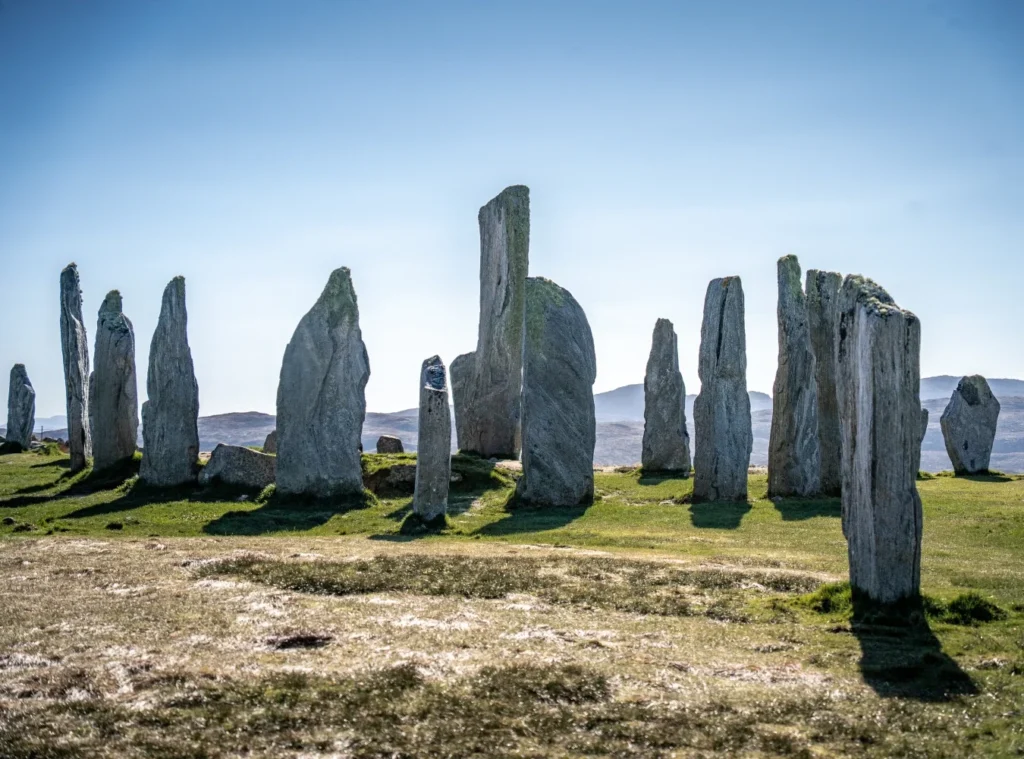
Island-Hopping: Touring the Outer Hebrides!
The Outer Hebrides is not a quick trip; it’s a commitment. But if Skye is where you go to see a dramatic, photogenic mountain, the Hebrides are where you go to witness an entire way of life enduring against the Atlantic elements.
If you seek rugged, raw beauty, blindingly white sands, deep quiet, and an intimate connection to Scotland’s ancient heart, then this island-hopping adventure is waiting for you at the edge of the world.
You won’t regret it!
Happy travels!
Useful Links
- Visit Outer Hebrides – for local info!
- CalMac Ferries – book well in advance!
- Met Office – check the weather!
- Traffic Scotland – for route changes and updates.
- WalkHighlands – the best hiking trails and tips.
- Scottish Outdoor Access Code (SOAC) – be informed!
- Highlands2Hammocks (That’s us!) – for our online shop, other blogs, and brand-new campervan rental service.