The Isle of Skye: How Many Days Do You Need?
We know that the Isle of Skye is often the beating heart of any Scottish road trip: it’s a land of mythical peaks, shimmering lochs, and geological wonders that defy explanation. The moment you leave the Scottish Highlands and cross the Skye Bridge, you’re not just in a new place – you’re in a new world.
Planning the perfect itinerary – one that avoids the worst crowds while allowing you enough time actually to hike the incredible landscapes – is crucial. The single most significant factor in your planning? Time.
So, how many days do you genuinely need to conquer the iconic landmarks, bag a few famous views, and still find a quiet moment to soak it all in? The answer, as always in Scotland, depends on your pace, passion for hiking, and most importantly, your mode of transport.
Let’s break down the essential Skye itineraries, from a whirlwind weekend dash to a deep-dive week-long adventure, and see how your vehicle/accommodation choice – Car, Campervan, or even the ultra-lightweight approach to wild camping – influences the clock.
Ready? Let’s go.

Table of Contents
Planning Your Trip
We use the below booking platforms to plan our trips. We hope you find them useful too!
The Skye Essentials: What Are You Travelling For?
Before setting your timeline, ask yourself what defines a successful Skye trip for you.
Goal/Objective | Time Requirement | Essential Stops |
|---|---|---|
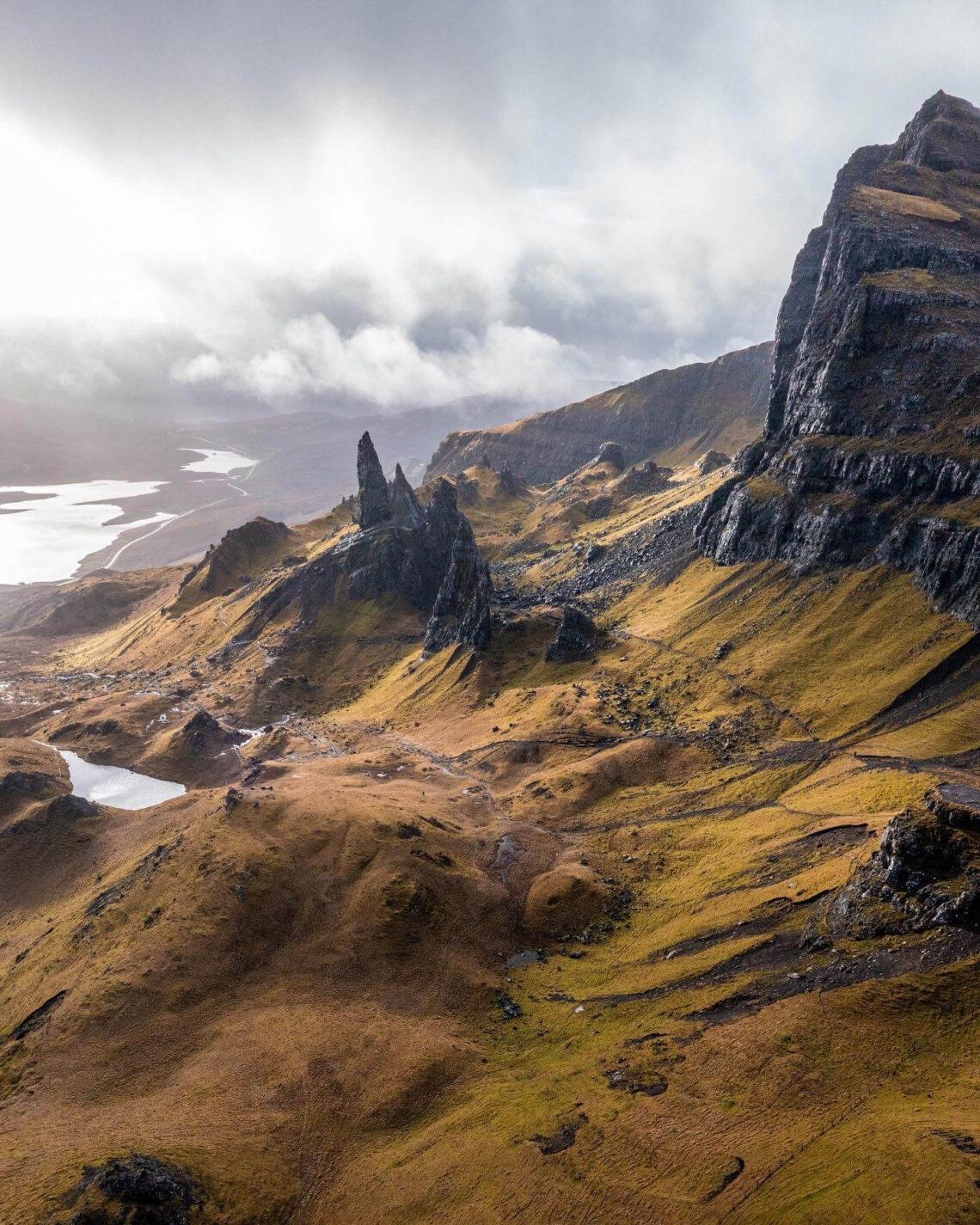
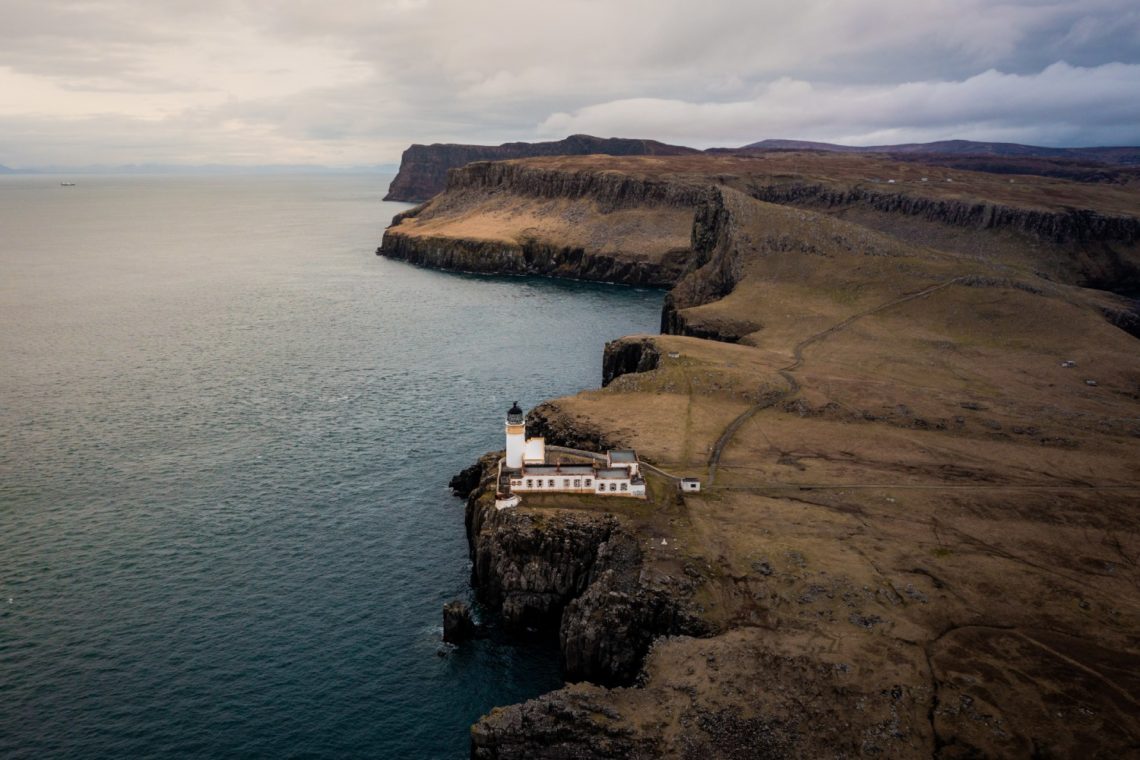
The “Big 5” Photo Op | 1-2 Days | Old Man of Storr, Quiraing, Fairy Pools, Neist Point, Kilt Rock |
Iconic Hikes & Trails | 3-4 Days | Storr circuit, Quiraing circuit, Fairy Glen, Cuillin viewing points |
Deep Dive & Slow Travel | 5-7 Days | All of the above plus Talisker Distillery, Dunvegan Castle, Museum of Island Life, and exploring the lesser-visited Waternish or Sleat peninsulas |
Scenario 1: The Express Dash (1-2 Days)
This trip is best suited for those already on a tight schedule, as it combines Skye with a West Coast trip to Fort William or the North Coast 500. It requires a laser focus, minimal hiking, and an early start!
Transport Recommendation: Car & Pre-Booked Stays
Why the Car: A car is the most efficient choice for this lightning-fast itinerary. You can cover large distances quickly and – crucially – park faster at the major spots. Trying to navigate a campervan into the jam-packed main parking areas (such as the Storr or Fairy Pools) during peak hours will waste precious time.
The Itinerary Focus
You’ll be following the main tourist corridor from Portree to Uig.
- Day 1: Cross the bridge, drive north to Portree. Hit the Old Man of Storr early (before 8 AM) for photos only (skip the 2-hour hike if you’re pressed for time). Continue to the Quiraing (viewpoint only). Overnight in Portree or slightly north (Book ahead!).
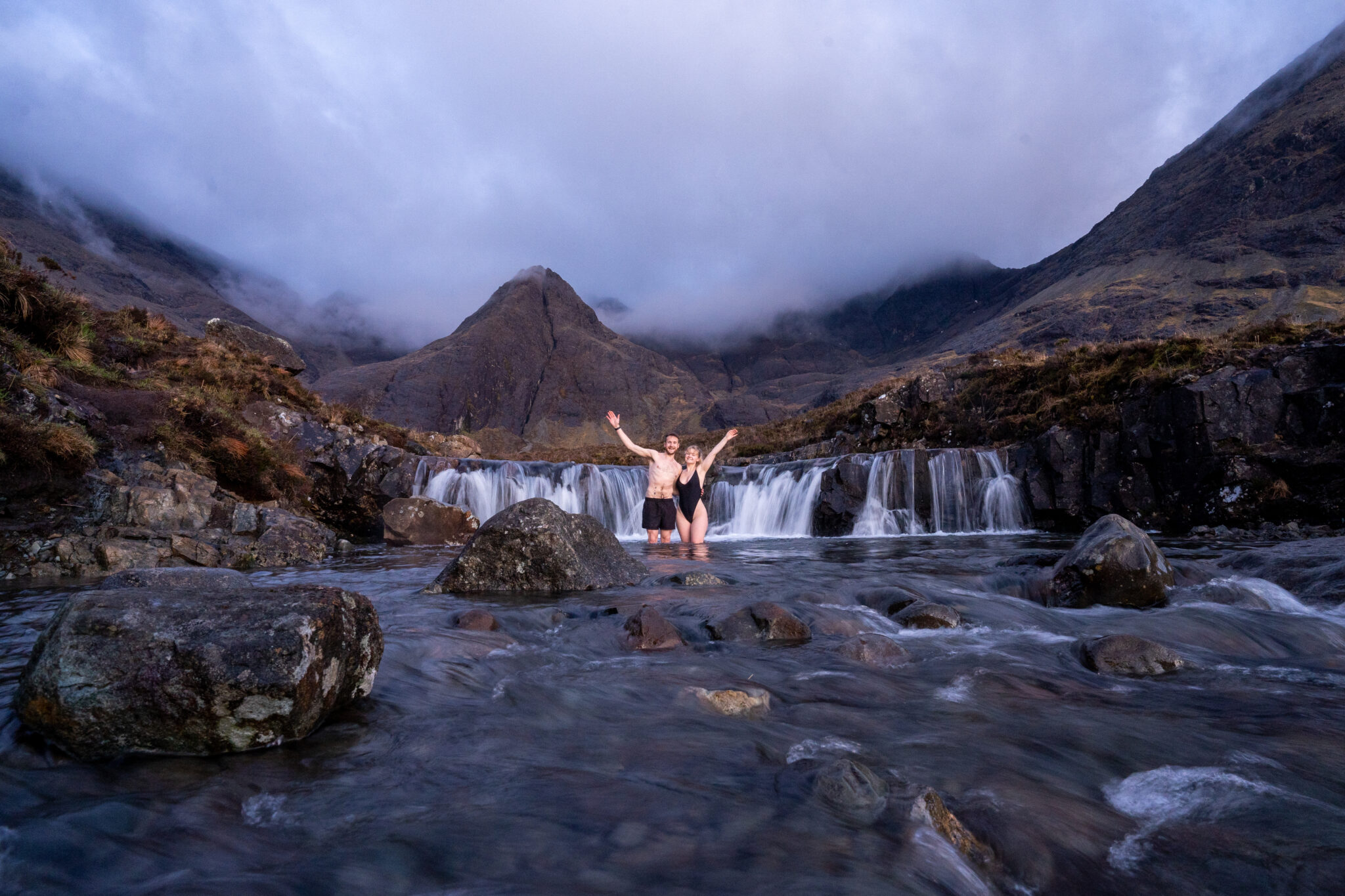
- Day 2: Drive to the west side. Visit the Fairy Pools (quick walk-in/walk-out) and then head to Neist Point Lighthouse for sunset photos before leaving the island!
Verdict
This is achievable, but it can be exhausting. You’ll see the sights, but you won’t experience the magic.
More From Skye!

Scenario 2: The Core Experience (3 Days)
This is the sweet spot for many travellers and the minimum time we recommend to truly appreciate the landscape. Three days allow you to dedicate a full half-day or more to two significant hikes and to see all the main highlights.
Transport Recommendation: Car or Small Campervan (Under 6m)
Why Transport Matters: A small campervan gives you the freedom to stay slightly off the main routes, dodging the accommodation squeeze. However, you will still need to plan your activities around the parking limitations. A car is excellent here, provided your accommodation is a fixed base (e.g., a cottage or hotel in Portree or Broadford).
The Itinerary Focus
- Day 1 (The Trotternish Ridge): Dedicate the whole day to hiking. Start with a proper 2-3 hour hike up the Storr. Move to the Quiraing (allow 3-4 hours for the whole loop trail) in the late afternoon for stunning light.
- Day 2 (Sand & Surf): Head to Glenbrittle for the Fairy Pools and potentially a visit to the gorgeous beach there. Drive across to Neist Point for sunset.
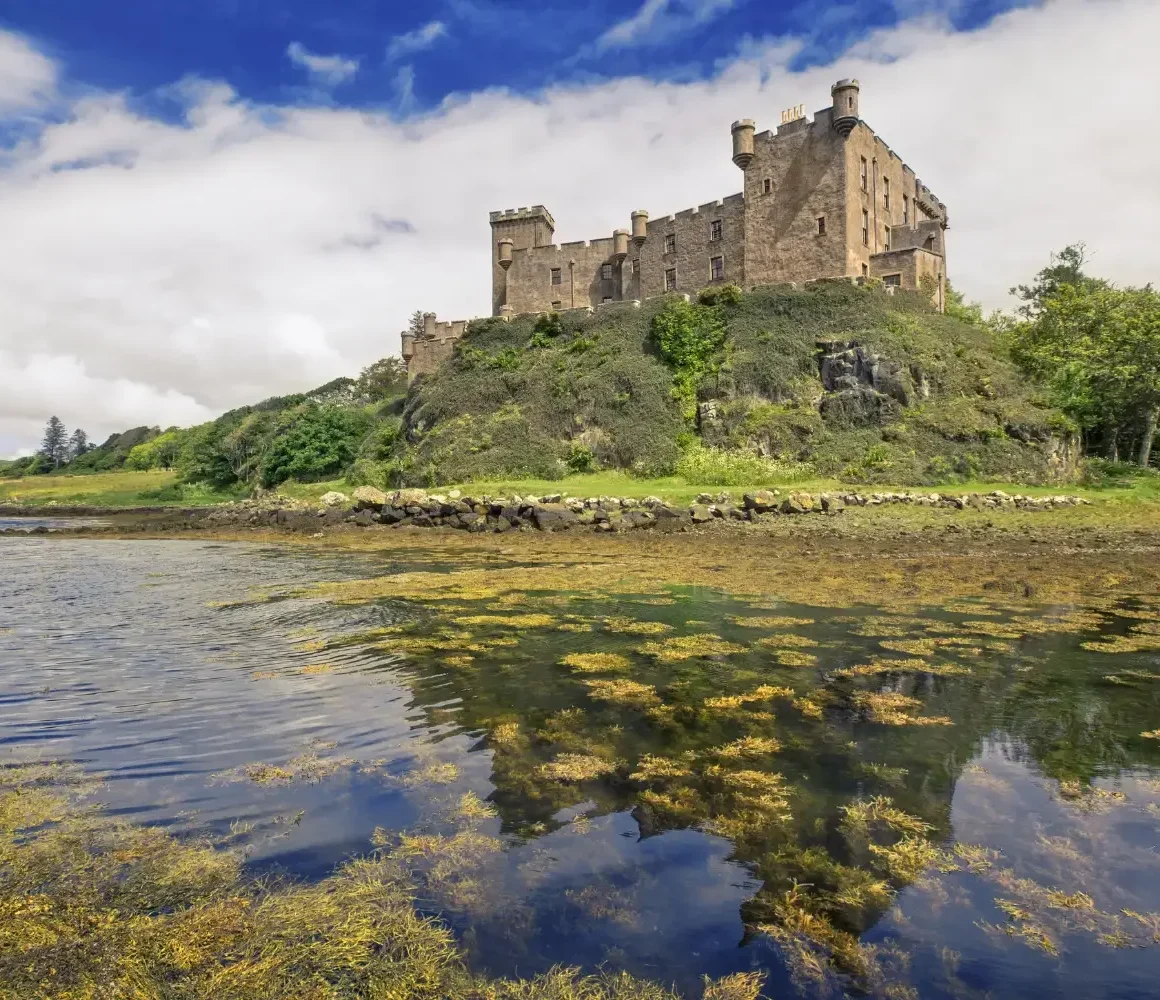
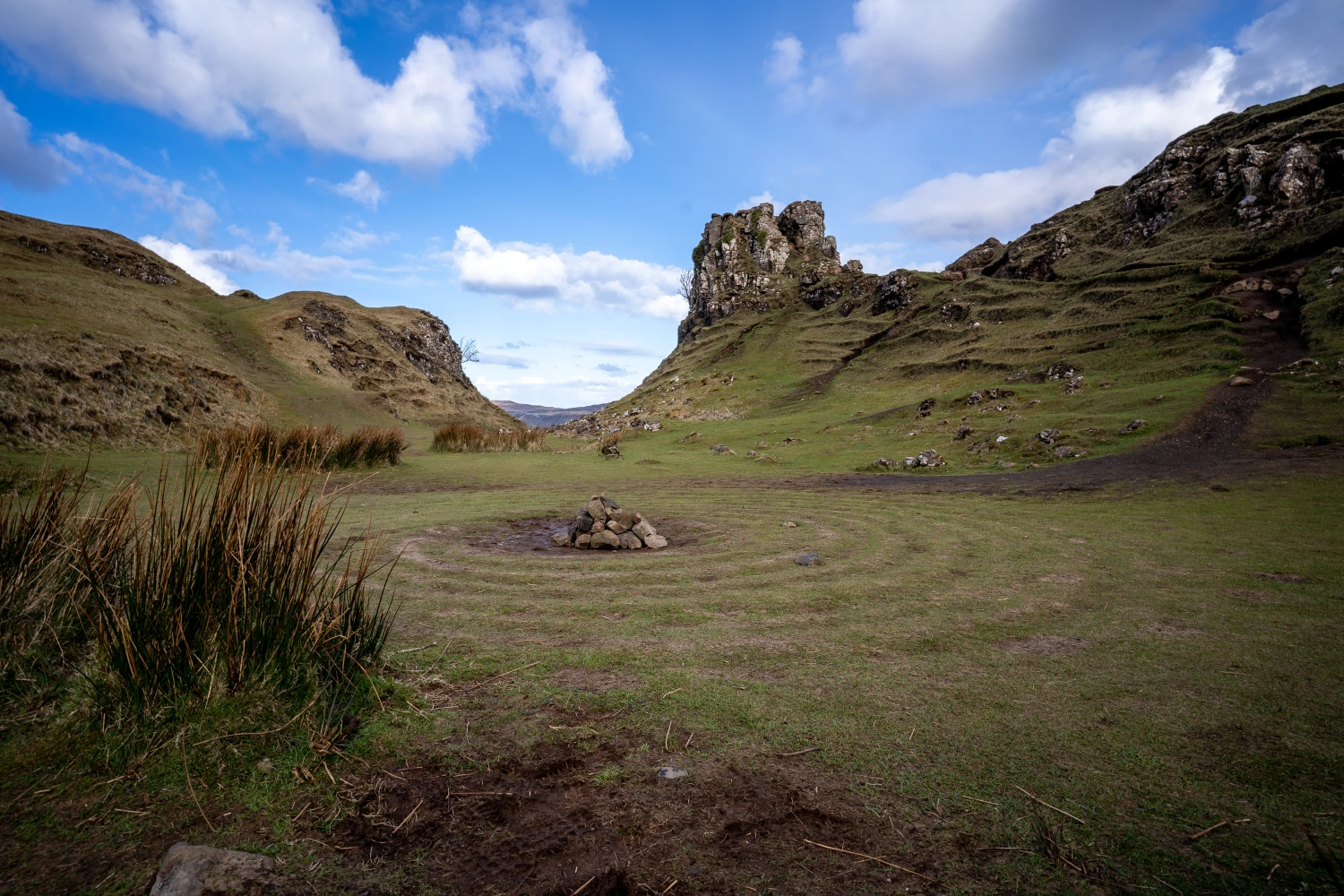
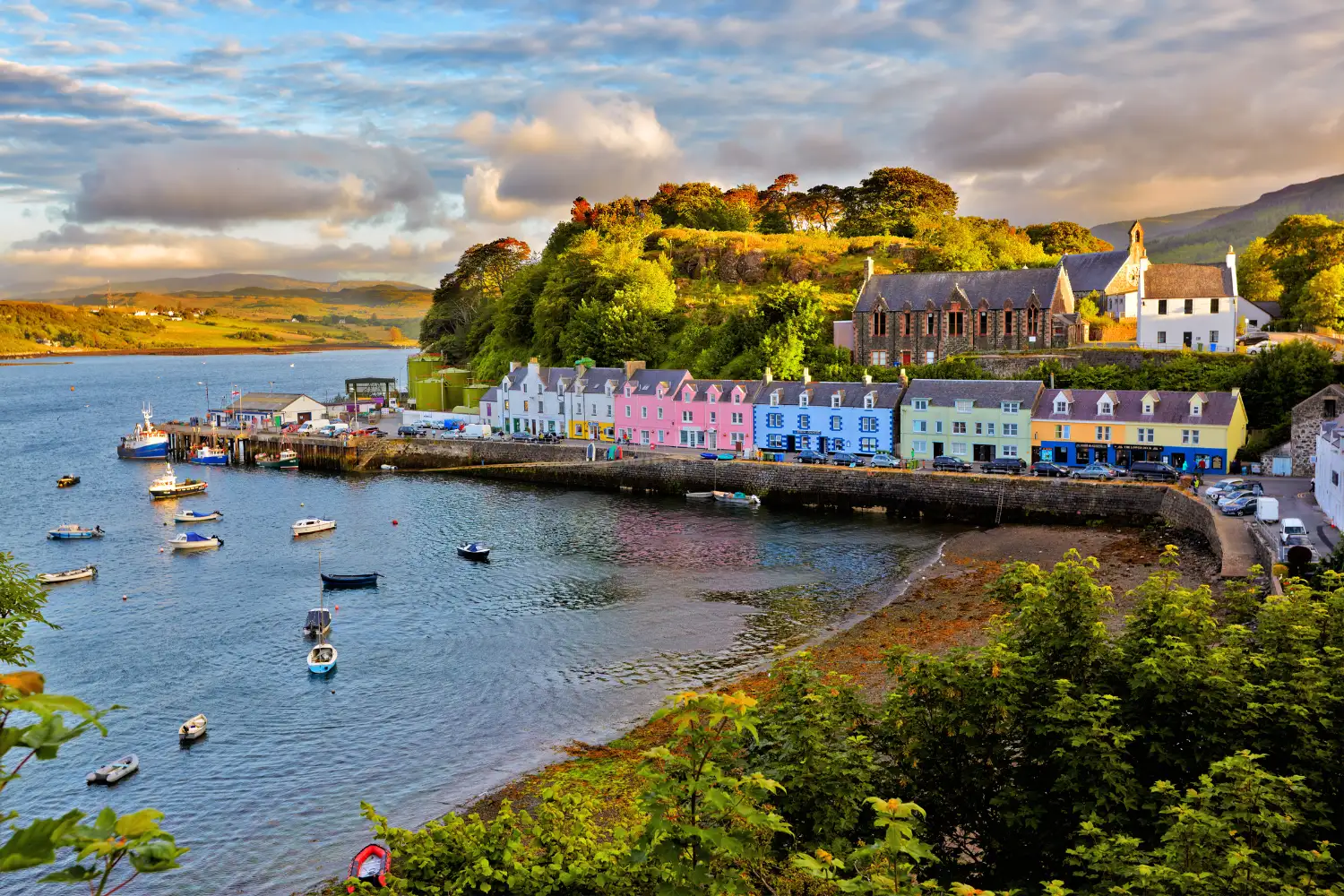
- Day 3 (History/Culture): Explore Dunvegan Castle, the Fairy Glen (quick, magical stop), and spend some time enjoying the colourful harbour of Portree before heading off-island or south to the less-crowded Sleat Peninsula.
Verdict
This is a satisfying trip – not only will you bag the iconic views and take on some famous hikes, but you’ll also get a taste of the local legends.
In Need of a Hebridean Steed?
Scenario 3: The Deep Dive (5-7 Days)
This is the true Highlander’s pace. With a whole week, you move from sightseer to explorer! You can wait out the rain, tackle a proper Cuillin mountain walk, and discover the hidden corners of the island that most tourists miss entirely.
Transport Recommendation: Campervan or Car & Tent/Hostels
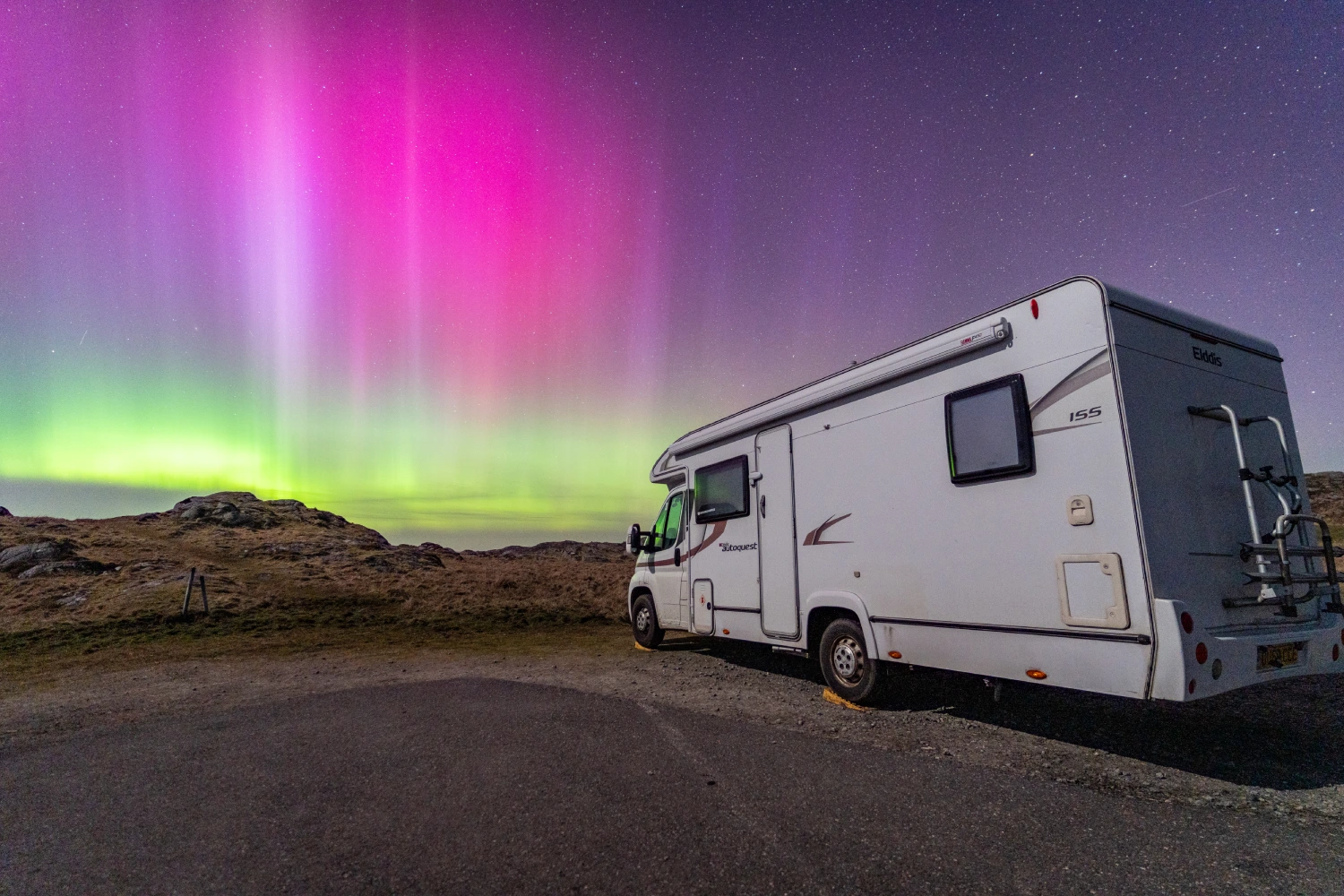
Why the Campervan Shines: With 5+ days, the campervan’s (or motorhome’s) self-sufficiency becomes its greatest asset. You can chase the weather – if the rain hits the Trotternish, you can pivot south to Elgol or over to Waternish without being slowed or diverted by check-ins. You also save significant money on food and lodging – more budget for activities!
The Itinerary Focus
- Days 1-3 (Hiking & Nature): Follow the “Core Experience” (Scenario 2) itinerary, but with less rushing and more time for longer walks (The Trotternish Peninsula is a haven for hikers). Add a visit to Kilt Rock and Mealt Falls.
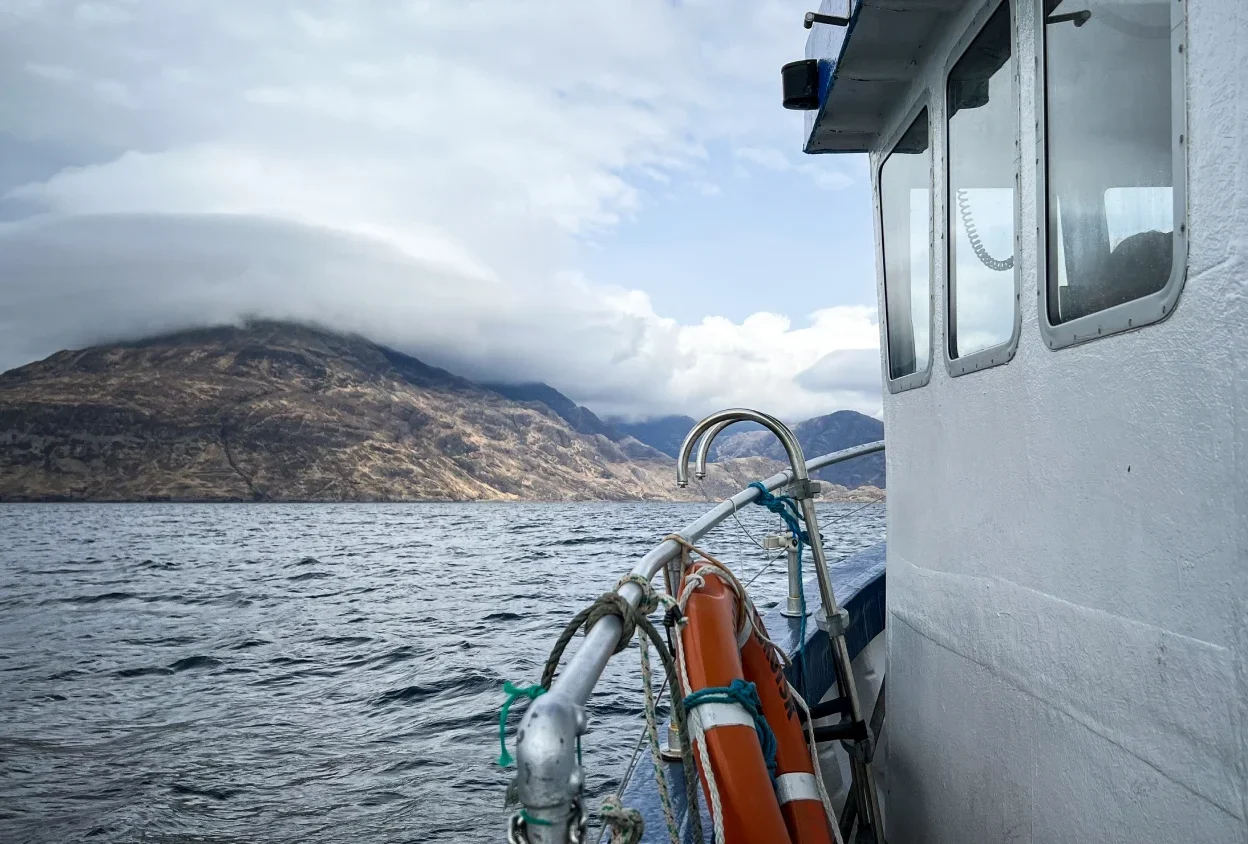
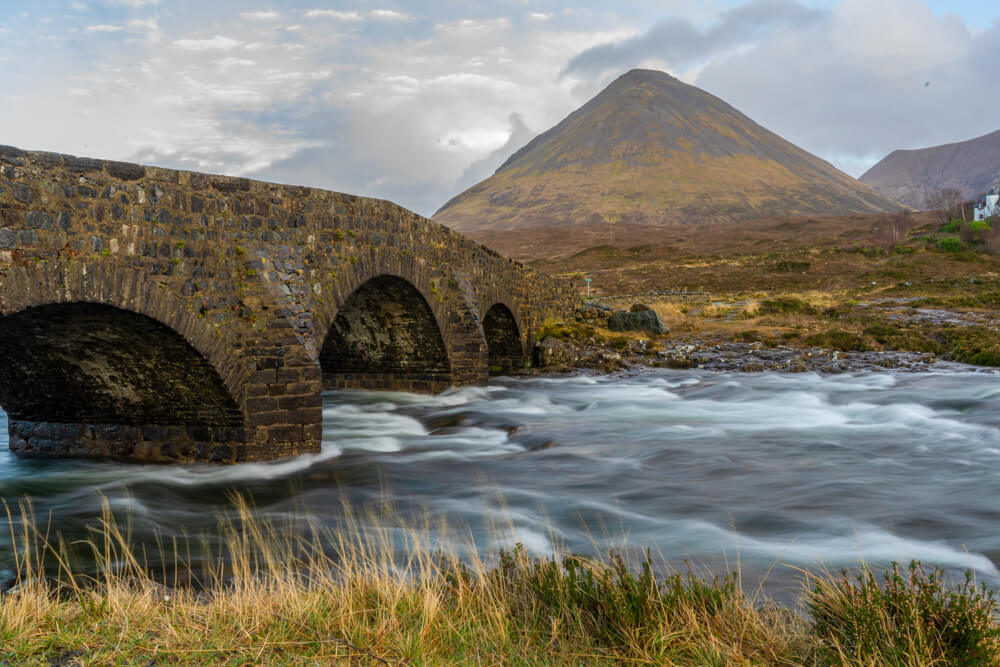
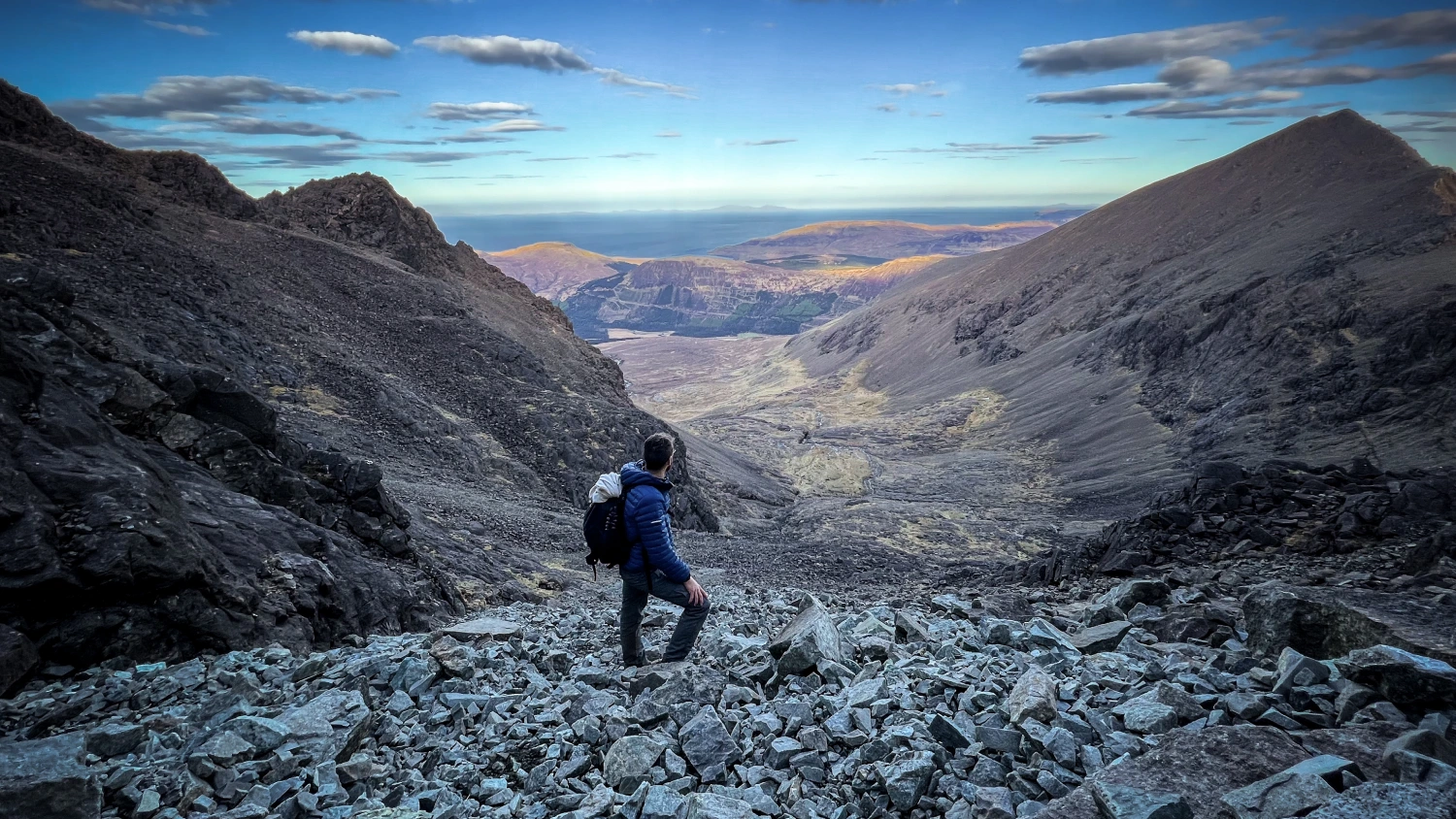
- Day 4 (The Mighty Cuillins): Dedicate a day to the imposing Black Cuillins. Drive to Sligachan for epic photos of the mountains, or take a boat trip from Elgol to Loch Coruisk for the most dramatic views. Alternatively, take a lower-level hike, such as the walk to Camasunary Bay.
- Day 5 (Culture & Whisky): Visit the Museum of Island Life near Uig. Stop at the Talisker Distillery in Carbost for a tour and tasting. Enjoy a relaxing evening.
- Days 6-7 (The Forgotten Peninsulas): Explore the beautiful, quiet Waternish Peninsula (home to the Stein Inn and lovely coastal walks) and the green, wooded Sleat Peninsula in the south.
Verdict
The definitive Skye experience. You’ll finish feeling refreshed, not rushed, and with a genuine appreciation for the island’s scale and variety. We highly recommend a lengthier stay!
The Isle of Skye: Transport Versus Timeframe
The most significant logistical factor on Skye is parking. Unlike the expansive lands of the Outer Hebrides, Skye’s infrastructure groans under the weight of popularity.
1. The Car (The Sprinter)
- Pros for Timing: Maximum speed and agility. Quick to park in tight spots. You don’t lose time managing utilities (water, waste).
- Cons for Timing: Zero spontaneity. You lose time checking in and out of accommodation daily. You cannot easily wait out the weather, as your schedule is fixed.
- Summary: Best for short or itinerary-heavy trips (e.g. NC500 and Skye combined) where speed is essential.
2. The Campervan (The Mobile Haven)
- Pros for Timing: Maximum flexibility. You gain hours in the morning by waking up at your destination. You can easily pivot plans due to weather, saving a wasted day. Excellent for longer trips (7+ days).
- Cons for Timing: Parking is a significant time drain. Finding space at Storr, Quiraing, or the Fairy Pools during peak 10 am–3 pm hours can be frustratingly slow. Driving requires more caution and time on narrow roads.
- Summary: Best for longer trips. The freedom offsets the challenges of driving and parking.
3. The Tent/Backpacking (The Lightweight)
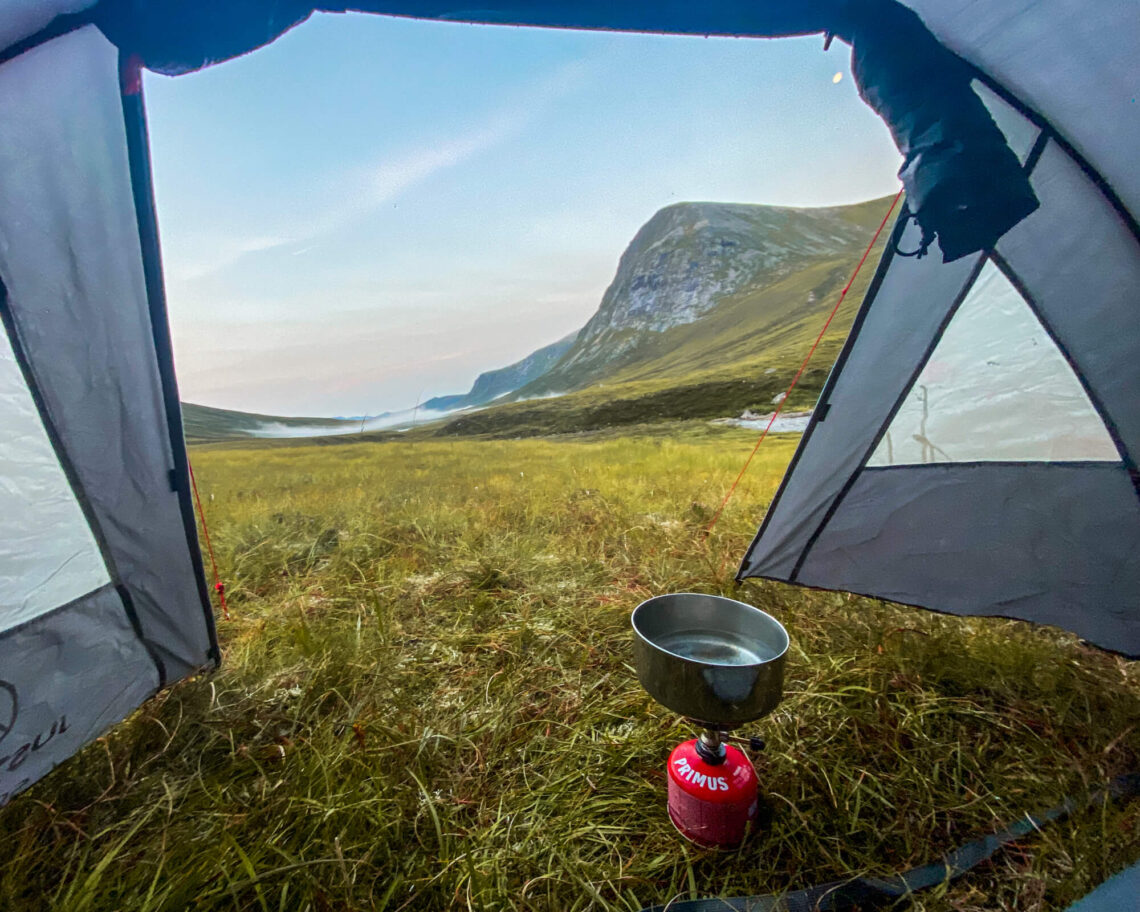
- Pros for Timing: Absolute freedom and minimal cost. Best for accessing the remotest parts of the Cuillins. You can pitch in stunning locations often inaccessible to vehicles.
- Cons for Timing: Requires significant daily setup and teardown time. Weather dependency is high; a week of Skye rain will be memorable for all the wrong reasons!
- Summary: Best for short trips with experienced hikers focusing primarily on the Cuillins and interior trails, but dependence on public transport may hamper progress when relocating.
Posts We Think You'll Love!
Essential Skye Time-Saving Tips
- Start Early (The Golden Rule): To avoid the 10 am parking apocalypse, arrive at the Old Man of Storr or the Quiraing car park by 7:30 AM (or earlier!). This saves you 30-60 minutes of waiting and delivers a much better experience.
- Book Ferries, Not Just the Bridge: If you’re coming from the Outer Hebrides (via the Tarbert-Uig ferry) or heading to the mainland via the Mallaig-Armadale ferry, book these routes months in advance.
- Use Side Roads: The main A87 is often congested. Use the quieter B-roads (like the road from Broadford to Elgol) to travel and find more tranquil spots.
- Embrace the Weather: Don’t wait for clear skies to hike; you might be waiting a long time! A misty, atmospheric hike on the Quiraing is authentically Hebridean and often less crowded. Pack waterproofs and go!
Skye: Savour Every Second!
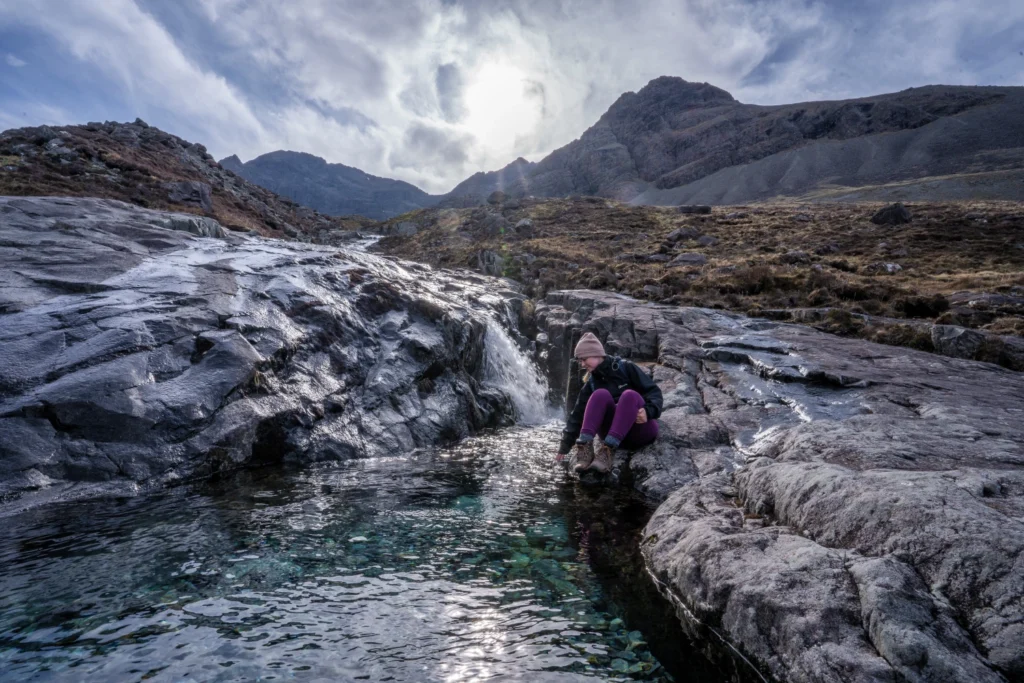
The Isle of Skye demands patience, but it rewards you with views that feel lifted from fantasy. Whether you blitz through in a car or settle in for a week in your home-on-wheels, give yourself enough time to stop the clock entirely, listen to the wind, and let the sheer scale of those rugged mountains sink in.
We hope that this travel guide serves you well on your next escape north! For us, any decent Skye itinerary should be balanced with not only iconic sights and locations, but with space to improvise!
It’s the wee spontaneous detours, local recommendations and spur-of-the-moment decisions that make a dreamy getaway the trip of a lifetime.
Happy travels!
Useful Links
- Isle of Skye – for local info!
- CalMac Ferries – book well in advance!
- Met Office – check the weather!
- Traffic Scotland – for route changes and updates.
- WalkHighlands – the best hiking trails and tips.
- Scottish Outdoor Access Code (SOAC) – be informed!
- Highlands2Hammocks (That’s us!) – for our online shop, other blogs, and brand-new campervan rental service.